
Altcoin Playbook 2026: On-Chain Analysis for Wallets, LP, and Holders
Master the fundamentals of on-chain analysis in 2026. Learn how to evaluate wallet concentrations, liquidity positions, and whale movements without the hype.

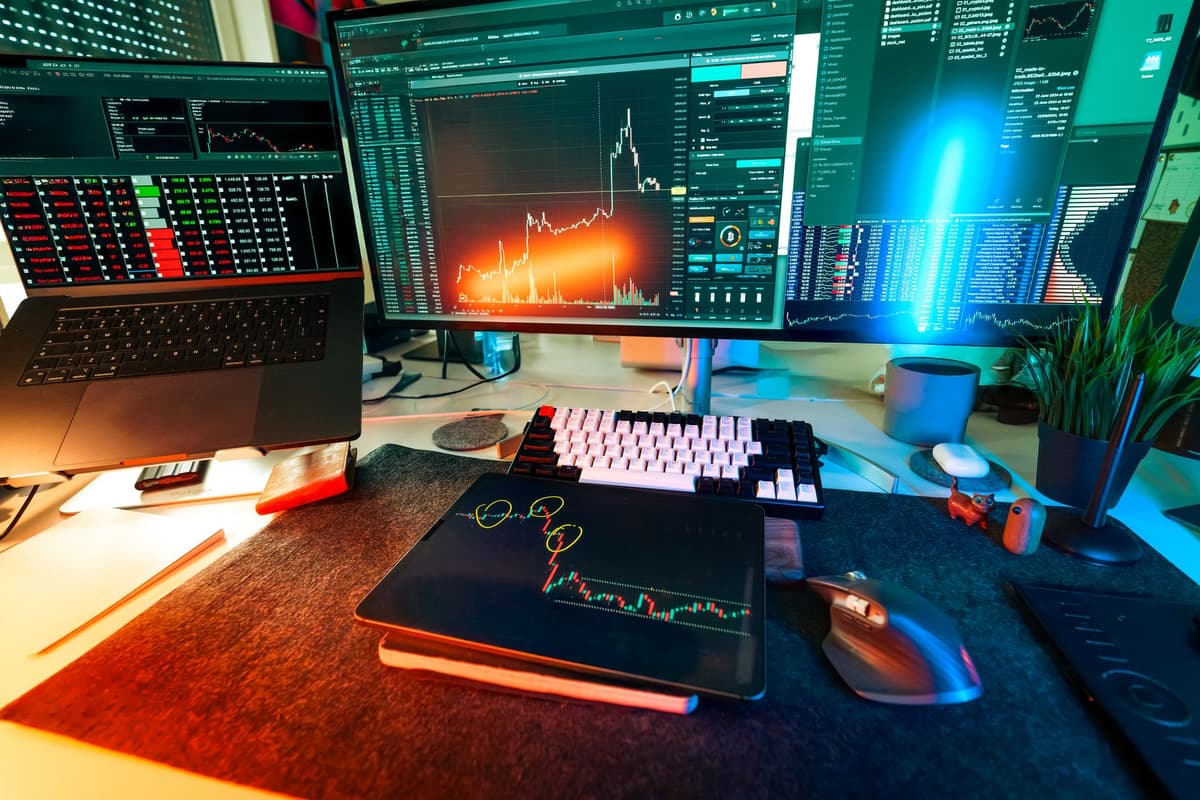
On-chain analysis in 2026 relies on cross-referencing holder distribution, liquidity pool stability, and whale activity through public explorers. By monitoring top wallet clusters and identifying concentration risks, market participants can assess the underlying structure of a token beyond simple price action.
What this is NOT: This content is not financial advice, nor is it a buy signal for any specific asset.
The Anatomy of On-Chain Analysis
In the current market environment, the transparency of blockchains like Solana allows any participant to verify the health of a project. Instead of relying on social sentiment, professionals look at the raw data points that define how a token is distributed and maintained. Understanding these mechanics is the baseline for any sober approach to navigating the volatility of 2026.
1. Evaluating Holder Concentration
A token’s distribution is the first indicator of its structural integrity. If a small group of wallets controls a significant percentage of the supply, the project is inherently fragile. A common rule of thumb is to look for decentralization; if the top 10 wallets hold more than 60% of the supply, the project lacks meaningful distribution. This concentration creates a "coordinated selling" risk, where a single insider or large holder can trigger a massive price shift regardless of the broader market trend.
How to check concentration:
- Use a blockchain explorer for the specific network to view the token holder list.
- Identify the top 10 wallets and calculate their cumulative percentage of the total supply.
- Filter out known exchange or protocol addresses to see the true "private" holdings.
- Observe if the top wallets are actively dumping or if they are holding long-term.
2. Monitoring Liquidity Pool (LP) Health
Liquidity is the backbone of any tradable asset. Without deep liquidity, even small buy or sell orders can cause extreme slippage. In 2026, tools allow for detailed monitoring of LP positions. A healthy token typically shows a balanced, locked, or burned liquidity pool, ensuring that participants can enter and exit positions without excessive price impact. When liquidity is thin or controlled by a single entity, the risk of a "rug" or sudden price collapse increases significantly.
Steps to audit liquidity:
- Navigate to the decentralized exchange interface where the token is paired.
- Verify the total value locked (TVL) in the pool.
- Check if the LP tokens are locked in a time-bound smart contract.
- Analyze the ratio of the token against a stable asset to determine the volatility profile.
3. Tracking Whale Wallets
Whales are not magic indicators, but their movements provide data on institutional or high-net-worth sentiment. On Solana, every transaction is public. By monitoring "smart money" wallets—those with a history of profitable trades—you can observe how large capital is repositioning. Note that whale tracking is about identifying trends, not mimicking trades blindly. For example, large-scale accumulation often signals confidence, while rapid distribution across multiple sub-wallets may suggest an impending exit.
The tracking process:
- Identify active, high-volume wallets using on-chain scanners.
- Tag these wallets in a tracking tool to receive alerts on large transactions.
- Observe the flow: are they moving tokens to centralized exchanges (selling) or cold storage (holding)?
- Cross-reference their buying patterns with known accumulation trends seen on platforms like Chainlink or other data aggregators.
FAQ
What does a high concentration of supply in the top 10 wallets actually mean for the average participant?
It means the token is susceptible to manipulation. If 60% of the supply is in 10 hands, those individuals have the power to coordinate price movements or exit positions simultaneously, which often leaves retail participants holding tokens with no remaining liquidity.
Is it possible to automate the tracking of DeFi positions and LP tokens?
Yes, modern portfolio dashboards allow you to aggregate on-chain wallets, DeFi positions, and staking rewards into a single view. While these tools are powerful, they often require manual configuration for specific chains and may not support every emerging protocol, so verify the data across multiple explorers.
Related posts in On-Chain & Whale Tracking
- On-Chain & Whale Tracking
Decoding Bonding Curve Metrics: A 2026 Guide to On-Chain Memecoin Analysis
Master the art of reading bonding curve metrics on Solana. Learn to identify whale accumulation, liquidity health, and migration readiness before price moves.
Memelogs
- On-Chain & Whale Tracking
Decoding Bonding Curve Metrics: A 2026 Guide to Solana Memecoin Analysis
Master the art of reading bonding curve metrics before a memecoin moves. Learn how to track whale activity, liquidity shifts, and migration risks on Solana.
Memelogs
- On-Chain & Whale Tracking
On-Chain Red Flags: How to Spot Solana Rugpulls in 2026
Learn to identify common Solana rugpull patterns in 2026. Master on-chain checks for liquidity, wallet concentration, and contract risks before you participate.
Memelogs