
Tracking Smart Money Wallets on Solana: Architectural Insights for 2026
Learn how to identify and monitor high-conviction Solana whale wallets using on-chain data to filter noise and track movement within the meme ecosystem.

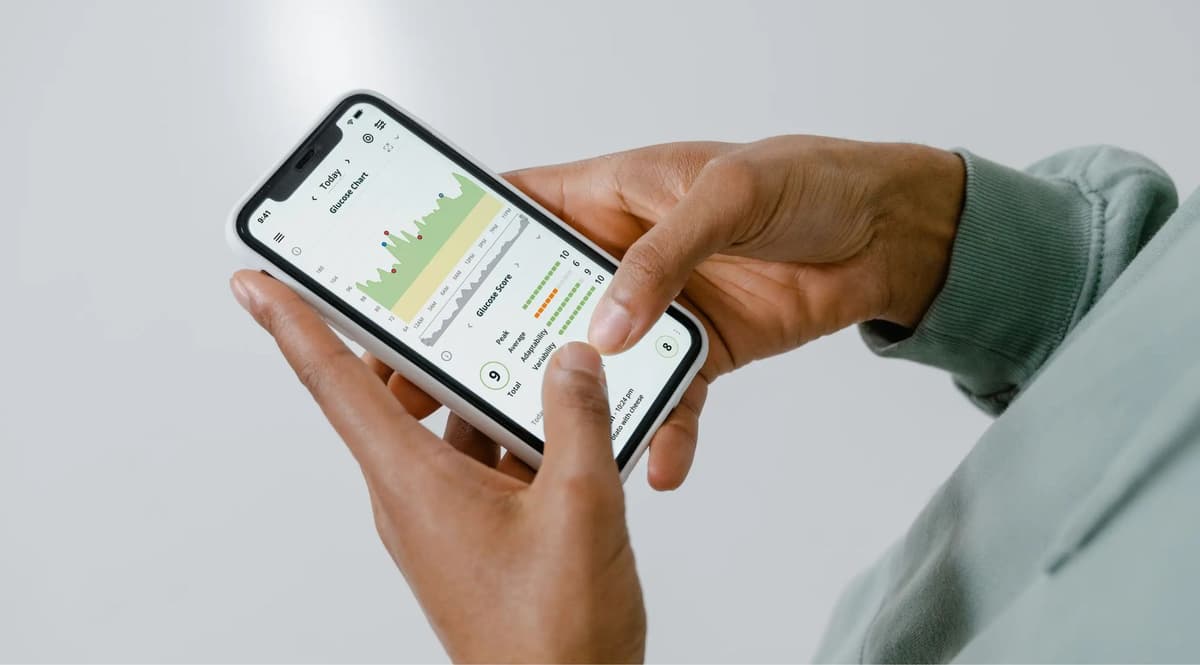
Tracking smart money on Solana involves identifying wallets that demonstrate consistent, high-PnL performance rather than single lucky trades. By using on-chain scanners to filter for large holders and early buyers, market participants can observe real-time accumulation patterns and liquidity shifts to gain a clearer understanding of market sentiment.
What this is NOT: This content is for educational purposes regarding on-chain analysis and does not constitute financial advice, a buy signal, or an endorsement of any specific asset.
The Architecture of Smart Money
Smart money is not a monolith; it is a collection of addresses that consistently interact with liquidity pools before the broader market. In the Solana ecosystem, tracking these actors requires moving beyond simple transaction logs. You must look for multi-hit consistency. A wallet that hit one 50x and nothing else is likely a result of luck; a wallet that has maintained a high ROI across dozens of tokens over several months suggests a deliberate strategy.
When evaluating a wallet, focus on these core metrics:
- Realized PnL: The actual profit extracted from closed positions.
- Holding Duration: How long the wallet holds before exiting.
- Entry Timing: Does the wallet consistently enter before the migration to major decentralized exchanges?
- Cluster Activity: Are these wallets interacting with the same liquidity pools or deployer addresses?
How to Track Wallets on Solana
1. Identification of Candidate Wallets
Start by browsing the leaderboard sections of common blockchain explorers. Look for "Whale Tracking" or "Top Traders" tabs. These features aggregate data based on total volume and historical profitability. Avoid looking for the single largest holder, as they are often exchange-controlled addresses or bridge vaults that do not reflect active trading behavior.
2. Filtering for Consistency
Once you have a list of potential addresses, perform a manual audit of their trade history. Use the wallet view to see their full transaction log. Filter for wallets that have a high frequency of successful trades over a 30 to 90-day window. If a wallet has a high win rate but only trades in small amounts, it may be a bot testing a strategy. Prioritize wallets with meaningful volume.
3. Setting Up Monitoring
Utilize blockchain notification tools to watch these addresses in real-time. By tagging these wallets in a watchlist, you can receive alerts when they interact with a new token contract or dump a significant portion of their holdings. This allows you to observe their behavior as it happens rather than reacting to stale data.
4. Analyzing Liquidity and Volume
Cross-reference the wallet’s movements with the token's liquidity pool. If a whale is buying a large percentage of the circulating supply, check the bonding curve or the pool depth. High-volume buying by a cluster of smart money wallets often precedes significant volatility. Always check if the liquidity is locked or burned, as this is a fundamental requirement for the sustainability of any token.
FAQ
How do I distinguish between a whale and a bot?
Bots typically execute trades with high frequency and specific, recurring sizes, often interacting with the same program IDs repeatedly. Whales generally show more irregular, human-like activity patterns, hold positions for longer durations, and often interact with a broader variety of protocols and DeFi platforms.
Is tracking a single wallet enough to make decisions?
No. Relying on a single address is dangerous because even successful entities make errors. Pros look for "cluster behavior," where multiple wallets that have historically been profitable begin to accumulate the same asset simultaneously. This indicates a broader consensus among smart money actors rather than an isolated move.
Analyzing On-Chain Data
When you dive into the data, you will often find that the most useful information is hidden in the transaction metadata. Look for the interaction between the wallet and the program ID. If a wallet is interacting with a specific, verified liquidity pool contract, it is a stronger signal than a simple transfer between two unknown addresses. Always prioritize data that confirms the wallet is providing liquidity or buying through a decentralized exchange, as this implies a direct investment in the token's ecosystem.
Related posts in On-Chain & Whale Tracking
- On-Chain & Whale Tracking
Decoding Bonding Curve Metrics: A 2026 Guide to On-Chain Memecoin Analysis
Master the art of reading bonding curve metrics on Solana. Learn to identify whale accumulation, liquidity health, and migration readiness before price moves.
Memelogs
- On-Chain & Whale Tracking
Decoding Bonding Curve Metrics: A 2026 Guide to Solana Memecoin Analysis
Master the art of reading bonding curve metrics before a memecoin moves. Learn how to track whale activity, liquidity shifts, and migration risks on Solana.
Memelogs
- On-Chain & Whale Tracking
On-Chain Red Flags: How to Spot Solana Rugpulls in 2026
Learn to identify common Solana rugpull patterns in 2026. Master on-chain checks for liquidity, wallet concentration, and contract risks before you participate.
Memelogs