
Altcoin Playbook 2026: Decoding Wallet Concentration and Liquidity Risks
Master the fundamentals of on-chain analysis in 2026. Learn to audit wallet distribution, liquidity pools, and whale movements to navigate volatile markets.

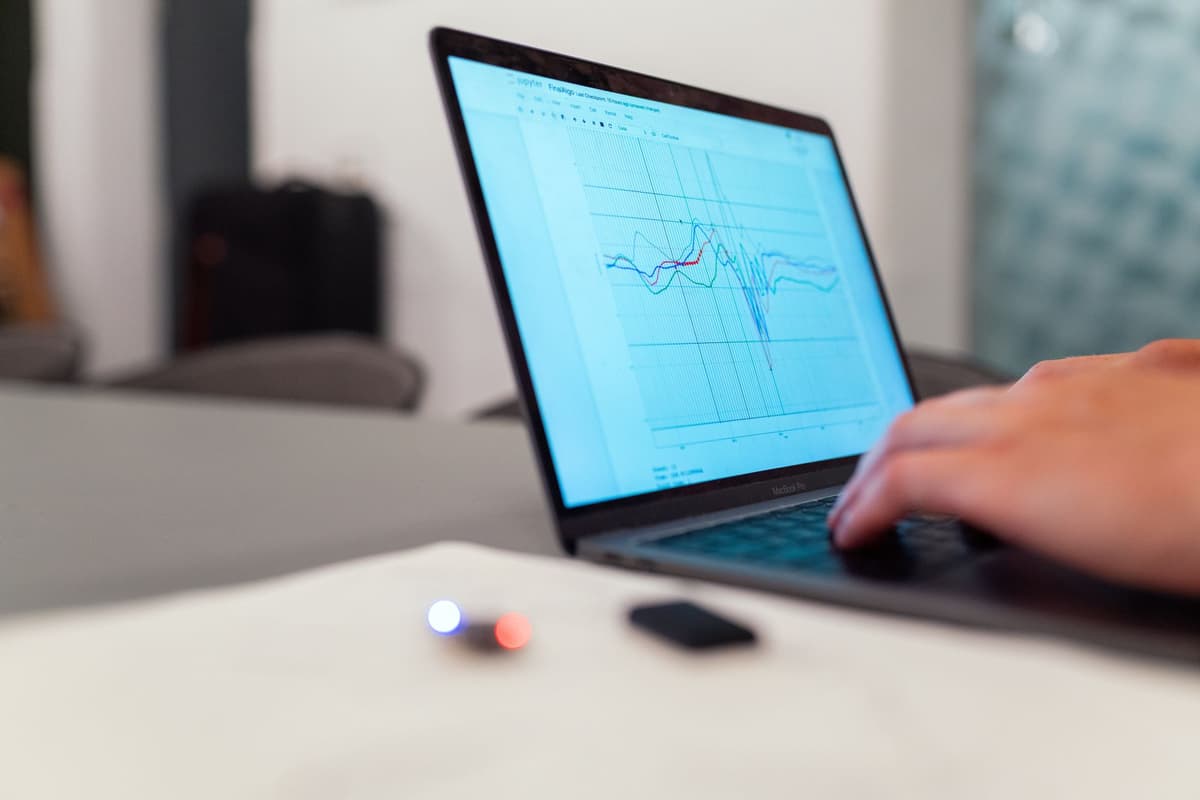
Analyzing altcoin health requires a rigorous audit of wallet concentration and liquidity depth to identify potential manipulation risks. By tracking the top holder distribution and net flow patterns, market participants can better assess whether a token's price action is driven by organic interest or centralized control.
Understanding On-Chain Risks
In the current Solana landscape, the speed of market cycles makes on-chain due diligence non-negotiable. When a token experiences rapid appreciation, it is common to see extreme concentration where a small number of wallets hold the majority of the circulating supply. This creates a structural vulnerability where a single sell order from a large holder can trigger a cascade in price. Understanding these dynamics is the first step toward building a defensive trading strategy.
The Anatomy of Concentration
Concentration risk is defined by the dispersion of tokens across unique addresses. When the top 10 wallets control more than 50% of the supply, the token is technically fragile. This is often an indicator of creator-heavy distribution or early-stage accumulation by insiders.
1. Audit the Holder Distribution
Use a block explorer to view the top 100 token holders. Look for a gradual decline in percentage ownership rather than a vertical drop-off. If the top holders are all newly created wallets, this often signals a single entity splitting their position to mask influence.
2. Monitor Net Flow Patterns
Track the net flow of the top 20 wallets over a 24-hour period. A consistent outflow from these wallets into decentralized exchanges is a primary indicator of profit-taking behavior. If these whales are moving funds into centralized exchanges, it may suggest an intent to liquidate.
3. Evaluate Liquidity Pool (LP) Depth
Liquidity is the buffer against volatility. Always verify the ratio of the token supply locked in the LP versus the amount held by the top wallets. If the LP is thin, even moderate selling by a large holder will cause outsized slippage, effectively locking retail participants into a declining position.
Identifying Smart Money
Not all large wallets are created equal. Some wallets demonstrate a high win rate and consistent early entry into successful projects. Tracking these addresses helps in identifying shifts in market sentiment before they reach the broader public. Focus on wallets that consistently accumulate during periods of consolidation rather than those chasing high-volume pumps.
FAQ
What does it mean if the top 10 wallets hold over 80% of the supply?
It indicates an extreme centralization risk. Such tokens are highly susceptible to rug-pulls or massive sell-offs, as the price is entirely dependent on the decisions of a few individuals rather than broad market demand.
How can I tell if a whale is selling or just moving funds?
Check the transaction destination. If the wallet transfers tokens to a decentralized exchange address, it is likely a sell event. If the tokens move to a cold storage address or another internal wallet cluster, it may simply be a rebalancing of assets.
What this is NOT
This article is for informational purposes only and does not constitute financial advice. It is not a buy signal, nor is it a recommendation to engage with any specific project. Market participants must conduct their own independent research, as on-chain data can be obfuscated and market conditions change rapidly.
Final Considerations for 2026
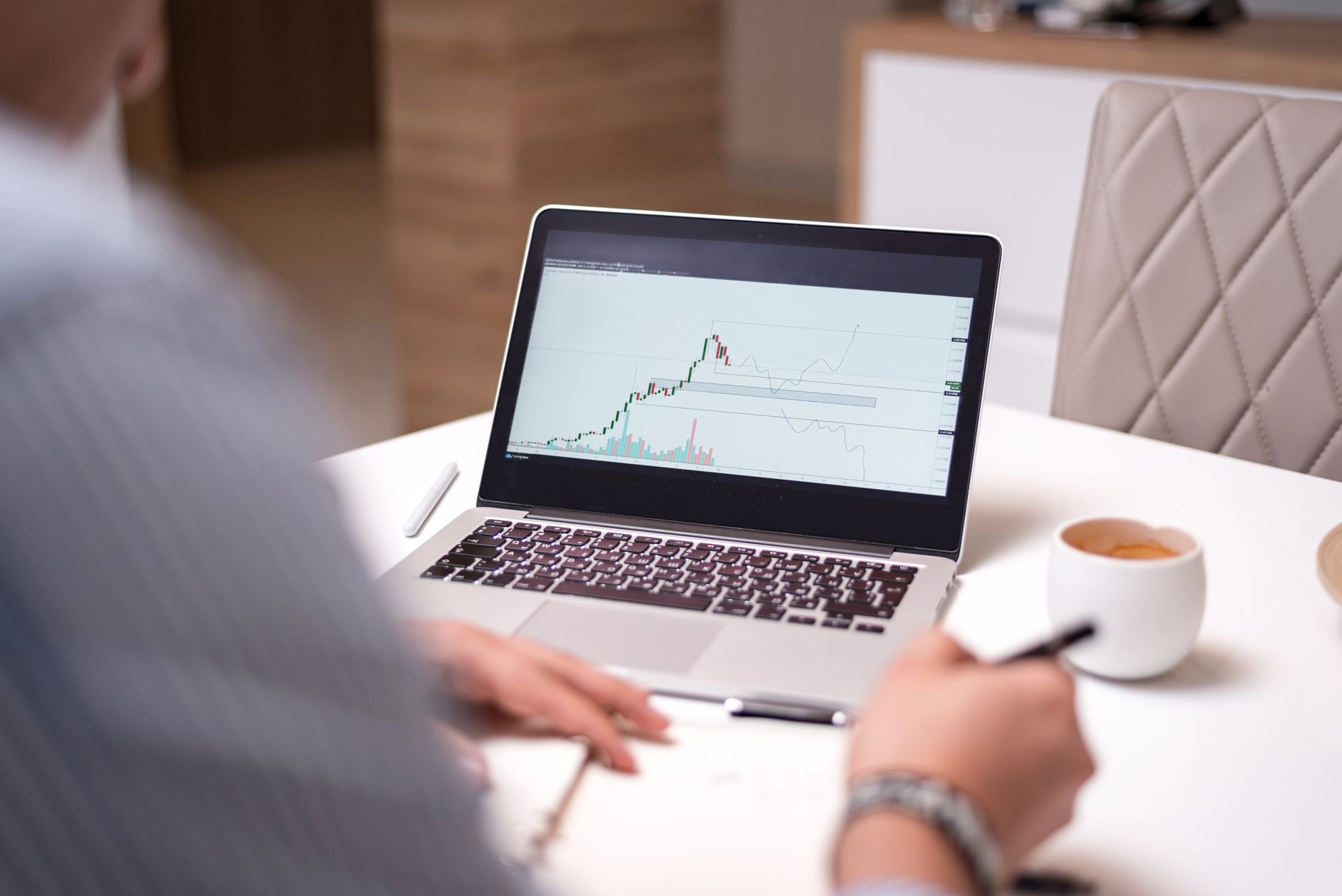
As tools for on-chain monitoring evolve, the ability to read raw data becomes more valuable than following social sentiment. Focus on verifiable metrics: holder count growth, liquidity-to-market-cap ratios, and the age of top-holder wallets. By prioritizing these structural signals, you move away from speculation and toward a data-driven approach to the Solana ecosystem.
Related posts in On-Chain & Whale Tracking
- On-Chain & Whale Tracking
On-Chain Red Flags: How to Spot Solana Rugpulls in 2026
Learn to identify common Solana rugpull patterns in 2026. Master on-chain checks for liquidity, wallet concentration, and contract risks before you participate.
Memelogs
- On-Chain & Whale Tracking
Accumulation 2026: Tracking Whale Movements on Solana Before Narratives Heat Up
Learn to identify early whale accumulation patterns on-chain. Master the steps to track fresh wallets and liquidity shifts before market narratives take hold.
Memelogs
- On-Chain & Whale Tracking
Tracking Whale Wallets in 2026: A Tactical Guide to On-Chain Analysis
Learn how to track whale wallet activity on Solana without blind copy-trading. Master on-chain verification techniques to observe smart money, not just signals.
Memelogs