
Solana Whale Accumulation Patterns: Tracking Early Narrative Shifts in 2026
Master the art of on-chain monitoring by identifying how whale wallets accumulate before market narratives heat up. Learn to track Solana trends effectively.

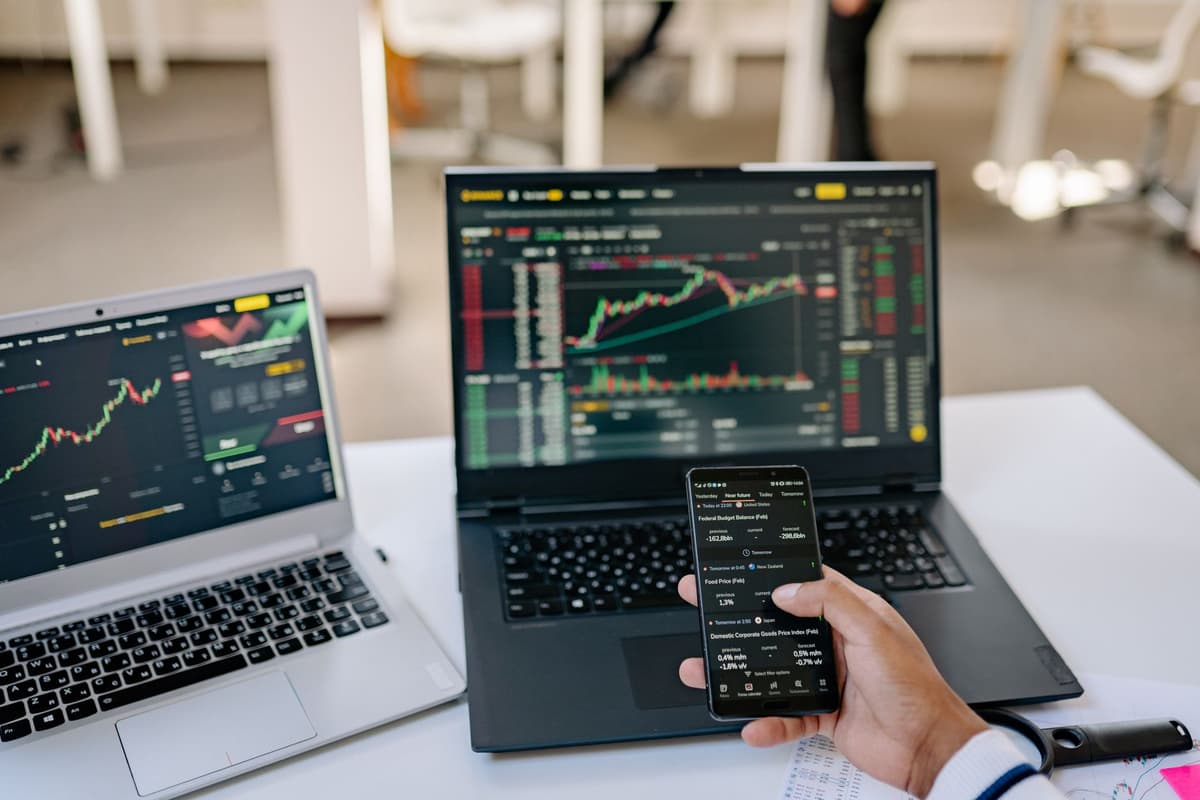
Fresh wallet accumulation is best identified by monitoring sustained, multi-wallet buying patterns that occur during periods of low market sentiment. By observing clusters of large Solana holders increasing their positions in anticipation of broader interest, market participants can better understand the early stages of a developing narrative.
The Anatomy of Early Accumulation
In 2026, the most significant price movements are preceded by quiet, methodical accumulation. Whales do not typically wait for headlines to confirm a trend; they build positions while the broader market remains indifferent. When large holders increase exposure to a specific asset or sector, they are often signaling long-term confidence based on proprietary data or internal analysis.
Identifying Whale Behavior
To track potential shifts, you must look beyond single transactions. A meaningful accumulation phase involves a wallet or a cluster of related wallets scaling up their position size over time, often buying into weakness rather than chasing price strength. This behavior stands in stark contrast to retail participants, who frequently buy during periods of high volatility or peak hype.
1. Monitor Wallet Clusters
Use a block explorer to track if multiple fresh wallets are interacting with the same smart contracts or liquidity pools simultaneously. A single wallet is just an outlier; a cluster of wallets accumulating the same asset is a signal.
2. Analyze Buy-Side Intensity
Look for consistent purchase volume that doesn't trigger immediate, massive price spikes. Whales prefer to fill their orders without alerting the entire market, often executing trades across multiple intervals to minimize slippage.
3. Watch for Liquidity Stability
Check the liquidity pools associated with the tokens of interest. If the liquidity remains stable or increases even while the asset price remains flat or slightly dips, it suggests that whales are providing the necessary depth to hold their positions for the long term.
4. Identify Exit Signals
Bearish patterns are equally important. If you observe large, partial exits or the movement of tokens to centralized exchange deposit addresses, it indicates that the whale is looking to offload or hedge. A sudden decline in daily activity from a previously active whale wallet is a red flag.
The Contrast Between Retail and Whales
Market history shows a clear divergence in strategy. Retail participants often buy the dip during a correction, while whales may simultaneously be taking profits if the asset has hit a major resistance level. Understanding this cycle helps you avoid being the liquidity for institutional exits.
| Indicator | Whale Behavior | Retail Behavior |
|---|---|---|
| Entry Strategy | Incremental accumulation | FOMO-driven market buys |
| Sentiment | Quiet and contrarian | Loud and reactive |
| Exit Strategy | Gradual distribution | Panic selling at lows |
| Time Horizon | Long-term accumulation | Short-term flipping |
FAQ
What is the most reliable sign that a whale is finished accumulating?
When a previously active whale wallet suddenly goes quiet or begins moving assets toward centralized exchange addresses, it often signals that their accumulation phase is complete and they are preparing for potential distribution.
Why does retail buying often fail to move the needle compared to whale activity?
Retail volume is frequently fragmented and emotional, leading to high-frequency, low-impact trades. Whales operate with larger capital bases and longer time horizons, allowing them to absorb market volatility and set the trend before the general public notices.
What this is NOT
This information is provided for educational purposes only and does not constitute financial advice. It is not a buy signal, nor does it guarantee any specific market outcome. Always conduct your own due diligence before interacting with on-chain assets.
Final Thoughts on 2026 Trends
As we navigate the current year, the focus on Solana remains high due to its ecosystem growth. By keeping a log of wallet patterns rather than chasing individual trades, you can develop a more objective view of where the capital is flowing. Focus on the data, ignore the noise, and remember that sustained patterns are the only reliable indicator of institutional intent.
Related posts in On-Chain & Whale Tracking
- On-Chain & Whale Tracking
Decoding Bonding Curve Metrics: A 2026 Guide to On-Chain Memecoin Analysis
Master the art of reading bonding curve metrics on Solana. Learn to identify whale accumulation, liquidity health, and migration readiness before price moves.
Memelogs
- On-Chain & Whale Tracking
Decoding Bonding Curve Metrics: A 2026 Guide to Solana Memecoin Analysis
Master the art of reading bonding curve metrics before a memecoin moves. Learn how to track whale activity, liquidity shifts, and migration risks on Solana.
Memelogs
- On-Chain & Whale Tracking
On-Chain Red Flags: How to Spot Solana Rugpulls in 2026
Learn to identify common Solana rugpull patterns in 2026. Master on-chain checks for liquidity, wallet concentration, and contract risks before you participate.
Memelogs