
Stop Blind Copy-Trading: A 2026 Strategy for Tracking Solana Whale Wallets
Learn how to track Solana whale wallets effectively in 2026. Move beyond blind copy-trading by analyzing on-chain behavior, liquidity, and consistency.

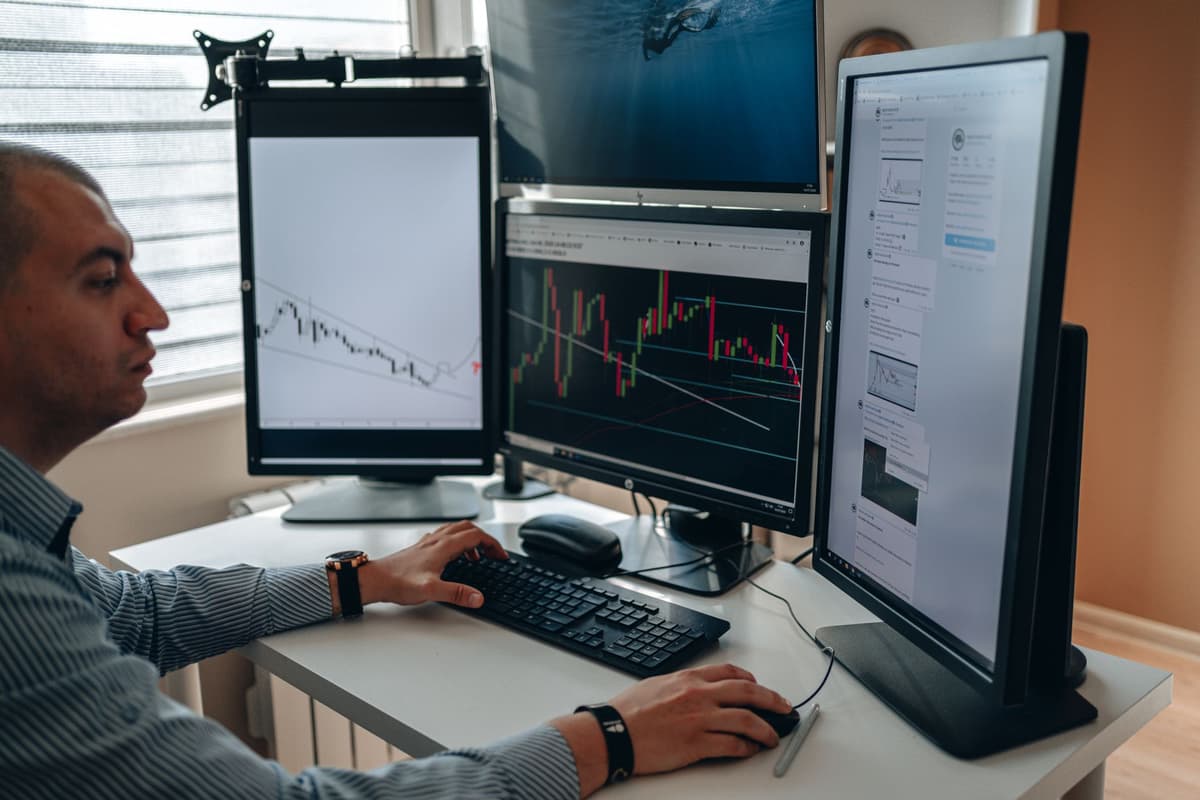
Tracking whale wallets is an observational discipline, not a shortcut for automated execution. By analyzing historical consistency and on-chain flow rather than blindly mirroring trades, market participants can identify potential accumulation patterns or distribution phases before they reach peak volatility.
Understanding the Whale Observation Framework
Whale tracking is often confused with copy-trading, but the two are fundamentally different. Copy-trading assumes your risk tolerance, liquidity requirements, and timing align perfectly with a whale, which is rarely the case. Passive observation allows you to treat whale activity as a data point for your own analysis, rather than a signal to execute.
The Anatomy of a Smart Money Wallet
Not every large wallet is a source of intelligence. Some are exchange hot wallets, others are liquidity pools or bridge contracts. To find wallets worth watching, you must filter for individual actors that demonstrate high hit rates and consistent behavior over time.
1. Identify the Entity
Use an on-chain explorer to verify that the address is an individual wallet and not an exchange-affiliated address. If a wallet consistently moves large sums to centralized exchanges, it may be preparing for distribution.
2. Analyze Historical Consistency
Anyone can get lucky with a single memecoin trade. Look for wallets that have maintained a high percentage of profitable exits over several months. A single outlier trade is noise; a string of successful entries and exits is a pattern.
3. Monitor Accumulation vs.
Distribution
Whale activity often serves as confirmation for technical levels. If a token is testing a resistance level and you observe whale wallets accumulating on-chain, it may suggest confidence in a breakout. Conversely, selling near support levels often indicates that large holders are preparing for a breakdown.
4. Validate with Volume
On-chain volume is often driven by large participants. When a technical setup looks promising, check the transaction history of the token to see if whale activity is actually driving that volume. If volume is low despite the price action, the movement may lack the institutional or whale conviction necessary to sustain a trend.
The Risks of Automated Execution
When you use bots to automatically mirror a wallet, you are effectively outsourcing your risk management. A whale might enter a position with a high-risk tolerance for a 50% drawdown, while your own portfolio might not be able to sustain such a loss. Furthermore, by the time an alert notifies you of a transaction, the market has often already reacted. The delay between the transaction firing on-chain and your manual verification is significant, but it is necessary to avoid being the exit liquidity for the whale you are tracking.
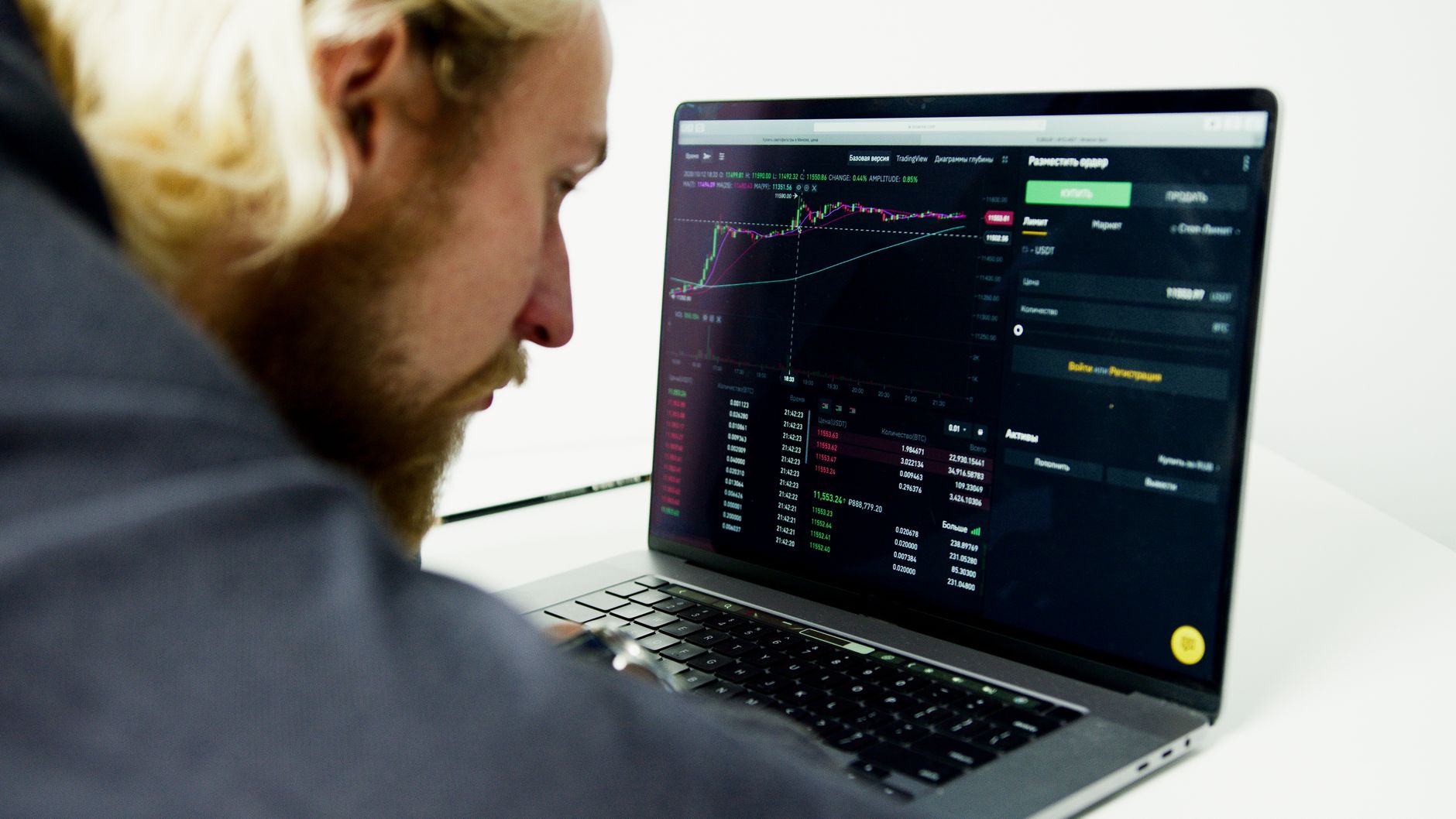
| Observation Metric | What it Tells You |
|---|---|
| Token Flow | Whether tokens are moving to DEXs or CEXs |
| Holder Concentration | Risk of sudden supply dumps |
| LP Participation | Depth of liquidity for potential exits |
| Historical Hit Rate | The reliability of the wallet's past strategy |
FAQ
Is it possible to consistently profit by blindly copying whale trades?
No. Blindly copying trades ignores position sizing, entry timing, and risk management. Because whales often move markets, their entry price is rarely the same as the price you will receive, and their exit strategy is often hidden until the transaction is already confirmed.
How do I distinguish between a whale and an exchange wallet?
Use on-chain explorers to check the transaction history. Exchange wallets typically interact with a wide variety of addresses and show massive, continuous inflows and outflows. Individual smart money wallets usually show more focused, deliberate interactions with specific decentralized protocols.
Final Considerations
What this is NOT: This is not financial advice, and this is not a guaranteed buy signal. On-chain data is a tool for transparency, but it does not remove the inherent risks of the crypto market. Always verify the movement of funds yourself using explorers and consider the broader market context before drawing conclusions from any single wallet's activity.
Related posts in On-Chain & Whale Tracking
- On-Chain & Whale Tracking
Decoding Bonding Curve Metrics: A 2026 Guide to On-Chain Memecoin Analysis
Master the art of reading bonding curve metrics on Solana. Learn to identify whale accumulation, liquidity health, and migration readiness before price moves.
Memelogs
- On-Chain & Whale Tracking
Decoding Bonding Curve Metrics: A 2026 Guide to Solana Memecoin Analysis
Master the art of reading bonding curve metrics before a memecoin moves. Learn how to track whale activity, liquidity shifts, and migration risks on Solana.
Memelogs
- On-Chain & Whale Tracking
On-Chain Red Flags: How to Spot Solana Rugpulls in 2026
Learn to identify common Solana rugpull patterns in 2026. Master on-chain checks for liquidity, wallet concentration, and contract risks before you participate.
Memelogs