
Tracking Whale Wallets in 2026: A Tactical Guide to On-Chain Analysis
Learn how to track whale wallet activity on Solana without blind copy-trading. Master on-chain verification techniques to observe smart money, not just signals.

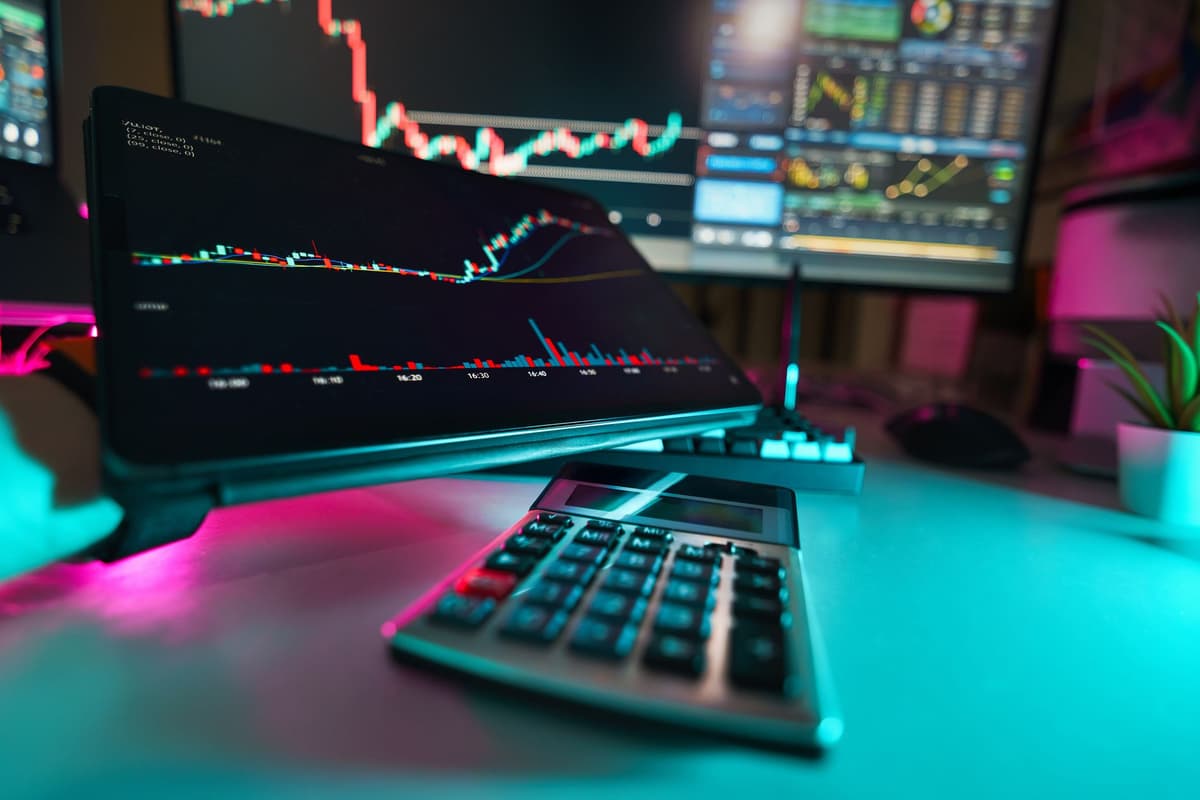
Tracking whale wallets involves observing historical performance and transaction patterns rather than reacting to automated alerts. By verifying on-chain activity, liquidity management, and exit strategies, you can understand market movements without blindly mimicking high-risk positions.
The Architecture of Whale Tracking
Whale watching is not about finding a signal to enter a position; it is about gathering intelligence on how experienced capital navigates market volatility. In 2026, the delta between a successful market participant and a retail participant is the ability to interpret raw on-chain data. When you see a large transfer, you are witnessing an effect, not a cause. Your goal is to reverse-engineer the logic behind that movement.
Why Blind Copy-Trading Fails
Blindly executing trades based on whale activity is a common error. A whale’s risk tolerance, portfolio size, and liquidity requirements are fundamentally different from yours. When they enter a position, they may be hedging, farming liquidity, or moving assets between chains. If you mirror them without context, you are essentially betting on a strategy you do not fully understand.
Step-by-Step: Analyzing Wallet Behavior
Instead of relying on automated bots that trigger buy signals, use the following manual verification process to assess if a wallet is worth observing.
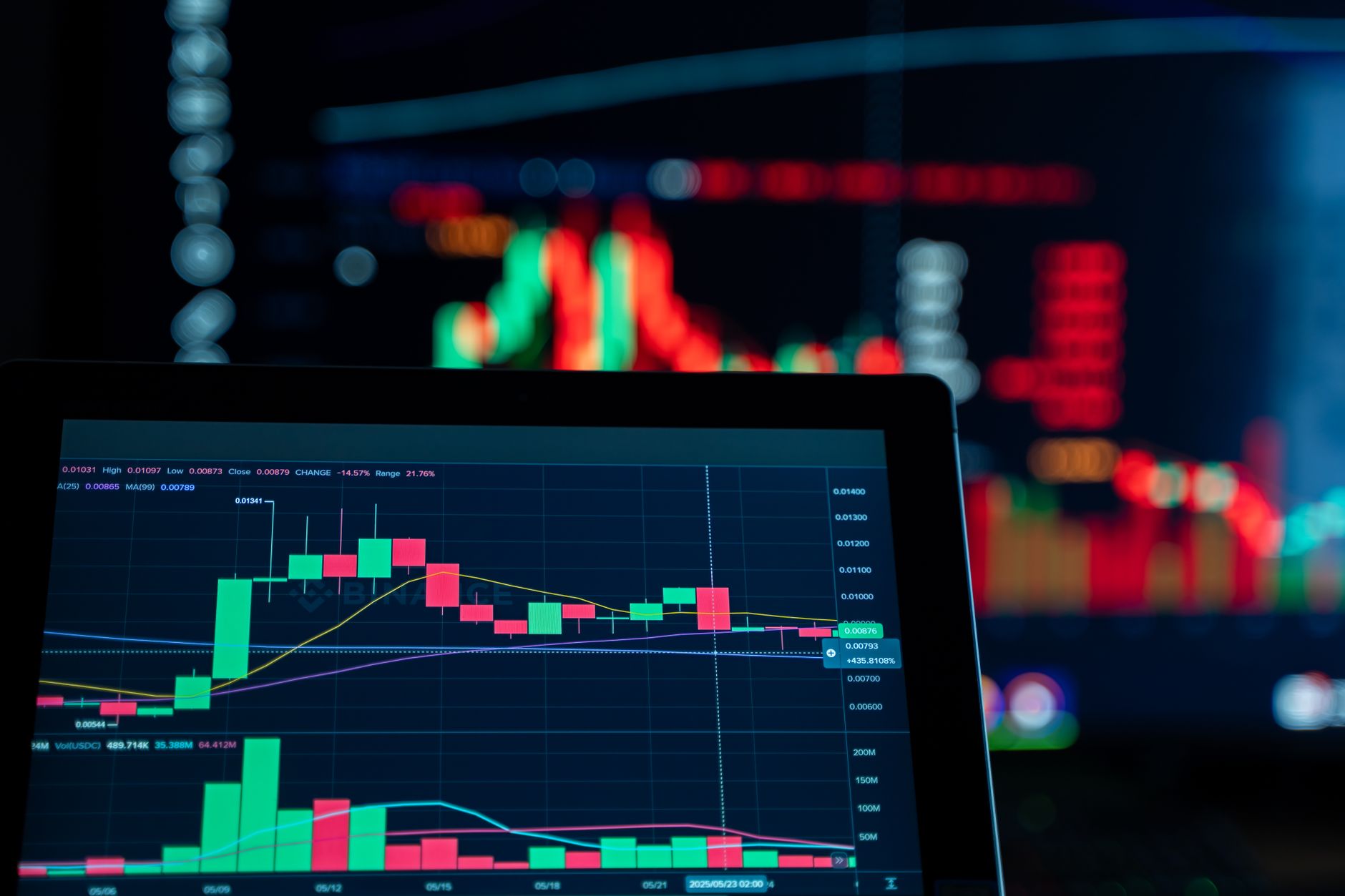
1. Identify the Wallet
Use an on-chain explorer to isolate a wallet address that has interacted with a high-volume token. Look for addresses that appear early in a token's lifecycle, specifically during the bonding curve phase on Solana.
2. Verify Historical Performance
Analyze the wallet’s profit and loss history. A wallet that consistently captures gains from early-stage entries is more valuable than one that only executes large-cap moves. Use block explorers to check the realized profit on past trades.
3. Monitor Transaction Frequency
Avoid wallets that are dormant for months. You want to track entities that show consistent activity over the last 30 to 90 days. High transaction frequency suggests an active participant who is currently managing their portfolio.
4. Observe Exit Patterns
Look at how the whale exits a position. Do they dump into the liquidity pool, causing significant slippage, or do they scale out over time? Their exit strategy tells you more about their confidence in the market than their entry point.
| Metric | Purpose |
|---|---|
| Entry Timing | Measures ability to identify early-stage tokens |
| Realized Profit | Validates past performance and consistency |
| Position Scaling | Shows risk management and exit strategy |
| Wallet Age | Filters out short-term noise or temporary bots |
Understanding On-Chain Indicators
To move beyond basic alerts, you must synthesize different data points. An alert might tell you that a whale moved 500k SOL to an exchange. By cross-referencing this with the token’s overall volume and current liquidity pool depth, you can determine if this transfer represents potential sell pressure or mere portfolio rebalancing.
Always check if the wallet is interacting with decentralized exchanges or centralized exchange deposit addresses. Transfers to centralized exchanges often signal an intent to divest, whereas movements between private wallets might indicate a shifting of assets to different liquidity pools or staking protocols.
FAQ
Is it possible to track whale movements in real-time?
Yes, but you will always be slightly behind the execution. Real-time alerts inform you of what has already occurred. True tracking involves monitoring these wallets over weeks to identify recurring patterns and strategic behaviors.
Should I use specific software to track whales?
While various platforms provide labeled wallets and entity mapping, you do not need expensive tools to start. Public blockchain explorers provide all the necessary data. The value is not in the tool, but in your ability to manually verify the wallet’s historical behavior and risk management.
What this is NOT
This guide is not financial advice. It is not a system for guaranteed returns, nor is it a source of buy signals. On-chain tracking is a method for market research and data analysis. Every wallet mentioned in any research context must be verified independently; past performance is never an indicator of future results. Always conduct your own due diligence before interacting with any token or protocol.
Related posts in On-Chain & Whale Tracking
- On-Chain & Whale Tracking
On-Chain Red Flags: How to Spot Solana Rugpulls in 2026
Learn to identify common Solana rugpull patterns in 2026. Master on-chain checks for liquidity, wallet concentration, and contract risks before you participate.
Memelogs
- On-Chain & Whale Tracking
Accumulation 2026: Tracking Whale Movements on Solana Before Narratives Heat Up
Learn to identify early whale accumulation patterns on-chain. Master the steps to track fresh wallets and liquidity shifts before market narratives take hold.
Memelogs
- On-Chain & Whale Tracking
Altcoin Playbook 2026: Decoding Wallet Concentration and Liquidity Risks
Master the fundamentals of on-chain analysis in 2026. Learn to audit wallet distribution, liquidity pools, and whale movements to navigate volatile markets.
Memelogs