
Altcoin Playbook 2026: Decoding Wallets, LP, and Holder Concentration
Master the 2026 altcoin landscape by learning to analyze on-chain wallet clusters, liquidity pool health, and holder concentration for better risk management.

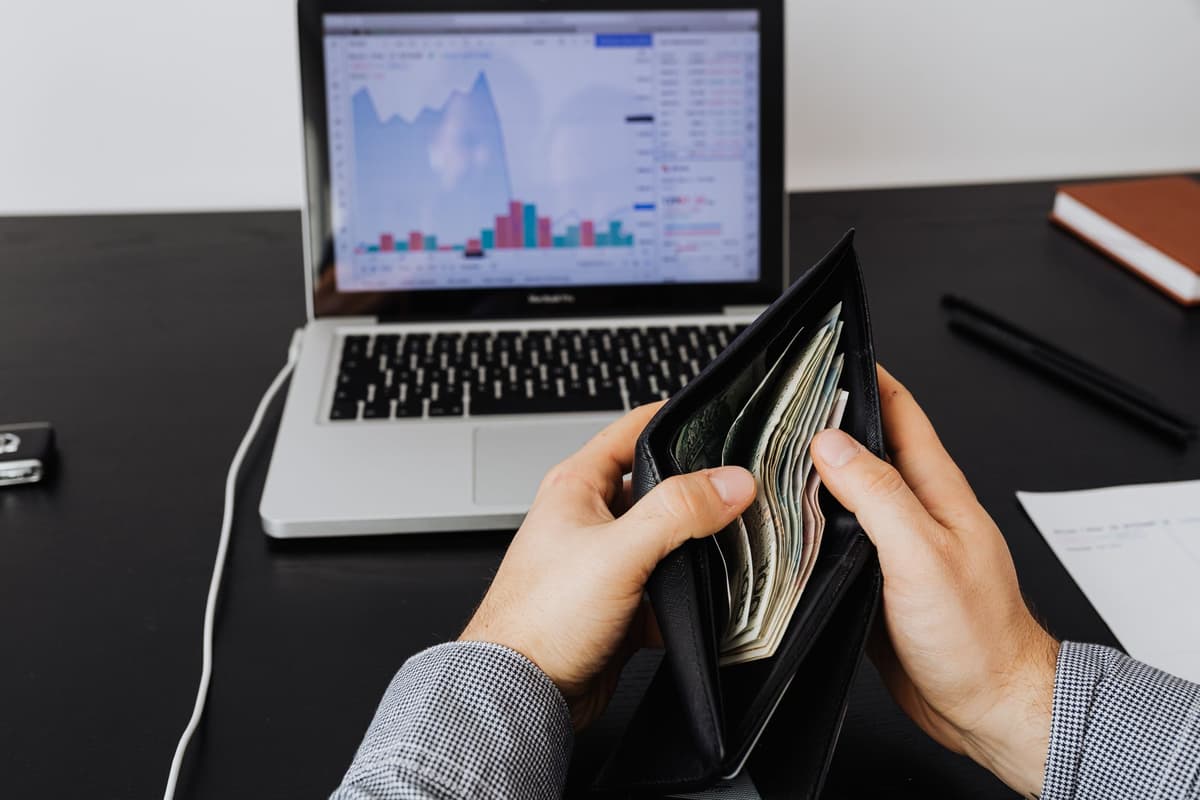
Analyzing altcoin health in 2026 requires moving beyond price action to audit on-chain fundamentals. By tracking wallet concentration, liquidity pool (LP) maturity, and the behavior of large holders, market participants can identify structural risks before they manifest in price volatility.
The Anatomy of On-Chain Due Diligence
In the current market environment, transparency is your greatest asset. While tools for portfolio dashboards and scanners are abundant, the actual methodology for interpreting this data remains consistent. You are looking for the "deterministic link" between token distribution and long-term viability.
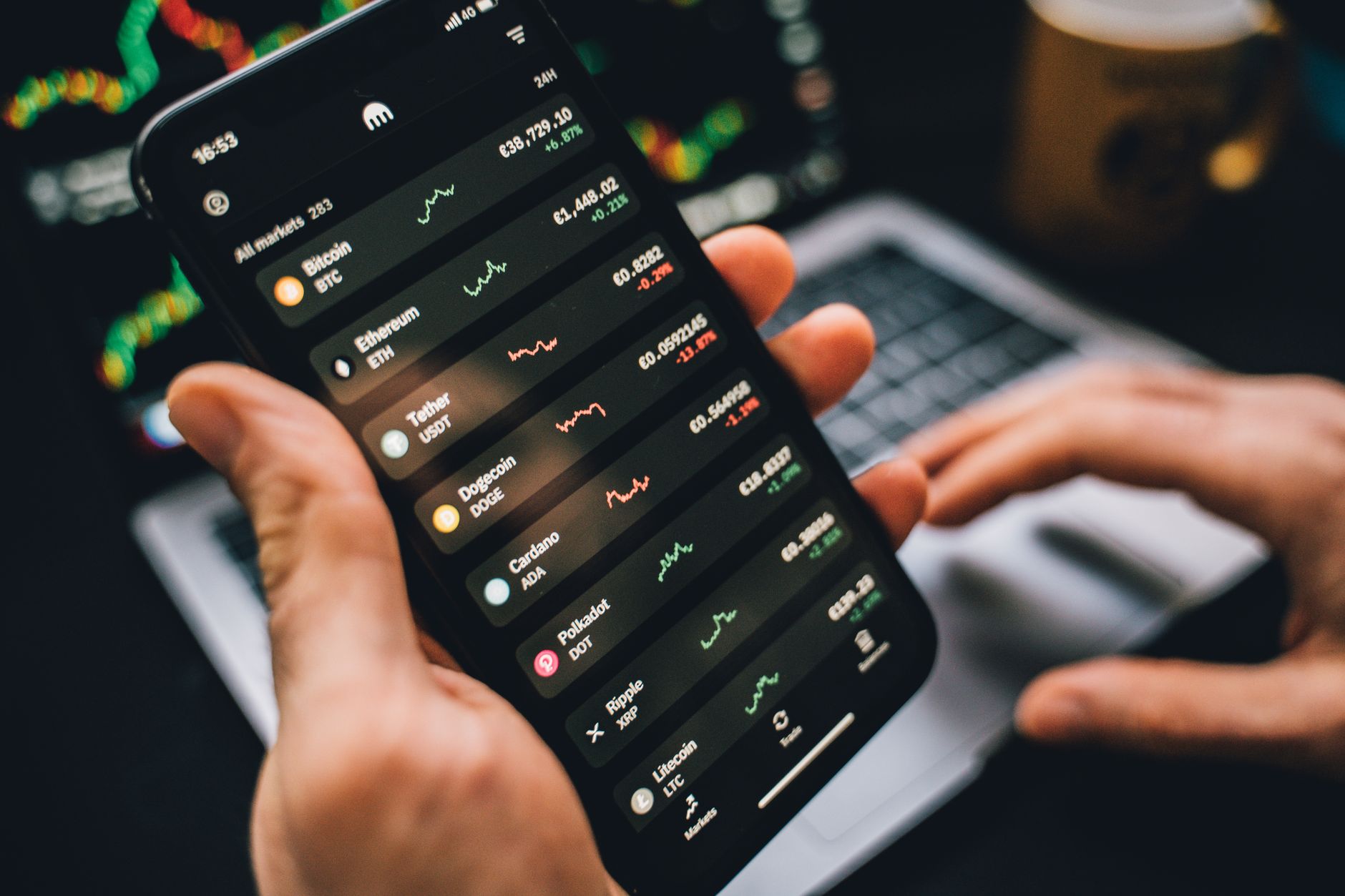
What this is NOT: This content is not financial advice, not a buy signal, and does not provide guaranteed returns. Always conduct your own research.
1. Analyzing Holder Concentration
High concentration is the primary indicator of potential sell-side pressure. A token where 80% of the supply is held by five wallets is structurally fragile, regardless of its social media engagement.
1. Audit the Top 20 Holders
Use a block explorer to view the token holder list. Check if the top addresses are contract addresses (like LP pools or staking vaults) or private wallets.
2. Identify Exchange Wallets
Cross-reference top holders with known exchange deposit addresses. If a large portion of the supply sits on a centralized exchange, expect high volatility.
3. Monitor Vesting and Unlock Schedules
Look for large, dormant wallets that move periodically. These are often team-locked tokens or early investor allocations. If these move to a DEX or bridge, the supply dynamic is changing.
2. Evaluating Liquidity Pool (LP) Health
Liquidity is the backbone of any altcoin trade. In 2026, the proliferation of automated liquidity yield strategies means you must distinguish between permanent and mercenary liquidity.
| LP Metric | Indicator of Health | Risk Factor |
|---|---|---|
| Liquidity Depth | High TVL relative to volume | Low slippage for exits |
| LP Ownership | Burned or timelocked | No rug-pull capability |
| Yield Source | Sustainable protocol fees | Ponzi-style emission inflation |
1. Check LP Ownership
Verify if the liquidity pool tokens are burned or held in a multisig contract. If the creator holds the LP tokens, they can withdraw the liquidity at any time.
2. Assess Slippage
Use a DEX interface to simulate a trade. If a small purchase results in significant price impact, the liquidity depth is insufficient for any serious market participant.
3. Whale Tracking and Wallet Clustering
Whale tracking is not about copying trades, but about understanding the "smart money" flow. In 2026, the focus has shifted toward institutional-scale buy-ins and privacy-preserving DeFi usage.
1. Cluster Identification
Look for wallets that interact with the same contracts at the same intervals. This often indicates a single entity operating multiple wallets to mask their total position size.
2. Pattern Analysis
Observe the timing of whale entries. Are they buying during accumulation phases or chasing momentum? Smart money typically enters before a protocol announces new yield strategies or bridge integrations.
3. Privacy Trade-offs
Be aware that privacy-preserving swaps on Solana are gaining traction. While these mask sender-receiver links, they are subject to the same liquidity constraints as any other DeFi transaction. If the anonymity set is low, the privacy is essentially non-existent.
FAQ
How do I determine if a whale is dumping or merely rebalancing?
Look at the destination of the tokens. If a whale moves large amounts to an exchange address, it is a high-probability signal of an intent to sell. If they move assets to a lending protocol or a cold storage vault, they are likely rebalancing or locking for yield.
Does a high number of holders always mean a project is decentralized?
No. A token can have thousands of holders while 90% of the supply remains concentrated in a few wallets. Always filter for 'unique active wallets' that have transacted in the last 30 days to remove dust accounts or airdrop-hunting bots from your analysis.
Related posts in On-Chain & Whale Tracking
- On-Chain & Whale Tracking
Decoding Bonding Curve Metrics: A 2026 Guide to On-Chain Memecoin Analysis
Master the art of reading bonding curve metrics on Solana. Learn to identify whale accumulation, liquidity health, and migration readiness before price moves.
Memelogs
- On-Chain & Whale Tracking
Decoding Bonding Curve Metrics: A 2026 Guide to Solana Memecoin Analysis
Master the art of reading bonding curve metrics before a memecoin moves. Learn how to track whale activity, liquidity shifts, and migration risks on Solana.
Memelogs
- On-Chain & Whale Tracking
On-Chain Red Flags: How to Spot Solana Rugpulls in 2026
Learn to identify common Solana rugpull patterns in 2026. Master on-chain checks for liquidity, wallet concentration, and contract risks before you participate.
Memelogs