
Solana Whale Tracking: Identifying Liquidity Migration Patterns in 2026
Learn how to monitor Solana DEX liquidity migration and whale wallet movements using on-chain analytics to understand market shifts without the hype.

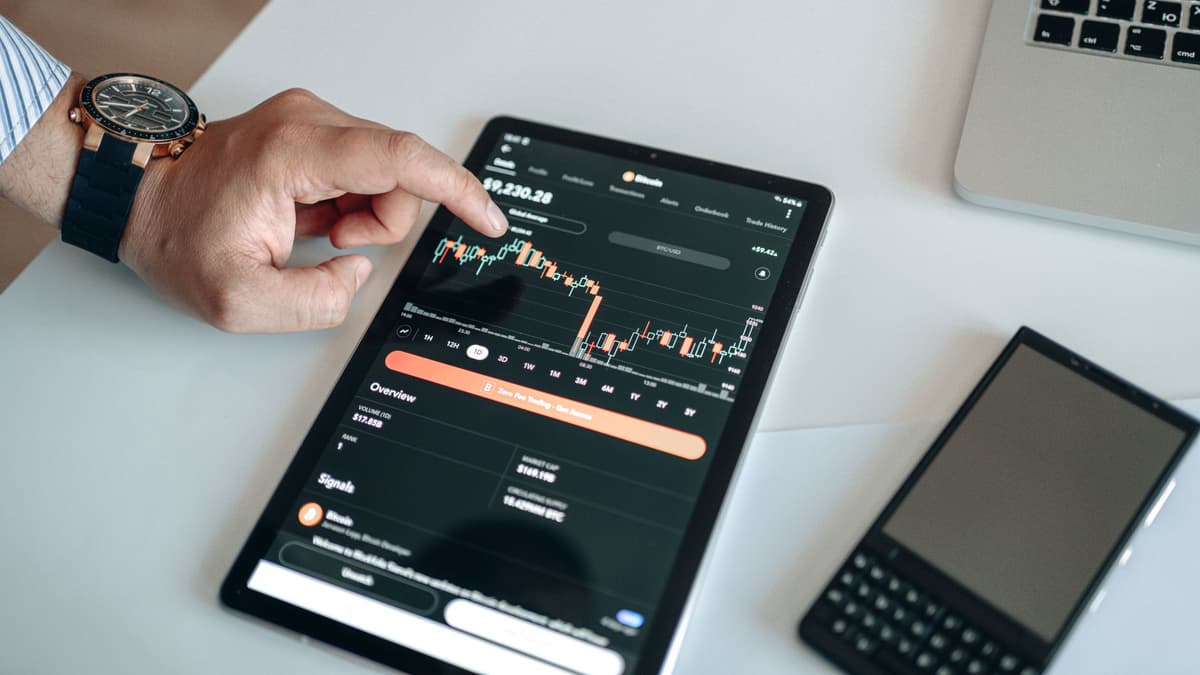
Liquidity migration on Solana occurs when large holders shift capital between pools or exit positions, often visible through concentrated swap volume and wallet clustering on-chain. By monitoring these movements via block explorers and transaction scanners, market participants can identify shifts in capital allocation rather than reacting to price volatility alone.
Understanding Liquidity Migration
In the current Solana ecosystem, liquidity is the lifeblood of every asset. Unlike traditional markets, the high throughput and low cost of the Solana network allow for near-instant tracking of capital as it moves across decentralized exchanges. Migration refers to the flow of SOL and tokens from one pool to another, often preceding significant shifts in market sentiment or token viability.
Smart money participants often accumulate SOL before initiating large position changes. When liquidity leaves a specific pool, it often signals that the underlying incentive structure or the confidence of early holders has changed. Monitoring these flows requires moving beyond simple price charts and focusing on the underlying transaction data.
How to Monitor On-Chain Movements
Tracking whale behavior is not about following a specific wallet to mirror its trades, but about understanding the structural integrity of a pool. Use the following steps to observe activity on-chain.
1. Identify Wallet Clusters
Look for groups of wallets that consistently interact with the same tokens shortly after a liquidity event. Use blockchain explorers to check if these wallets share a common funding source.
2. Analyze Swap Volume vs.
Liquidity
Compare the total liquidity depth of a pool against the size of individual swaps. When swap volume consistently exceeds a significant percentage of total liquidity, it indicates potential instability.
3. Monitor SOL Accumulation
Watch for wallets that move large amounts of SOL into a specific DEX router or swap contract before a liquidity shift occurs. This often indicates the preparation phase for a large-scale position move.
4. Review Holder Concentration
Check the percentage of the supply held by the top 10 wallets. High concentration combined with high volatility in the liquidity pool is a significant indicator of potential risk.
Data Points to Watch
| Metric | Significance |
| - | - |
| Pool Liquidity | Total capital available for trading |
| Swap Volume | Velocity of capital entering/exiting |
| Wallet Aging | Duration of time a wallet has held the asset |
| Funding Source | Whether capital originates from a CEX or private wallet |
The Role of DEX Infrastructure
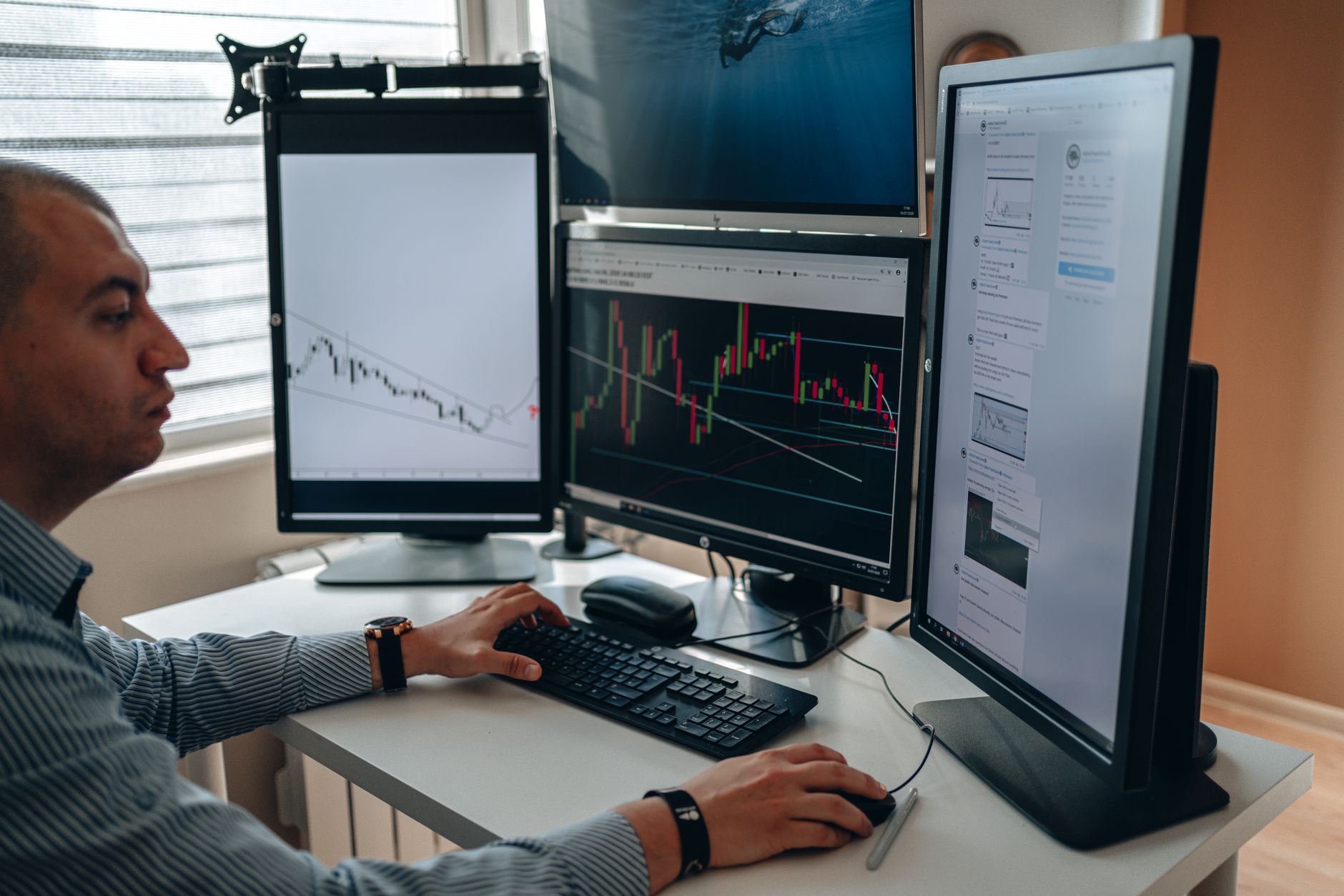
Platforms like Raydium and Jupiter have become the primary hubs for Solana liquidity. Because these platforms route trades through various pools, they are the most effective places to observe whale activity. When a whale executes a large swap, the routing data reveals the impact on different liquidity pools. Analyzing this routing data allows you to see if liquidity is being drained from smaller pools to support a larger, more stable one.
FAQ
How can I tell if a whale is exiting a position or just rebalancing?
Exiting a position typically involves selling the token for SOL and moving the SOL to a separate, non-DEX address or a centralized exchange. Rebalancing usually involves shifting assets between different liquidity pools or LP positions within the same ecosystem.
Does high trading volume always mean a project is healthy?
No. High volume can often be the result of automated bots or wash trading. Always verify volume by checking the number of unique active wallets and ensuring that the liquidity is locked or burned, which prevents sudden drainage.
Final Considerations
This analysis is for educational purposes only. It is not financial advice, not a buy signal, and not an endorsement of any project. The Solana ecosystem is highly dynamic, and on-chain data should be interpreted as a raw observation of activity rather than a guarantee of future price performance. Always conduct your own research and manage your risk accordingly.
Related posts in On-Chain & Whale Tracking
- On-Chain & Whale Tracking
Decoding Bonding Curve Metrics: A 2026 Guide to On-Chain Memecoin Analysis
Master the art of reading bonding curve metrics on Solana. Learn to identify whale accumulation, liquidity health, and migration readiness before price moves.
Memelogs
- On-Chain & Whale Tracking
Decoding Bonding Curve Metrics: A 2026 Guide to Solana Memecoin Analysis
Master the art of reading bonding curve metrics before a memecoin moves. Learn how to track whale activity, liquidity shifts, and migration risks on Solana.
Memelogs
- On-Chain & Whale Tracking
On-Chain Red Flags: How to Spot Solana Rugpulls in 2026
Learn to identify common Solana rugpull patterns in 2026. Master on-chain checks for liquidity, wallet concentration, and contract risks before you participate.
Memelogs