
Whale Tracking 2026: A Data-Driven Approach to Monitoring Solana Wallets
Learn how to track whale wallets on Solana without blind copy-trading. Master on-chain analysis to identify smart money patterns and validate market trends.

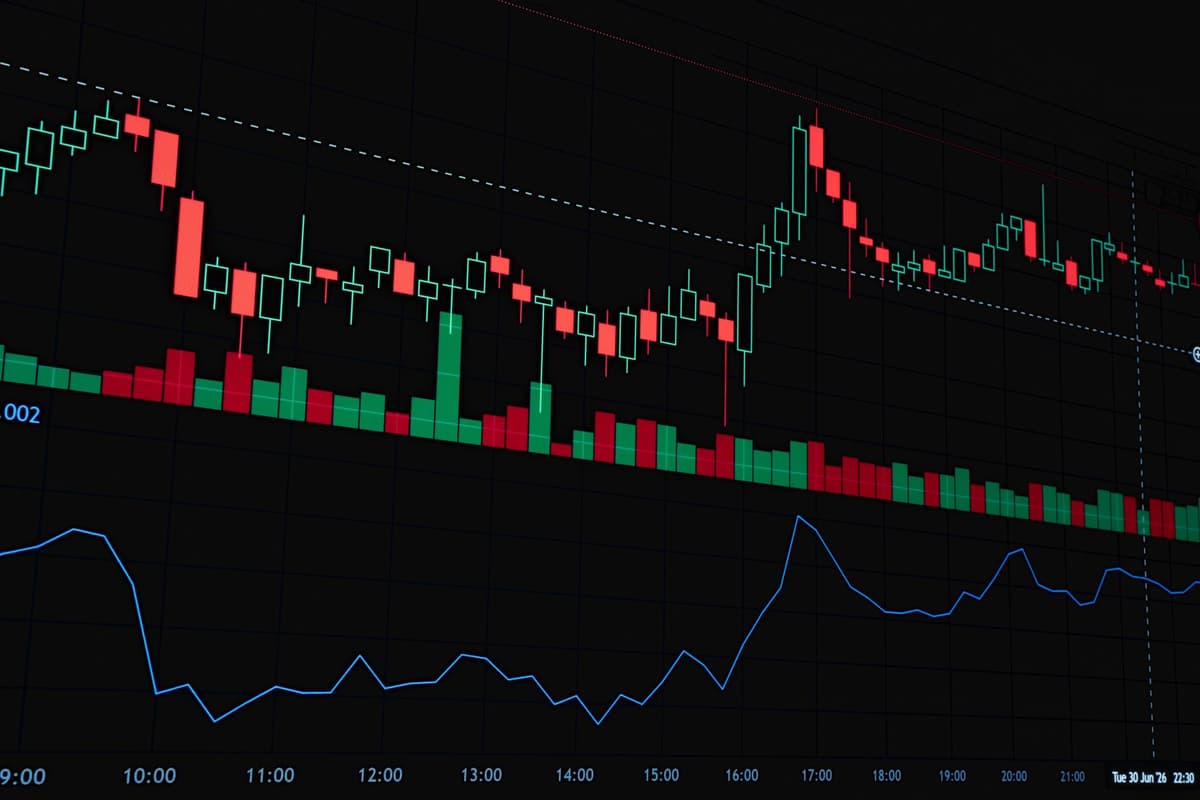
Tracking whale wallets involves observing on-chain transaction history to understand smart money behavior rather than mirroring their trades. By analyzing realized profit-and-loss and liquidity flows, you can validate market trends instead of blindly following signals.
The Architecture of Whale Tracking
Many retail market participants treat whale watching as a shortcut to gains. In reality, it is a demanding discipline of data validation. When you track a large wallet, you are not seeking a signal to execute; you are looking for confirmation of a thesis. Blindly copying an address exposes you to risks that the whale has already hedged or accounted for, such as different entry prices, position sizing, and risk tolerance.
Why Copy-Trading Fails
Copy-trading assumes your goals and constraints are identical to the entity you are following. A whale might enter a position with a multi-month outlook or use it as a hedge for a much larger portfolio. If you enter based on a single transaction alert, you are entering at a different time, often at a worse price, without the underlying strategy that justified the whale's original position.
Step-by-Step: Analyzing On-Chain Behavior
1. Identify Wallets with Consistent History
Look for addresses that show a long-term track record of activity rather than just one-off lucky trades. Use an on-chain explorer to scan for wallets with at least 50-100 transactions over several months. A wallet that has been active for 90 days provides more reliable data than a fresh address.
2. Filter for Realized PnL
Paper gains are misleading. Focus on wallets that have consistently closed positions with realized profits. If a wallet holds a large amount of a token but has never sold, they are an accumulator, not necessarily a smart money indicator. Look for evidence of profit-taking cycles on previous assets.
3. Monitor Exchange Flow Patterns
Track transfers between the wallet and centralized exchanges. A large inflow to an exchange often suggests potential sell pressure, while a consistent net outflow to cold storage or decentralized protocols indicates an intention to hold or stake. This provides context for whether the whale is preparing to exit or increase their exposure.
4. Validate with Volume Data
When you identify a potential trend in a whale's activity, check if it coincides with broader volume shifts on-chain. If a whale is accumulating, does the overall volume of the token increase? If so, the whale's actions may be part of a larger market movement rather than an isolated event.
Understanding Market Signals
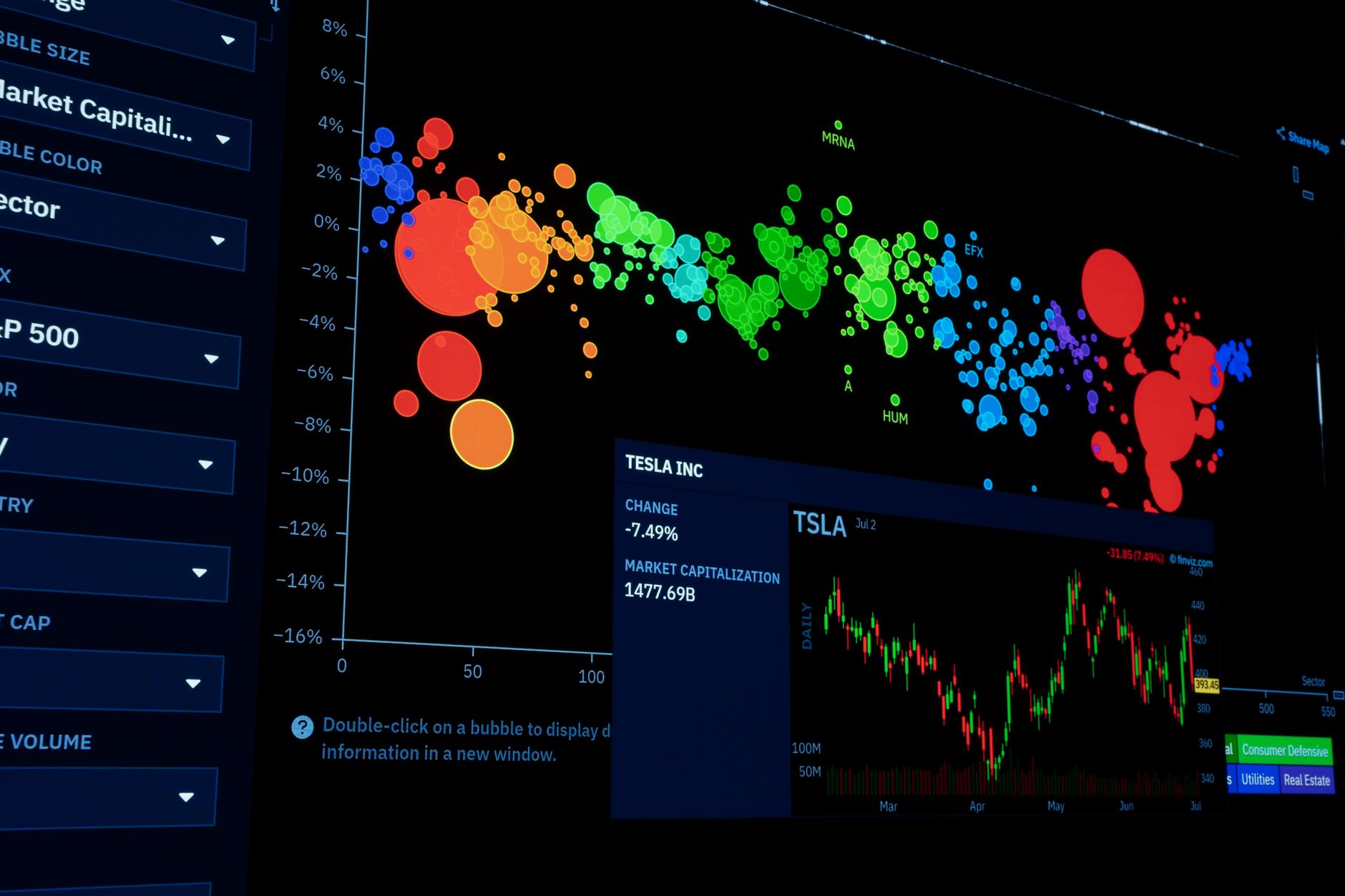
| Signal Type | On-Chain Indicator | Potential Interpretation |
|---|---|---|
| Accumulation | Consistent withdrawals from exchanges | Long-term bullish sentiment |
| Distribution | Sustained deposits to exchanges | Potential sell pressure build-up |
| High Activity | Frequent, smaller transactions | Likely bot or market maker activity |
| Low Activity | Dormant for long periods | Strategic hold or loss of interest |
FAQ
Can I use whale alerts to automate my entries?
Alerts only tell you what has already occurred. By the time an alert fires, the transaction is already written to the blockchain, and the market may have already adjusted to the liquidity shift. Automation based on these alerts carries the risk of executing at the top or bottom of a volatility spike.
How do I distinguish between smart money and noise?
Filter for wallets that show a history of successful, repeated cycles. If an address has only one successful trade, it may be luck. If an address demonstrates a pattern of entering before price appreciation and exiting before significant pullbacks across multiple assets, it is more likely to be an entity worth monitoring.
What this is NOT
This guide is not financial advice, nor does it provide buy signals or guaranteed market outcomes. Whale tracking is a tool for market analysis and risk management, not a replacement for independent research and strategy development. Always account for your own risk tolerance when interacting with the blockchain.
Related posts in On-Chain & Whale Tracking
- On-Chain & Whale Tracking
Decoding Bonding Curve Metrics: A 2026 Guide to On-Chain Memecoin Analysis
Master the art of reading bonding curve metrics on Solana. Learn to identify whale accumulation, liquidity health, and migration readiness before price moves.
Memelogs
- On-Chain & Whale Tracking
Decoding Bonding Curve Metrics: A 2026 Guide to Solana Memecoin Analysis
Master the art of reading bonding curve metrics before a memecoin moves. Learn how to track whale activity, liquidity shifts, and migration risks on Solana.
Memelogs
- On-Chain & Whale Tracking
On-Chain Red Flags: How to Spot Solana Rugpulls in 2026
Learn to identify common Solana rugpull patterns in 2026. Master on-chain checks for liquidity, wallet concentration, and contract risks before you participate.
Memelogs