
Whale Tracking 2026: A Systematic Approach to On-Chain Analysis
Learn how to track whale wallets on-chain without blind copy-trading. Master technical validation and behavioral analysis to improve your market insight.

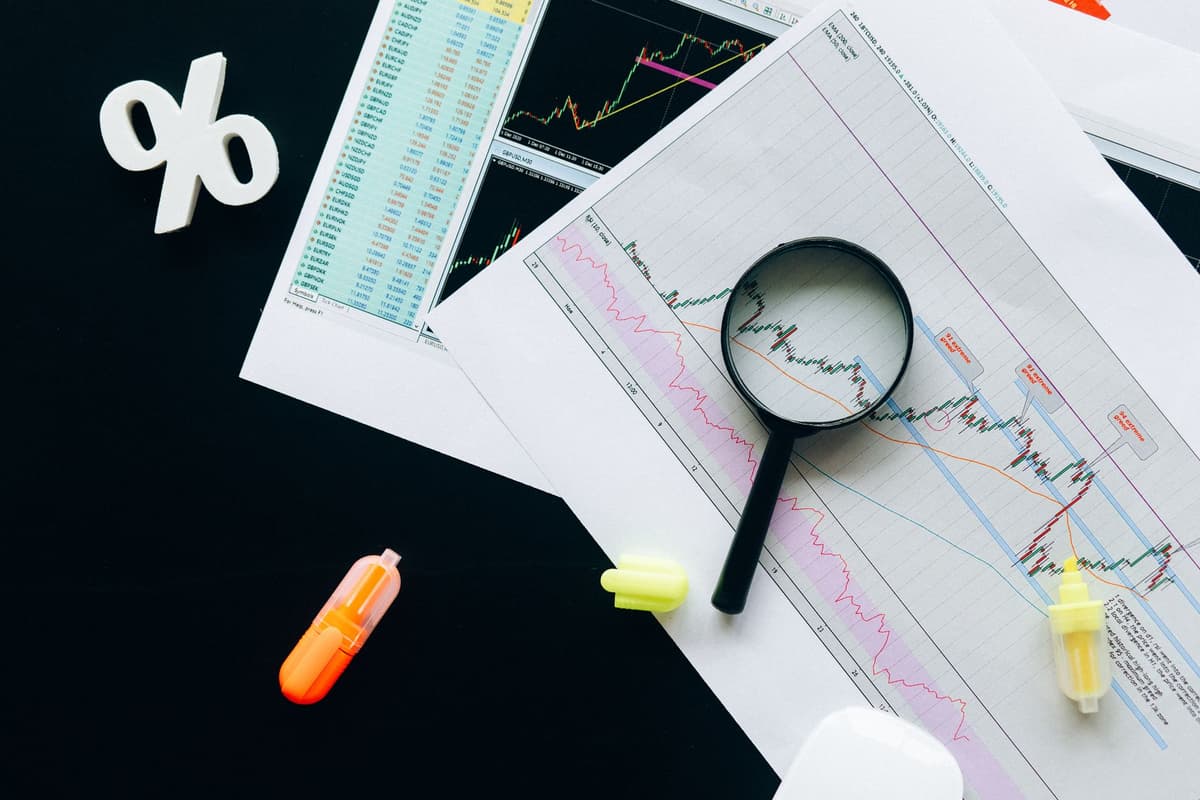
Whale tracking is the process of monitoring large, influential wallets to identify trends and potential market shifts rather than blindly mirroring their trades. By analyzing on-chain transaction patterns, volume validation, and liquidity flows, you can gain context on why smart money is moving, which helps you make more informed decisions based on market data rather than impulse.
Understanding the Methodology
Many retail participants mistakenly treat a "whale alert" as a signal to buy or sell. This is a fundamental error. Copy-trading assumes you have the same risk tolerance, capital reserves, and entry-exit strategy as the whale, which is rarely the case. Successful whale watching is about gathering intelligence, not executing automated clones of high-stakes positions.
The Anatomy of a Whale Movement
When a whale moves assets, they often leave a trail that can be analyzed using block explorers and on-chain analytics platforms. The goal is to separate noise from intent. A large transfer to a decentralized exchange might signal an intent to sell, while a large withdrawal from an exchange to a private cold wallet often suggests long-term accumulation.
Step-by-Step: Analyzing Whale Behavior
1. Identify and Cluster Wallets
Start by filtering for wallets that consistently show realized profits over a 90-day period. Use public blockchain explorers to view their full transaction history. Look for consistency in their trading patterns rather than one-off lucky trades.
2. Validate with On-Chain Volume
Check if the whale’s transaction volume correlates with broader market activity. If a token is testing a key resistance level and a cluster of whale wallets is simultaneously accumulating, the probability of a breakout increases significantly. Conversely, selling pressure from these wallets near support levels often indicates a potential breakdown.
3. Analyze Exchange Flow Patterns
Monitor whether tokens are flowing toward exchanges or into private custody. Rising balances on exchange-linked addresses frequently precede sell pressure. Use on-chain metrics like the Spent Output Profit Ratio to determine if the whale is liquidating into profit or moving assets to provide liquidity.
4. Correlate with Other Smart Money
Never rely on a single wallet. Use on-chain tools to see if other identified smart money entities are moving in the same direction. When multiple high-value wallets act in concert, it strengthens the validity of the observed trend.
The Role of Technical Context
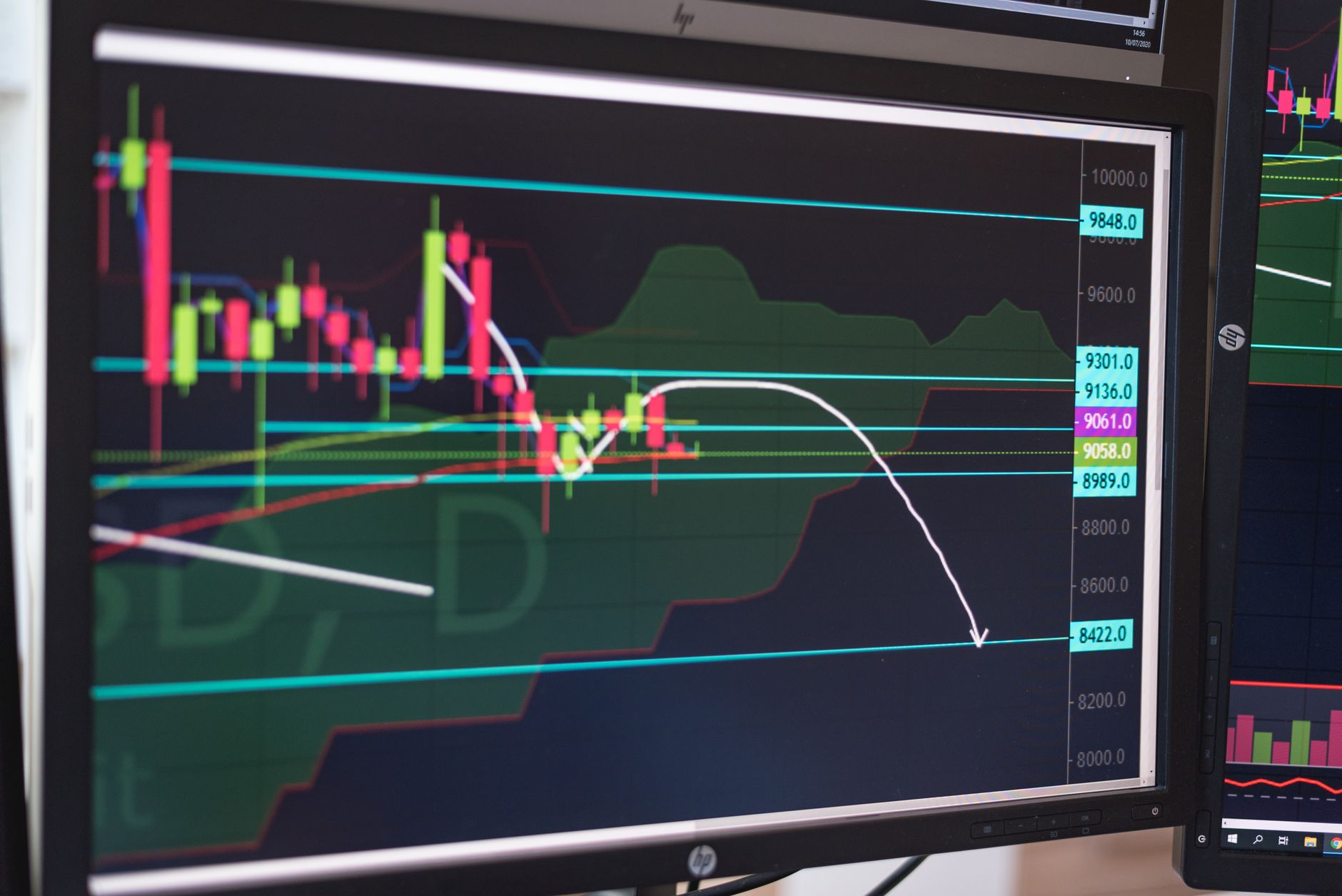
Whale activity is most useful when cross-referenced with technical levels. If you ignore the price action of the asset, you are missing half the story. Whale movements often serve as confirmation for technical setups. A whale buying during a consolidation phase at a major support level is a stronger signal than a whale buying during an impulsive, parabolic move where they might simply be chasing momentum.
FAQ
Is copy-trading whale wallets a reliable strategy?
No. Copy-trading is inherently risky because you do not know the whale's full strategy, exit targets, or risk management protocols. A whale may be hedging a position, providing liquidity, or diversifying, none of which may be suitable for your own portfolio strategy.
What is the biggest mistake when tracking whales?
The most common mistake is acting too slowly based on alerts alone. By the time an alert notifies you of a transaction, the price may have already moved. Tracking should focus on understanding the underlying patterns and identifying trends before the crowd reacts, rather than reacting to alerts in real-time.
What this is NOT
This information is for educational purposes only. It is not financial advice, nor is it a buy or sell signal for any specific asset. Always conduct your own research and manage your risk according to your personal financial situation.
Why Context Matters
Ultimately, on-chain data provides the "what" and the "when," but you must provide the "why." By observing whether whales are adding to liquidity pools, shifting assets between chains, or accumulating at specific price tiers, you develop a deeper understanding of market sentiment. Use these insights to build your own thesis, rather than looking for a shortcut to profit. The market rewards those who analyze the data, not those who blindly follow it.
Related posts in On-Chain & Whale Tracking
- On-Chain & Whale Tracking
Decoding Bonding Curve Metrics: A 2026 Guide to On-Chain Memecoin Analysis
Master the art of reading bonding curve metrics on Solana. Learn to identify whale accumulation, liquidity health, and migration readiness before price moves.
Memelogs
- On-Chain & Whale Tracking
Decoding Bonding Curve Metrics: A 2026 Guide to Solana Memecoin Analysis
Master the art of reading bonding curve metrics before a memecoin moves. Learn how to track whale activity, liquidity shifts, and migration risks on Solana.
Memelogs
- On-Chain & Whale Tracking
On-Chain Red Flags: How to Spot Solana Rugpulls in 2026
Learn to identify common Solana rugpull patterns in 2026. Master on-chain checks for liquidity, wallet concentration, and contract risks before you participate.
Memelogs