
Tracking Whale Wallets in 2026: A Technical Approach to On-Chain Analysis
Learn how to track whale wallet activity on Solana by analyzing real-time on-chain data, realized PnL, and liquidity patterns without relying on blind copies.

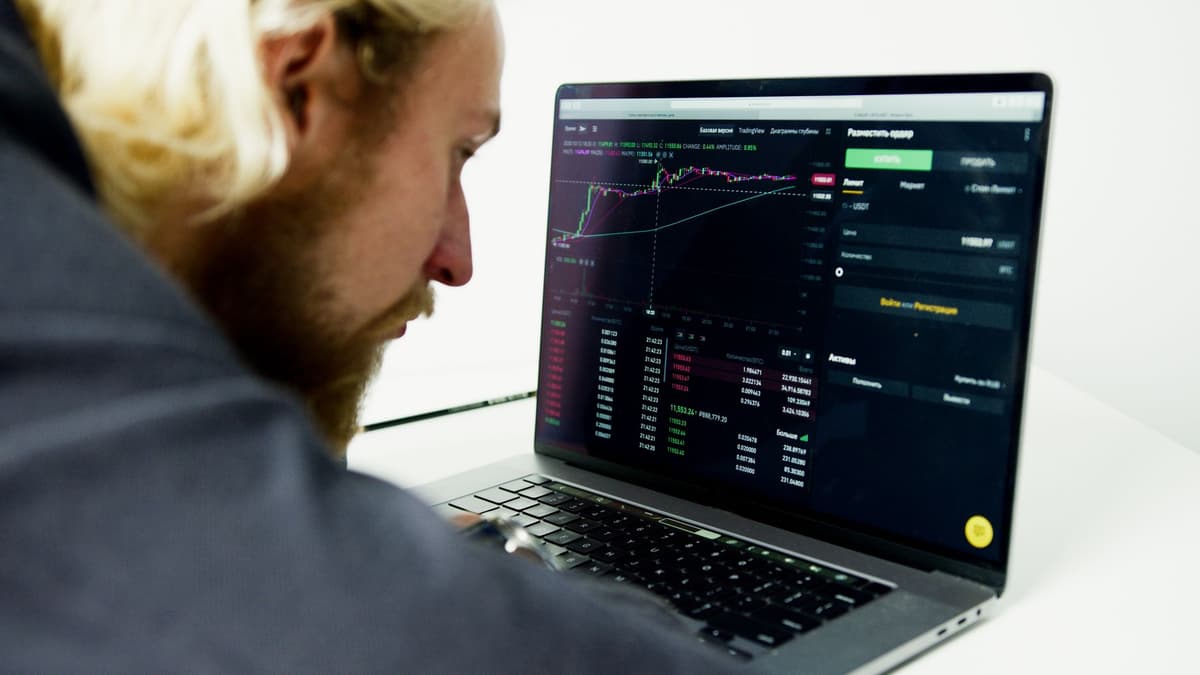
Tracking whale wallets involves monitoring on-chain transaction logs and historical performance data to identify behavioral patterns rather than blindly replicating trades. By focusing on realized PnL and liquidity shifts, market participants can observe smart money movements to form their own informed strategies.
Understanding the Whale Tracking Discipline
Whale tracking is the process of observing large capital movements on the blockchain to understand market positioning. It is not a shortcut to profit. When you observe a significant transfer, you are seeing a result of a strategy, not the strategy itself. Blindly following these movements is dangerous because you lack the context of the whale's original entry point, risk tolerance, and total capital exposure.
The Anatomy of an On-Chain Whale Check
To effectively track activity on networks like Solana, you must move beyond simple transaction alerts. Alerts provide the 'what,' but analysis provides the 'why.'
1. Filter for Realized PnL
Many wallets may show high paper gains that never materialize. Use on-chain explorers to inspect a wallet's historical transaction history. Look for instances where the wallet has actually sold tokens for profit, rather than just holding assets that have increased in value. A high win rate is secondary to a consistent track record of realized capital gains over a 90-day window.
2. Identify Liquidity and Holding Patterns
Examine the wallet’s holdings across multiple assets. A whale often concentrates capital in specific sectors or tokens. Check the liquidity pools associated with their largest holdings. If a whale is consistently providing liquidity or accumulating tokens before a price spike, it may indicate a long-term strategy rather than a short-term pump.
3. Monitor Exchange Flows
Large transfers to centralized exchanges are often precursors to selling pressure. Cross-reference these transfers with the timing of price volatility. If a wallet moves a significant portion of its holdings to an exchange address during a period of market growth, it is a signal that the entity is likely taking profits.
Why Context Matters
Whale tracking is inherently reactive. By the time an on-chain transaction is confirmed and appears on an explorer, the price impact has often already occurred. This is why following wallets directly is rarely successful for retail participants. Instead, treat these wallets as data points to map out broader market sentiment.
| Metric | Purpose |
|---|---|
| Realized PnL | Confirms if the wallet is actually making money |
| Exchange Inflow | Indicates potential sell pressure |
| Holding Duration | Distinguishes between flippers and long-term holders |
| Cluster Activity | Shows if multiple smart wallets are moving in sync |
The Risks of Copy-Trading
Copy-trading assumes that your objectives and the whale's objectives are identical. This is rarely the case. A whale might be using a position to hedge another trade, or they might have a capital base that allows them to withstand a 50% drawdown that would liquidate a smaller account. Never treat a whale's transaction as a signal to buy or sell.
FAQ
Can I use automated alerts to replace manual analysis?
Alerts are useful for notification, but they do not replace analysis. An alert tells you that a transaction happened; it does not tell you if that transaction is part of a profitable strategy or a simple rebalancing of a portfolio.
How can I tell if a whale is dumping or just rebalancing?
Look at the history of the wallet. If the wallet consistently sells large portions of its holdings during price rallies, it is likely taking profits. If it frequently moves assets between different cold storage wallets or decentralized protocols, it may simply be rebalancing or managing risk.
What this is NOT: This content is not financial advice, nor is it an endorsement of any specific trading strategy, token, or platform. All market participants should conduct their own due diligence before interacting with on-chain protocols.
Related posts in On-Chain & Whale Tracking
- On-Chain & Whale Tracking
Decoding Bonding Curve Metrics: A 2026 Guide to On-Chain Memecoin Analysis
Master the art of reading bonding curve metrics on Solana. Learn to identify whale accumulation, liquidity health, and migration readiness before price moves.
Memelogs
- On-Chain & Whale Tracking
Decoding Bonding Curve Metrics: A 2026 Guide to Solana Memecoin Analysis
Master the art of reading bonding curve metrics before a memecoin moves. Learn how to track whale activity, liquidity shifts, and migration risks on Solana.
Memelogs
- On-Chain & Whale Tracking
On-Chain Red Flags: How to Spot Solana Rugpulls in 2026
Learn to identify common Solana rugpull patterns in 2026. Master on-chain checks for liquidity, wallet concentration, and contract risks before you participate.
Memelogs