
Tracking Whale Wallets in 2026: A Technical Approach to On-Chain Analysis
Learn how to monitor whale wallet movements on Solana using on-chain metrics instead of blind copy-trading. Master the data to improve your market analysis.

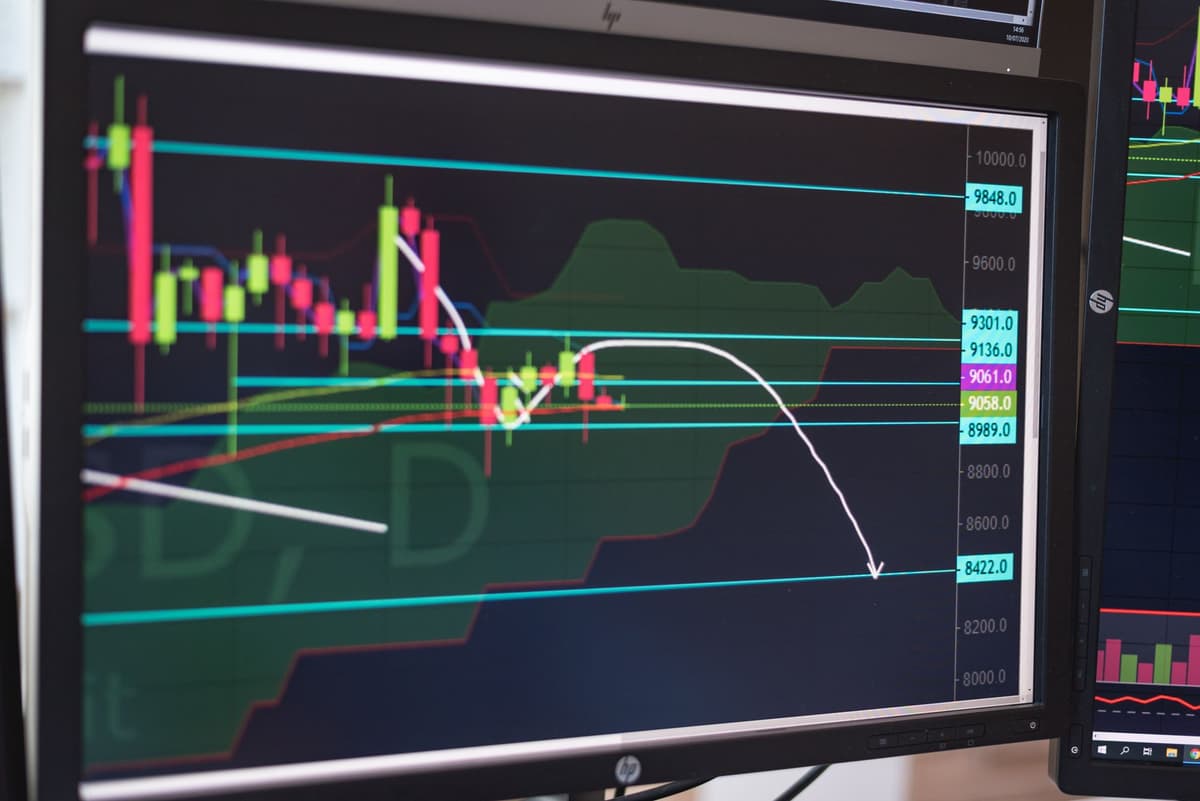
Tracking whale wallets involves monitoring large-scale on-chain movements to identify institutional positioning before it impacts price liquidity. By focusing on cluster behavior and historical transaction patterns rather than following individual trade alerts, market participants can better understand the flow of capital in the Solana ecosystem.
Understanding Whale Mechanics
Whales are not just large balance holders; they are entities capable of moving markets due to the concentration of liquidity they control. In the current 2026 landscape, institutional desks use behavioral clustering to detect these moves. Retail participants often fail because they treat a whale alert as an immediate entry signal. By the time an alert hits social media, the liquidity has often been absorbed, and the price action is already reflected in the order book.
To effectively track these movements, you must shift your focus from 'what are they buying' to 'how are they moving capital.'
1. Identify the Wallet Profile
Use a block explorer to verify if the address in question is a personal wallet, a known exchange hot wallet, or a smart contract treasury. Personal wallets often exhibit specific patterns, such as frequent interactions with decentralized exchanges, while treasury wallets remain relatively static until a major liquidation or rebalancing event occurs.
2. Analyze LP Contribution
Monitor whether the whale is providing liquidity to specific pools. If a large holder adds significant liquidity to a new token, it may indicate a long-term position rather than a short-term speculative trade. Conversely, frequent withdrawals from liquidity pools often precede a sharp decline in token price.
3. Monitor Token Concentration
Check the holder distribution list. A high percentage of tokens held by a few addresses suggests high centralization. If a whale begins to offload holdings, check the slippage impact on the current liquidity pool. If the whale's holdings exceed 5% of the total pool liquidity, their exit will inevitably cause significant price volatility.
4. Track Historical Rotation
Observe the whale's history of rotation. Does this wallet move from meme tokens to blue-chip assets consistently? Does it sell during high-volume spikes? Identifying these behavioral traits allows you to anticipate their next move based on historical consistency rather than blind trust.
Metrics for On-Chain Verification
| Metric | Significance |
| --- | --- |
| Net Flow | Difference between tokens entering and leaving the wallet |
| Holding Duration | Average time tokens are kept before a sell event |
| Correlation | How closely the wallet moves with other known whale clusters |
| Transaction Frequency | High frequency may indicate a bot; low frequency suggests manual strategy |
The Pitfalls of Copy-Trading
Blindly mimicking trades is the most common way to lose capital. When you copy a whale, you are often entering at a disadvantageous price point. You do not know their entry strategy, their risk management threshold, or their exit plan. Furthermore, some whales intentionally 'bait' the market by executing small, visible trades to create a false sense of activity before taking the opposite position with a larger, hidden wallet.
FAQ
Is it possible to predict a market dump by watching whale wallets?
Yes, by monitoring when large holders transfer assets to exchange-labeled wallets. While not a guarantee, a massive influx of tokens into centralized exchange addresses frequently precedes increased sell pressure.
How do I distinguish between a whale and a bot?
Bots typically execute high-frequency trades with very low slippage tolerance and specific gas fee patterns. Whales typically move larger amounts in fewer transactions and interact with liquidity pools in a way that suggests a broader, more strategic capital allocation.
Final Considerations
This overview serves as an architectural guide to on-chain monitoring. It is not financial advice, and it does not provide buy signals. Always verify transactions through multiple block explorers and consider the broader market context, including total volume and liquidity depth, before drawing conclusions from individual wallet activity. Success in tracking smart money requires patience, observation, and a deep understanding of how liquidity behaves under pressure.
Related posts in On-Chain & Whale Tracking
- On-Chain & Whale Tracking
Decoding Bonding Curve Metrics: A 2026 Guide to On-Chain Memecoin Analysis
Master the art of reading bonding curve metrics on Solana. Learn to identify whale accumulation, liquidity health, and migration readiness before price moves.
Memelogs
- On-Chain & Whale Tracking
Decoding Bonding Curve Metrics: A 2026 Guide to Solana Memecoin Analysis
Master the art of reading bonding curve metrics before a memecoin moves. Learn how to track whale activity, liquidity shifts, and migration risks on Solana.
Memelogs
- On-Chain & Whale Tracking
On-Chain Red Flags: How to Spot Solana Rugpulls in 2026
Learn to identify common Solana rugpull patterns in 2026. Master on-chain checks for liquidity, wallet concentration, and contract risks before you participate.
Memelogs