
Memecoin Playbook 2026: Analyzing Wallets, Liquidity, and Holder Concentration
Master the fundamentals of Solana memecoin analysis in 2026. Learn to track whale clusters, assess liquidity quality, and read holder concentration effectively.

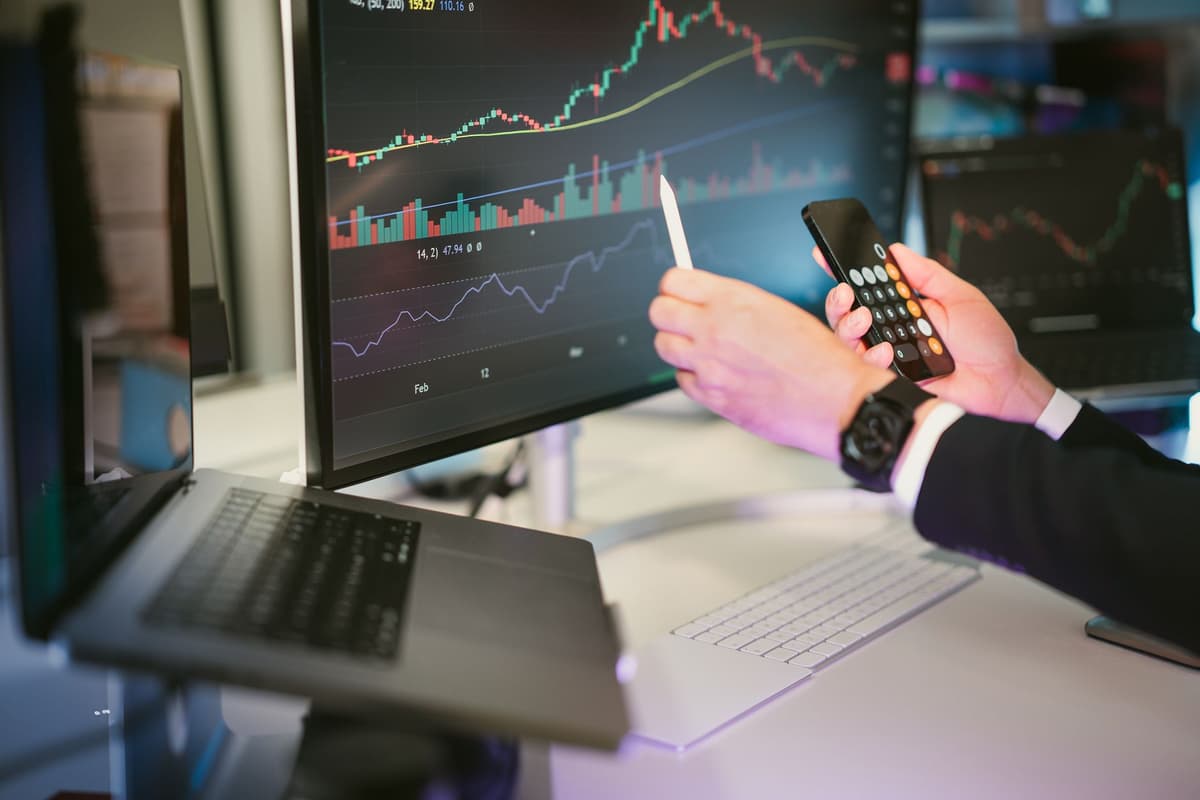
Successful memecoin analysis in 2026 relies on verifying on-chain liquidity depth, identifying early whale cluster patterns, and monitoring holder concentration to avoid sudden liquidity drain. By utilizing block explorers to inspect contract interactions and token distribution, market participants can filter out unsustainable projects before committing capital.
The 2026 Landscape
In the current Solana ecosystem, memecoins have moved from experimental assets to a high-velocity, self-sustaining industrial complex. With thousands of tokens minted daily across various launchpads, the challenge is no longer finding tokens, but filtering the noise. Success requires a disciplined approach to on-chain forensics.
What this is NOT: This is not financial advice, and these steps do not provide a signal to buy any specific asset.
Core On-Chain Metrics
1. Liquidity Depth and Permanence
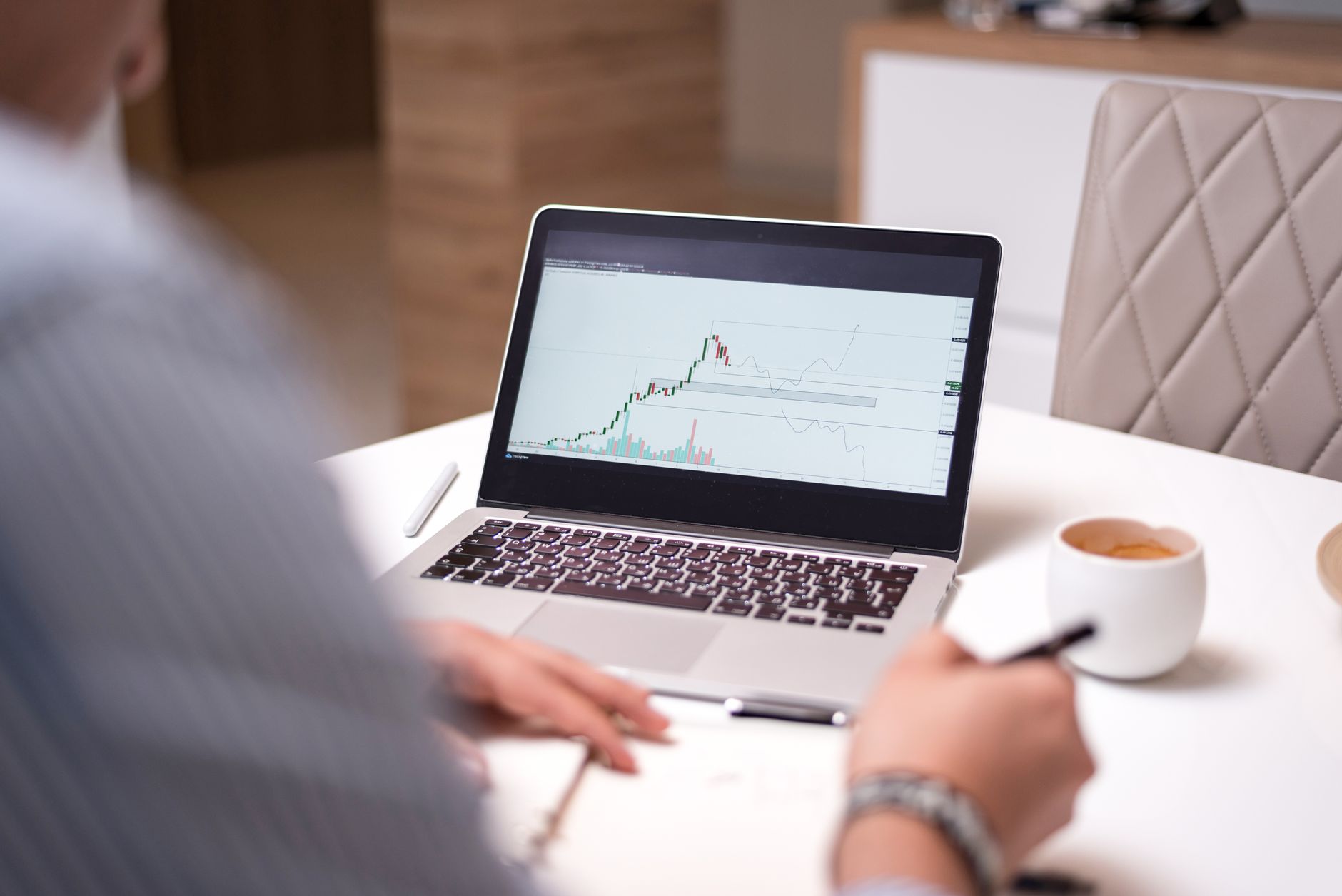
Liquidity is the backbone of any trade. In 2026, checking the liquidity pool (LP) status is the first step in any due diligence process.
1. Verify LP Burn or Lock
Check if the liquidity tokens are permanently removed from circulation. If the LP is not burned or locked in a verifiable contract, the risk of a rug pull remains at the maximum level.
2. Assess Liquidity-to-Market Cap Ratio
Analyze the ratio of liquidity to the total market capitalization. A thin liquidity pool relative to a high market cap indicates extreme slippage, making it difficult to exit positions without significantly impacting the price.
2. Holder Concentration Analysis
Concentration risk is the primary indicator of potential manipulation. A healthy token distribution suggests a distributed community, while extreme concentration exposes participants to predatory selling.
1. Identify Top 10 Wallet Clusters
Use an on-chain explorer to view the top holders. If the top 10 wallets control more than 30-40% of the supply, the token is highly susceptible to coordinated dumping.
2. Trace Deployment Funding
Observe if the deployer wallet funded multiple smaller wallets to create the illusion of organic distribution. If a cluster of wallets was funded by the same origin address shortly before launch, this is a red flag for artificial volume generation.
3. Whale Tracking Mechanics
Whale tracking is not about copying trades, but about understanding the flow of capital and identifying early rotation patterns.
1. Monitor Smart Money Movements
Look for wallets that consistently enter positions before a significant price increase and exit before major drawdowns. Focus on the timing of their entry relative to the launch window.
2. Analyze Selling Behavior
When a large holder begins to offload, track the destination of those funds. Are they moving to a centralized exchange or splitting into smaller wallets? This behavior often signals a lack of long-term conviction in the token.
Evaluating Volume and Sentiment
Volume is often spoofed on decentralized platforms. Always verify that the volume is tied to unique, active wallets rather than wash trading between two controlled addresses. Cross-reference the transaction history on the block explorer to ensure that the volume is not simply a sequence of identical buy and sell orders from the same entity.
| Metric | Warning Sign | Healthy Signal |
|---|---|---|
| Top 10 Holders | > 50% supply | < 20% supply |
| Liquidity | Unlocked/Withdrawal | Burned/Locked |
| Deployer Wallet | Funded by exchange | Funded by known entity |
| Volume | Repetitive same-size orders | Diverse wallet sizes |
FAQ
How can I tell if a token launch is a scam?
Look for tokens where the deployer holds a massive percentage of the supply or where liquidity is not locked. Additionally, if the contract contains functions that allow the creator to blacklist wallets or change transaction taxes after launch, these are clear indicators of a malicious setup.
What is the most important factor when looking at a new token?
Liquidity quality remains the most critical factor. Without sufficient, locked liquidity, a token cannot support organic price discovery. Always prioritize tokens that have migrated from launchpads to decentralized exchanges with established, non-withdrawable liquidity.
Related posts in On-Chain & Whale Tracking
- On-Chain & Whale Tracking
Decoding Bonding Curve Metrics: A 2026 Guide to On-Chain Memecoin Analysis
Master the art of reading bonding curve metrics on Solana. Learn to identify whale accumulation, liquidity health, and migration readiness before price moves.
Memelogs
- On-Chain & Whale Tracking
Decoding Bonding Curve Metrics: A 2026 Guide to Solana Memecoin Analysis
Master the art of reading bonding curve metrics before a memecoin moves. Learn how to track whale activity, liquidity shifts, and migration risks on Solana.
Memelogs
- On-Chain & Whale Tracking
On-Chain Red Flags: How to Spot Solana Rugpulls in 2026
Learn to identify common Solana rugpull patterns in 2026. Master on-chain checks for liquidity, wallet concentration, and contract risks before you participate.
Memelogs