
Tracking Solana Whale Accumulation: Identifying Early Narrative Shifts in 2026
Master the art of on-chain analysis. Learn how to monitor Solana whale activity and spot early accumulation before market narratives gain momentum in 2026.

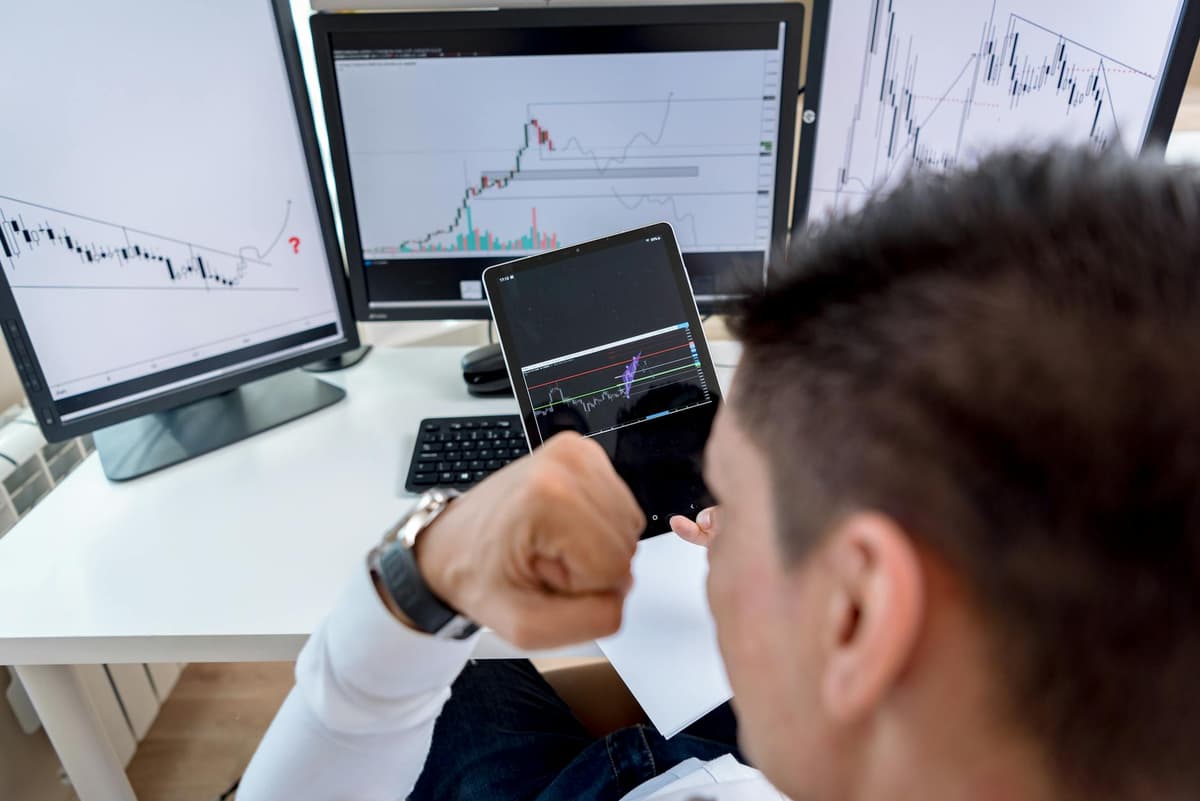
Solana whale accumulation in 2026 represents a shift in market sentiment where large capital holders increase their exposure to decentralized ecosystems despite broader volatility. By monitoring on-chain wallet clusters and liquidity concentrations, market participants can identify when institutional or high-net-worth entities begin positioning themselves ahead of broader retail adoption. This behavior typically precedes narrative heat-ups in DeFi and consumer-facing blockchain applications.
The Anatomy of Whale Accumulation
In the current market cycle, whale activity on the Solana blockchain has become a primary barometer for long-term confidence. Unlike retail participants who often react to price action, whales frequently accumulate during periods of consolidation or following sharp corrections. Tracking these movements requires moving beyond simple price charts and focusing on the underlying movement of assets across the ledger.
Whales often utilize non-custodial wallets to distribute their holdings, attempting to obfuscate their total position. However, advanced on-chain analysis allows observers to cluster these wallets by observing common funding sources or simultaneous transaction patterns. When you see multiple fresh wallets interacting with the same liquidity pools or bridging massive amounts of capital from cross-chain sources, it is often a sign of institutional preparation.
How to Track Accumulation Patterns
1. Identify Wallet Clustering
Use a block explorer to view the top 100 holders of a specific asset. Look for wallets that were created recently but show high transaction frequency and large balance growth. If five to ten wallets all received initial funding from the same centralized exchange hot wallet within a 48-hour window, they likely belong to a single entity managing a larger position.
2. Monitor Liquidity Provisioning
Check the liquidity pools associated with emerging narratives. Whales rarely trade against market depth in thin order books; instead, they provide liquidity. If you observe a significant increase in the total value locked (TVL) within a specific pool without a corresponding spike in retail volume, it suggests that a large player is preparing for future volatility or staking for yield.
3. Analyze Token Concentration
Examine the distribution of tokens across holders. A healthy accumulation phase usually shows a gradual decline in the percentage held by the top 10 wallets as tokens are dispersed into secondary accumulation wallets, rather than a sudden sell-off. This suggests the whale is holding for the long term rather than planning a quick exit.
Data Indicators Table

| Indicator | Bullish Signal | Bearish/Neutral Signal |
|---|---|---|
| Net Flow | Sustained inflow to non-exchange wallets | Net outflow to exchange deposit addresses |
| Wallet Age | Increasing number of active 30-day wallets | High activity only from legacy wallets |
| LP Depth | Increasing locked liquidity over 7 days | Decreasing liquidity with high volatility |
FAQ
Does Solana whale accumulation guarantee a price increase?
No. On-chain data reflects the positioning of market participants, not the future price. Whale accumulation can occur during long-term accumulation phases that last months, during which the asset price may remain flat or continue to decline despite the buying pressure.
How can I tell the difference between a whale and a protocol treasury?
Protocol treasuries typically interact with multi-signature contracts and have transparent, public-facing addresses. Whale wallets are usually standard private keys that exhibit more aggressive, profit-seeking behavior, such as regular participation in yield farming or rapid asset rotation.
What this is NOT
This content is for educational purposes only. It is not financial advice, not a buy signal, and does not constitute a recommendation to trade any specific asset. Always conduct your own research before interacting with any blockchain protocol.
Strategic Takeaways
Successful market participants in 2026 focus on the flow of capital rather than the noise of social media narratives. By observing where the "smart money" is parking its liquidity—specifically within the Solana ecosystem—you can align your research with the infrastructure being built for the next phase of consumer applications. Remember that whales have much longer time horizons than the average retail participant; their accumulation is a bet on the long-term utility of the network, not a trade on next week's volatility.
Related posts in On-Chain & Whale Tracking
- On-Chain & Whale Tracking
Decoding Bonding Curve Metrics: A 2026 Guide to On-Chain Memecoin Analysis
Master the art of reading bonding curve metrics on Solana. Learn to identify whale accumulation, liquidity health, and migration readiness before price moves.
Memelogs
- On-Chain & Whale Tracking
Decoding Bonding Curve Metrics: A 2026 Guide to Solana Memecoin Analysis
Master the art of reading bonding curve metrics before a memecoin moves. Learn how to track whale activity, liquidity shifts, and migration risks on Solana.
Memelogs
- On-Chain & Whale Tracking
On-Chain Red Flags: How to Spot Solana Rugpulls in 2026
Learn to identify common Solana rugpull patterns in 2026. Master on-chain checks for liquidity, wallet concentration, and contract risks before you participate.
Memelogs