
Tracking Smart Money Wallets on Solana: A 2026 Strategy
Learn how to track profitable Solana wallets in 2026 by analyzing on-chain data, PnL patterns, and liquidity flows to improve your market intelligence.

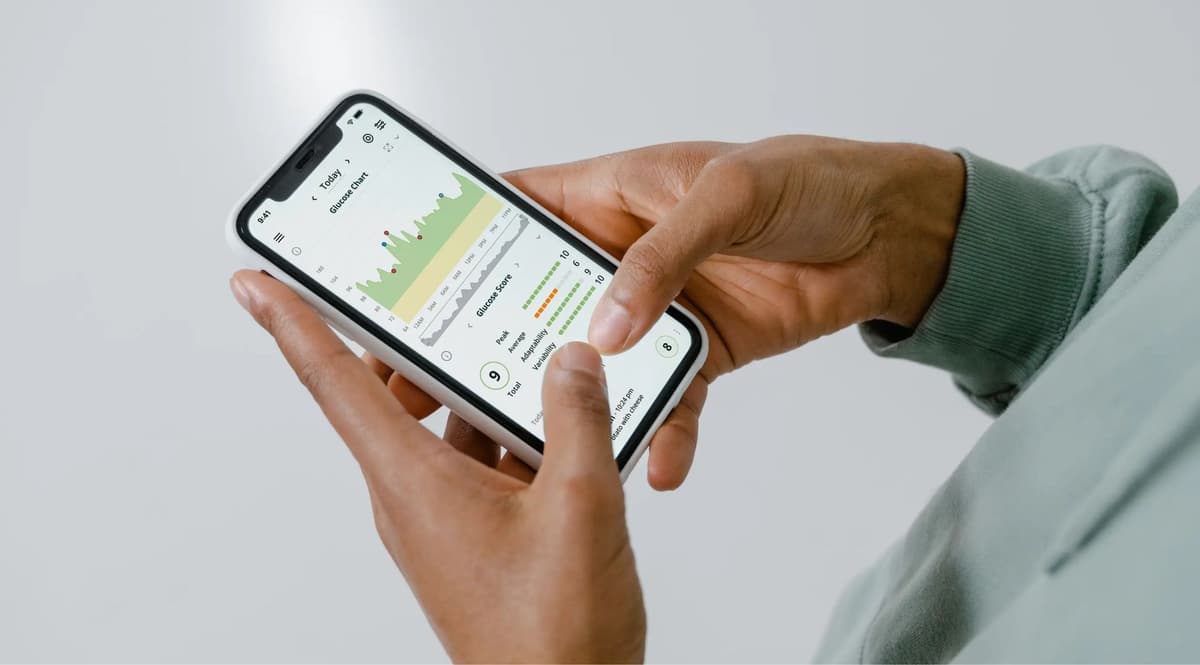
Tracking smart money on Solana involves identifying wallet addresses that consistently demonstrate high profitability and win rates across multiple token cycles. By monitoring these entities through blockchain explorers and analytical tools, participants can observe liquidity movements and early entry patterns to better understand market behavior.
The Architecture of Smart Money
In the current 2026 landscape, the definition of "smart money" has evolved beyond simple whale accounts. It now encompasses sophisticated entities, including institutional funds and automated market-making algorithms that prioritize high-ROI cycles. Tracking these actors requires a shift from watching raw token balances to analyzing historical performance and behavioral clustering.
Smart money is characterized by:
- Consistent PnL across diverse token launches.
- Early entry participation before broader market awareness.
- Strategic exit patterns that avoid liquidity traps.
How to Track Wallets: A Technical Workflow
1. Identifying Candidate Wallets
Start by utilizing blockchain explorers or specialized analytical dashboards that offer leaderboard functionality. Look for "Smart Money" labels, which are often generated by AI-powered systems that cluster addresses based on historical success rates rather than just total capital.
2. Analyzing Performance Metrics
Once you have a list of potential addresses, evaluate their performance history. Do not focus on single-trade success; instead, look for a sustained win rate over several months. A high-performing wallet should show a diversified portfolio and a clear pattern of entering positions during the initial phases of a liquidity event.
3. Monitoring Real-Time Activity
Use transaction monitoring to track when a wallet interacts with new contract addresses. Focus on:
- Liquidity Provision: Observe if the wallet provides initial liquidity, as this often indicates an insider or early-stage participant.
- Token Accumulation: Look for patterns of buying volume that correlate with price support levels.
- Exit Strategy: Watch for sell-offs that coincide with reaching specific price targets or liquidity migration events.
Data Points for On-Chain Due Diligence
| Metric | Significance |
|---|---|
| PnL History | Validates long-term success vs. luck |
| Entry Timing | Indicates access to early-stage information |
| Holder Concentration | Reveals if the wallet is part of a larger cluster |
| Volume Correlation | Shows if the wallet influences market movement |
FAQ
What is the difference between a whale and smart money?
A whale is simply an address with a large balance, while smart money is defined by a consistent, historically profitable track record. A whale may hold a position by accident or by size, but smart money typically demonstrates a disciplined approach to entry and exit timing.
Can I rely on wallet tracking to guarantee profitable trades?
No. Wallet tracking provides market intelligence and helps you understand the moves of sophisticated participants, but it is not a substitute for independent research. Past performance of an address does not guarantee future results, and following wallets blindly carries the risk of "copy-trading" into liquidity traps or exit liquidity events.
What this is NOT
This information is provided for educational purposes only and does not constitute financial advice. No part of this guide serves as a buy signal or a recommendation for any specific asset. Always conduct your own due diligence before interacting with any smart contract.
Refining Your Analysis
As you monitor these addresses, consider the concept of "entity clustering." Often, one smart money entity will operate through multiple wallets to obscure their total position size. If you notice several wallets consistently interacting with the same smart contracts or moving funds in synchronized patterns, they likely belong to a single entity. Tracking these clusters provides a more accurate picture of market sentiment than following a single address in isolation.
Related posts in On-Chain & Whale Tracking
- On-Chain & Whale Tracking
Decoding Bonding Curve Metrics: A 2026 Guide to On-Chain Memecoin Analysis
Master the art of reading bonding curve metrics on Solana. Learn to identify whale accumulation, liquidity health, and migration readiness before price moves.
Memelogs
- On-Chain & Whale Tracking
Decoding Bonding Curve Metrics: A 2026 Guide to Solana Memecoin Analysis
Master the art of reading bonding curve metrics before a memecoin moves. Learn how to track whale activity, liquidity shifts, and migration risks on Solana.
Memelogs
- On-Chain & Whale Tracking
On-Chain Red Flags: How to Spot Solana Rugpulls in 2026
Learn to identify common Solana rugpull patterns in 2026. Master on-chain checks for liquidity, wallet concentration, and contract risks before you participate.
Memelogs