
Solana Whale Accumulation: Tracking Early Capital Flows for 2026
Master the art of tracking fresh wallet accumulation on Solana. Learn how to identify whale patterns and institutional interest before market narratives heat…

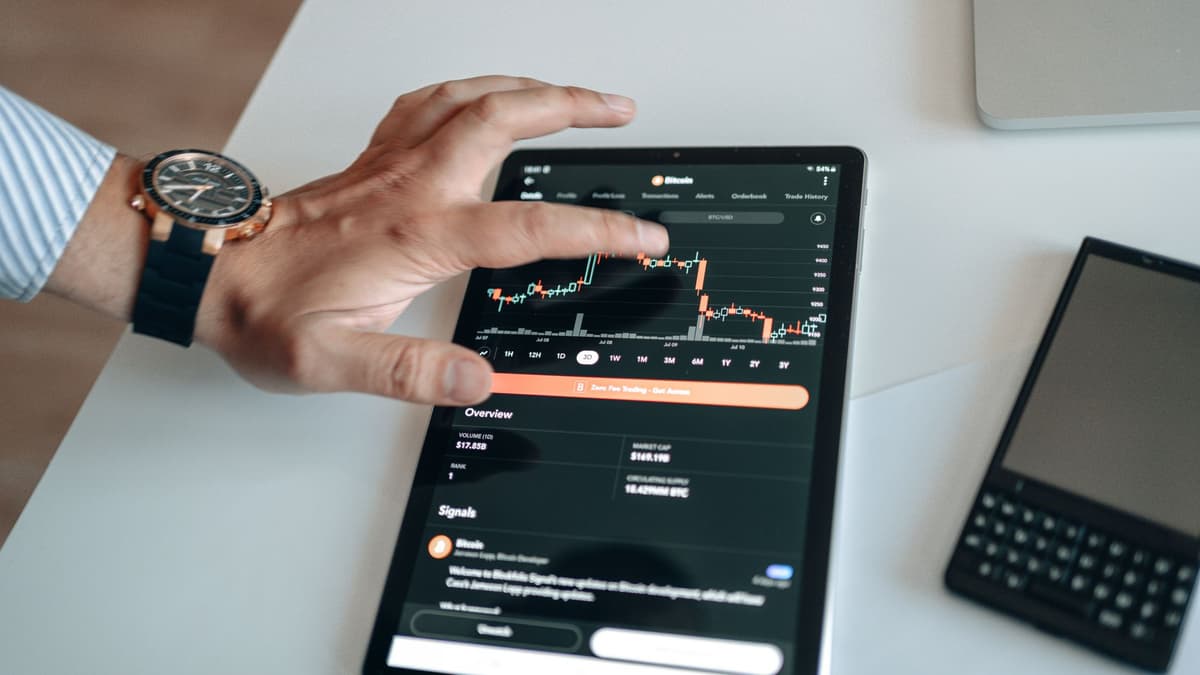
Fresh wallets accumulate by scaling positions across multiple transactions rather than single large entries, often buying into market weakness to build long-term exposure. By monitoring on-chain supply distribution and wallet clustering, market participants can identify when institutional or whale capital begins positioning itself ahead of broader narrative shifts.
The Anatomy of Accumulation
Identifying accumulation is not about finding a single 'golden' wallet. It is about recognizing a behavioral shift in how capital enters a specific token. When fresh wallets—or existing whale clusters—begin to move, they rarely signal their intent through a single, massive buy. Instead, they exhibit a methodical approach to scaling.
Smart capital tends to favor accumulation during periods of low volatility or localized price weakness. This contrasts sharply with retail behavior, which often chases green candles. In the Solana ecosystem, this is frequently visible through a series of smaller, consistent buys that cumulatively represent a significant percentage of a token's circulating supply.
How to Track Whale Movement
Tracking these movements requires a disciplined approach to on-chain data. You are looking for the 'footprints' left behind by large actors. Use a block explorer to monitor the following metrics.
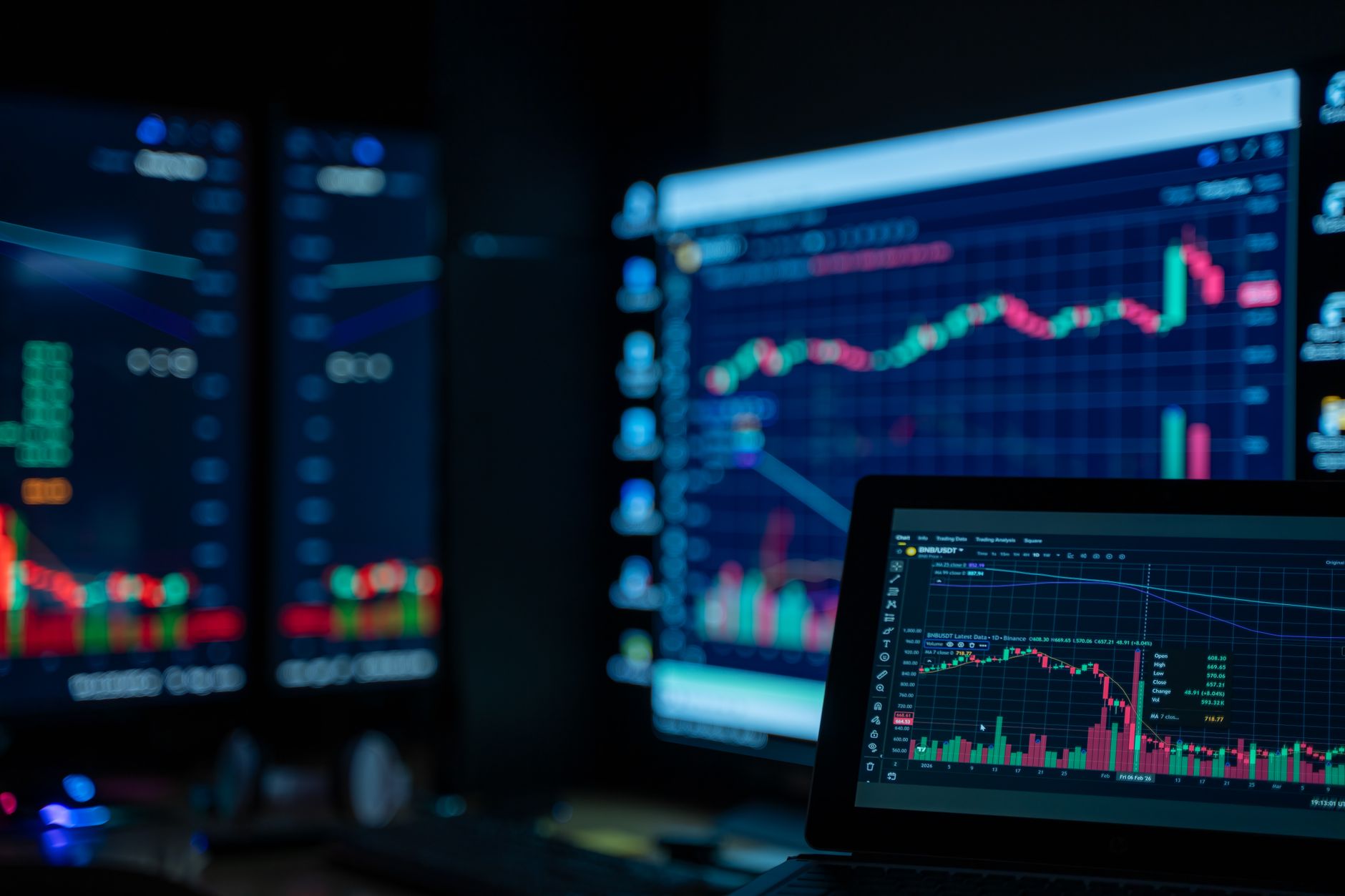
1. Identify Wallet Clustering
Look for groups of new addresses created within a similar timeframe that all interact with the same token. If five to ten wallets are funded by the same origin address and begin accumulating the same asset, this is a strong indicator of a single entity diversifying its position to avoid market impact.
2. Monitor Supply Distribution
Check the percentage of total supply held by the top 100 holders. A trend where the supply held by these wallets increases over time—even if the price remains stagnant—suggests that large stakeholders are confident in the long-term utility or narrative of the token. This is a classic sign of 'smart money' accumulation.
3. Analyze Exchange Flows
Track whether tokens are moving from centralized exchanges into self-custody wallets. A net outflow from exchanges is generally bullish, as it indicates that buyers intend to hold their assets long-term rather than keeping them ready for immediate sale.
4. Observe Scaling Patterns
Watch for wallets that increase their position size incrementally. If a wallet buys, waits, and then buys more at a lower or similar price point, it suggests a strategic accumulation phase rather than a speculative gamble. Conversely, be wary of wallets that move tokens to exchange deposit addresses, as this is often a precursor to distribution.
Understanding the 2026 Sentiment
As we move further into 2026, the Solana ecosystem has seen a marked increase in institutional interest. Data indicates that large holders are scaling their positions, viewing current volatility as a consolidation phase. This behavior is distinct from short-term market noise; it reflects a belief in the underlying growth of the ecosystem, particularly as tokenized assets and real-world usage narratives continue to gain traction.
When tracking these movements, remember that patterns are more reliable than single trades. A wallet that buys once and goes silent is noise. A wallet that interacts with liquidity pools, stakes tokens, or consistently adds to its holding over several weeks is a signal.
FAQ
Does a large wallet buying a token guarantee a price increase?
No. On-chain activity is a signal of intent, not a guarantee of future performance. Whales can be wrong, and their accumulation strategies may be based on a timeframe that is significantly longer than typical retail expectations.
What is the most reliable sign of a whale exiting a position?
Look for a combination of large, sudden transfers to centralized exchange deposit addresses and a cessation of daily on-chain activity. When a previously active wallet goes quiet after moving assets to an exchange, it is often a sign that the entity is preparing to distribute its holdings.
What this is NOT
This analysis is for informational purposes only and does not constitute financial advice, investment recommendations, or a buy signal for any specific token. Always perform your own research and assess your risk tolerance before interacting with on-chain markets.
Related posts in On-Chain & Whale Tracking
- On-Chain & Whale Tracking
Decoding Bonding Curve Metrics: A 2026 Guide to On-Chain Memecoin Analysis
Master the art of reading bonding curve metrics on Solana. Learn to identify whale accumulation, liquidity health, and migration readiness before price moves.
Memelogs
- On-Chain & Whale Tracking
Decoding Bonding Curve Metrics: A 2026 Guide to Solana Memecoin Analysis
Master the art of reading bonding curve metrics before a memecoin moves. Learn how to track whale activity, liquidity shifts, and migration risks on Solana.
Memelogs
- On-Chain & Whale Tracking
On-Chain Red Flags: How to Spot Solana Rugpulls in 2026
Learn to identify common Solana rugpull patterns in 2026. Master on-chain checks for liquidity, wallet concentration, and contract risks before you participate.
Memelogs