
Solana Liquidity Migration: Tracking On-Chain Patterns in 2026
Learn how to track liquidity migration on Solana in 2026. Master on-chain analysis techniques for DEX activity, whale movements, and capital flow patterns.


Liquidity migration on Solana in 2026 is defined by the shift of capital between decentralized exchanges like Raydium and Phoenix, often facilitated by aggregators like Jupiter. By monitoring on-chain wallet clusters and liquidity pair depth, participants can observe how capital moves from early-stage pools toward mature, high-volume order book environments.
Understanding Liquidity Migration
In the current Solana ecosystem, liquidity is rarely static. As tokens gain traction, capital often migrates from initial launch pools into deeper, more robust trading pairs. For those observing these patterns, the goal is to identify where the bulk of the ecosystem's TVL is resting and how it moves across decentralized protocols.
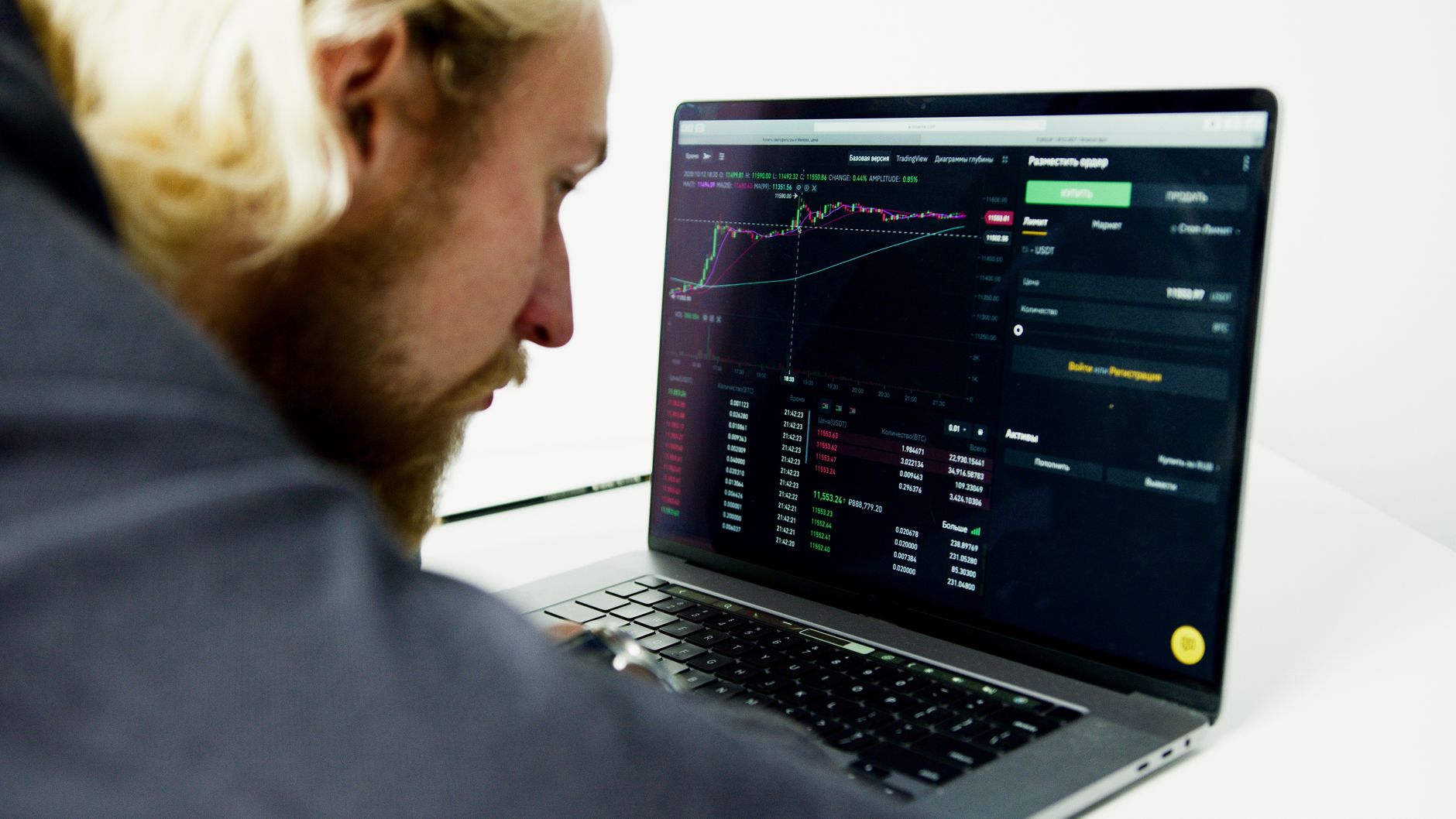
This is NOT financial advice and not a buy signal. Always conduct your own research before interacting with any on-chain smart contract.
The Mechanics of Solana DEX Flows
Solana's architecture allows for rapid settlement, which means liquidity can shift between protocols in seconds. When a new token launches, liquidity is typically thin and highly volatile. As volume picks up, market participants observe "migration" as liquidity providers move assets to platforms offering better yield or tighter spreads. Tracking these flows requires monitoring the specific smart contracts where liquidity is locked.
1. Analyze Pool Depth
Use a block explorer to check the total value locked in specific liquidity pools. A sudden drop in a pool’s depth, followed by an increase in a different protocol, often signals institutional or whale-led migration.
2. Monitor Wallet Clusters
Identify large wallets that frequently move capital in unison. These clusters often provide the initial liquidity for new pairs and move to larger DEXs once the token hits a specific market cap threshold.
3. Review Volume Aggregators
Check aggregate trading data to see which DEXs are handling the majority of the volume. High volume on a specific platform usually draws liquidity away from smaller, more fragmented pools.
Analyzing Whale Movements
Whales in the Solana ecosystem act as catalysts for liquidity migration. By tracking large on-chain transfers, observers can see when capital is being reallocated from speculative assets into more established DeFi protocols. Look for wallets that have historically interacted with major protocols like Kamino or Drift, as these entities often move in tandem with broader market trends.
| Metric | Action | Purpose |
|---|---|---|
| LP Depth | Check DEX Pool | Monitor liquidity stability |
| Whale Wallets | Trace Token Flow | Identify trend shifts |
| Swap Volume | Analyze Aggregators | Spot where the market is trading |
FAQ
What is the most effective way to identify liquidity shifts on-chain?
The most reliable method is monitoring the transaction history of known liquidity provider contracts and comparing TVL fluctuations across major DEXs. When liquidity leaves a smaller pool and appears in a larger, established pair, it indicates a migration of capital toward deeper market liquidity.
Does high trading volume always indicate healthy liquidity?
No. High volume can sometimes be wash trading or speculative churn. Always verify that the volume is supported by actual liquidity depth in the pool. If volume is high but the LP depth is low, the asset remains prone to high slippage and volatility regardless of the trading activity.
Final Considerations for On-Chain Observers
As the Solana ecosystem matures in 2026, the reliance on automated routing and professional market-making increases. Readers should focus on the underlying "plumbing" of the network—specifically how protocols like Jupiter route trades through different DEXs. By understanding the path of a trade, you gain insight into where the most efficient liquidity is currently residing. Remember that on-chain data is transparent, but interpretation is subjective. Focus on verifiable facts like contract addresses, pool balances, and historical transaction logs rather than speculation.
Related posts in On-Chain & Whale Tracking
- On-Chain & Whale Tracking
Decoding Bonding Curve Metrics: A 2026 Guide to On-Chain Memecoin Analysis
Master the art of reading bonding curve metrics on Solana. Learn to identify whale accumulation, liquidity health, and migration readiness before price moves.
Memelogs
- On-Chain & Whale Tracking
Decoding Bonding Curve Metrics: A 2026 Guide to Solana Memecoin Analysis
Master the art of reading bonding curve metrics before a memecoin moves. Learn how to track whale activity, liquidity shifts, and migration risks on Solana.
Memelogs
- On-Chain & Whale Tracking
On-Chain Red Flags: How to Spot Solana Rugpulls in 2026
Learn to identify common Solana rugpull patterns in 2026. Master on-chain checks for liquidity, wallet concentration, and contract risks before you participate.
Memelogs