
On-Chain Patterns: Tracking Whale Accumulation Before Narratives Ignite in 2026
Learn how to monitor whale accumulation and fresh wallet activity on-chain to spot emerging crypto narratives before they hit the mainstream market.

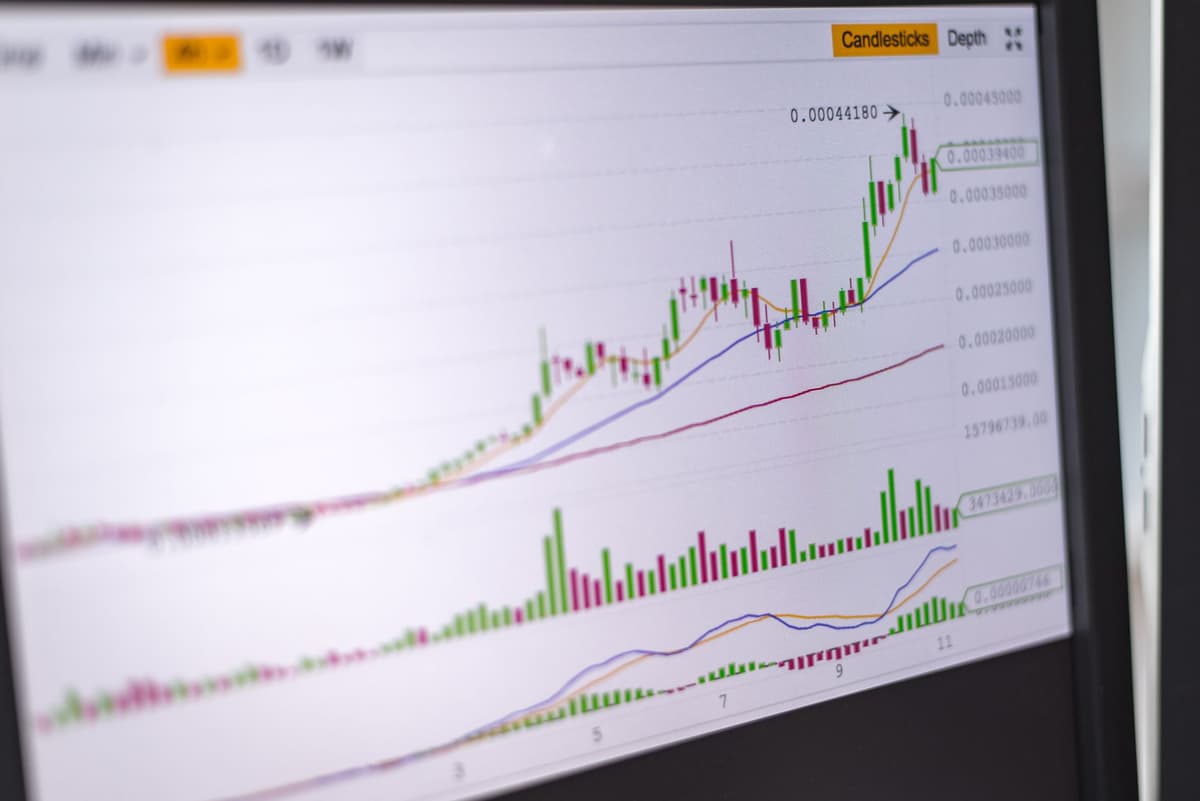
Whale accumulation is identified by tracking large-scale inflows into specific assets, often occurring during periods of market hesitation or price consolidation. By monitoring wallet clusters and on-chain flow data, participants can observe early positioning that typically precedes broader market interest. This process relies on analyzing wallet behavior rather than following price action alone.
The Architecture of Accumulation
In the current 2026 market climate, understanding where capital flows is the primary edge for those observing the Solana ecosystem. While retail sentiment often reacts to price volatility, the underlying data frequently shows large wallet holders repositioning their assets long before a narrative gains significant social buzz.
Accumulation is rarely an impulsive act. It is a calculated movement of liquidity. When large entities increase their holdings, they are often betting on the long-term utility or the evolving infrastructure of a chain. For those observing these movements, the goal is to distinguish between organic growth and temporary market noise.
How to Track Smart Money Movements
Tracking these movements requires a systematic approach to on-chain data. You are not looking for a specific token to buy; you are looking for the behavior of entities that have historically demonstrated high-conviction decision-making.
1. Identify Cluster Activity
Look for wallets that move in groups or show repetitive patterns of interaction with specific liquidity pools. These clusters often signal a coordinated effort or an institutional-grade strategy.
2. Monitor Liquidity Shifts
Check if large amounts of capital are being moved from centralized exchanges into private, non-custodial wallets. This is a classic signal of long-term holding rather than short-term speculative trading.
3. Analyze Holding Duration
Use block explorers to see how long these wallets hold their assets after purchase. Consistent accumulation without subsequent dumping is a key indicator of confidence in the underlying project or narrative.
4. Observe Ecosystem Expansion
Look for increased activity in DeFi applications or staking protocols associated with the asset. High-speed decentralized applications often attract whales who are looking to utilize their capital for yield while they hold.
Essential On-Chain Checks
When evaluating a wallet or an asset's health, focus on the following metrics to filter out the noise:
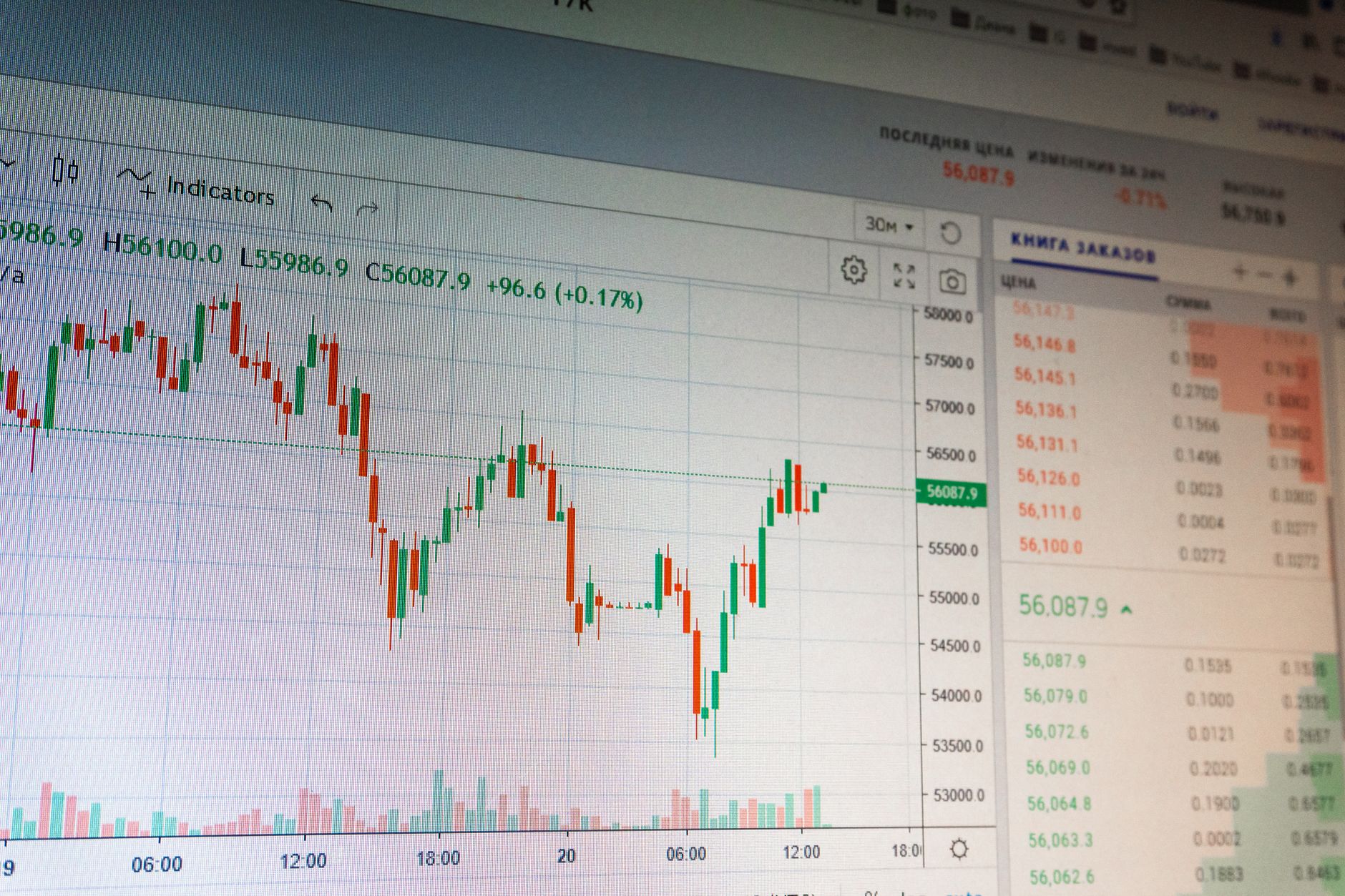
- Wallet Age: Newer wallets that suddenly receive large amounts of capital may be secondary accounts of established whales.
- Concentration Levels: Check if the top holders are increasing their percentage of the total supply or distributing it to smaller addresses.
- Transaction Frequency: High-volume, infrequent transactions often indicate institutional movement, whereas constant micro-transactions may represent bot activity.
| Metric | Purpose | Signal Strength |
|---|---|---|
| Net Inflow | Measure accumulation vs distribution | High |
| Unique Holders | Track organic adoption growth | Medium |
| LP Depth | Assess market liquidity and stability | High |
FAQ
Does whale accumulation guarantee a price increase?
No. Whale accumulation signals long-term confidence or strategic positioning, but it does not guarantee short-term price appreciation. Market conditions, macroeconomic factors, and project-specific developments can all influence price regardless of whale activity.
Where should I look to see wallet activity?
Use public blockchain explorers and on-chain analysis tools to view transaction history, top holder lists, and portfolio movements. These tools provide raw data that allows you to see exactly where assets are moving without relying on third-party sentiment.
What this is NOT
This guide is for educational purposes only. It is not financial advice, not a buy signal, and not a recommendation to participate in any specific market activity. Always conduct your own research before interacting with any blockchain protocol.
Related posts in On-Chain & Whale Tracking
- On-Chain & Whale Tracking
Decoding Bonding Curve Metrics: A 2026 Guide to On-Chain Memecoin Analysis
Master the art of reading bonding curve metrics on Solana. Learn to identify whale accumulation, liquidity health, and migration readiness before price moves.
Memelogs
- On-Chain & Whale Tracking
Decoding Bonding Curve Metrics: A 2026 Guide to Solana Memecoin Analysis
Master the art of reading bonding curve metrics before a memecoin moves. Learn how to track whale activity, liquidity shifts, and migration risks on Solana.
Memelogs
- On-Chain & Whale Tracking
On-Chain Red Flags: How to Spot Solana Rugpulls in 2026
Learn to identify common Solana rugpull patterns in 2026. Master on-chain checks for liquidity, wallet concentration, and contract risks before you participate.
Memelogs