
On-Chain Architecture: Tracking Fresh Wallet Accumulation in 2026
Master the art of on-chain monitoring. Learn how to identify early whale accumulation patterns on Solana to track emerging market narratives effectively.

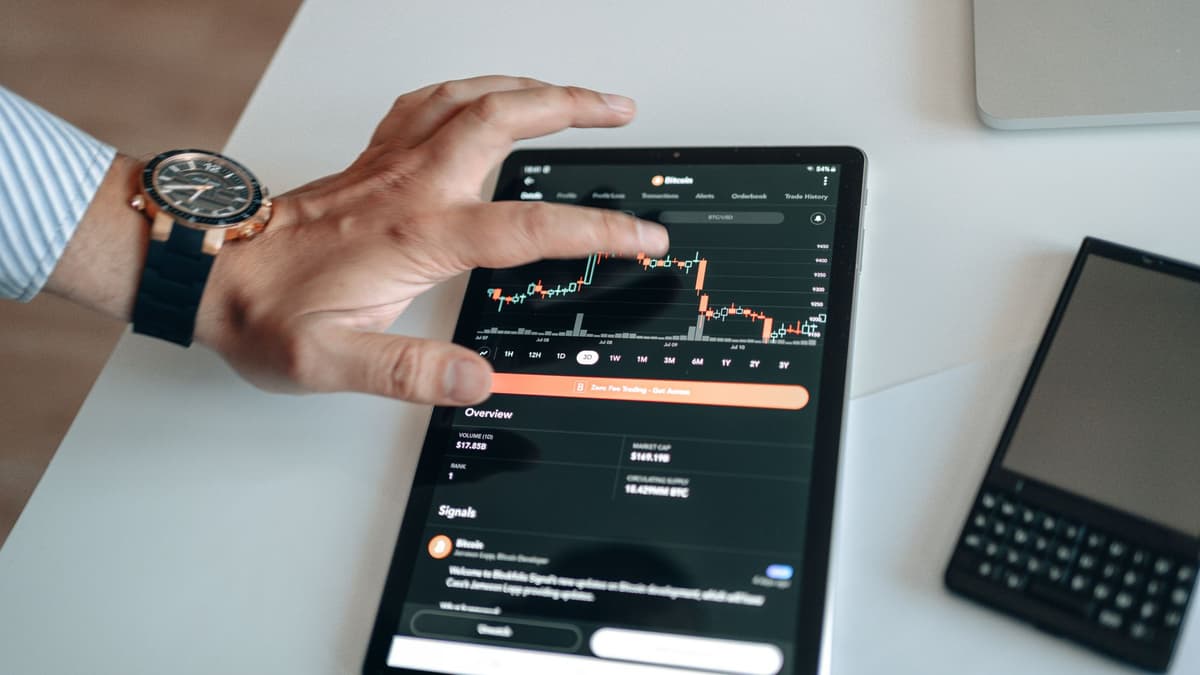
Fresh wallet accumulation is identified by monitoring clusters of new addresses moving capital into specific tokens before broad market awareness spikes. By tracking on-chain flow, such as whale concentration in Solana-based assets or RWA-focused protocols, market participants can observe institutional interest and liquidity distribution patterns before a narrative gains significant momentum.
Understanding the Whale Accumulation Lifecycle
In the 2026 market landscape, identifying where smart money positions itself requires moving beyond simple price charts. The goal is to detect the footprint left by entities that have historically demonstrated high-profitability trades. On Solana, every transaction is transparent, allowing for a deep dive into the movement of capital across the ecosystem.
Institutional influence has become a defining characteristic of recent market cycles. With Wintermute data indicating that institutional players drove a significant portion of spot flow in the first half of 2026, retail participants must learn to distinguish between general market noise and deliberate, strategic accumulation by large-scale entities.
The Anatomy of an Accumulation Pattern
Accumulation is rarely a single event; it is a series of transactions designed to minimize price impact. When tracking wallets, look for the following characteristics:
- Consistency: Multiple small to mid-sized buys over several days rather than a single massive purchase.
- Cluster behavior: Several wallets showing similar entry timing into the same contract address.
- Holding duration: Wallets that do not immediately offload assets, suggesting a longer-term conviction in the specific project narrative.
1. Analyze Wallet Clusters
Instead of looking for one “giant” wallet, identify a cluster of addresses that share similar on-chain interaction patterns. Use a blockchain explorer to verify if these wallets are interacting with the same liquidity pools or governance protocols.
2. Monitor Liquidity Pool (LP) Depth
Check if the token has sufficient liquidity to support large entries. A high ratio of LP tokens held by a few addresses can indicate centralized control, whereas a healthy, distributed LP suggests a more stable environment for accumulation.
3. Evaluate Holder Distribution
Examine the supply distribution. If the top 10% of holders control an overwhelming majority of the supply, the token is susceptible to extreme volatility. Look for projects where the number of unique holders is steadily growing alongside whale accumulation.
4. Track Narrative Alignment
Focus on sectors with real-world utility, such as Real World Assets (RWAs). Data shows that Solana has become a hub for tokenized equity, with significant growth in lending deposits and user participation. Tracking flows into these specific sectors provides a clearer picture of where the ecosystem is heading.
The Role of Institutional Data
Institutions operate differently than retail participants. Their trades are often executed via OTC desks, which may not appear instantly on a public scanner, but the subsequent movement of those assets into cold storage or staking contracts is fully visible. When you see large-scale movement from known institutional exchange addresses to private wallets, it is an indicator of a shift in market sentiment.
FAQ
What is the difference between whale accumulation and a pump-and-dump scheme?
True accumulation is characterized by gradual, consistent buying that aligns with fundamental developments, such as increased TVL or RWA integration. A pump-and-dump is usually marked by rapid, uncoordinated buying followed by a swift exit, often failing to sustain liquidity or holder growth over time.
How does RWA growth on Solana impact my tracking strategy?
As Solana continues to lead in tokenized equity volume, tracking the wallets of participants in these specific RWA protocols is vital. These users are often institutional or high-net-worth individuals, and their movement serves as a barometer for the broader adoption of on-chain finance.
What this is NOT
This content is for educational purposes only. It is not financial advice, not a buy signal, and not a recommendation to trade. On-chain data is a tool for observation, not a guarantee of future performance.
Related posts in On-Chain & Whale Tracking
- On-Chain & Whale Tracking
Decoding Bonding Curve Metrics: A 2026 Guide to On-Chain Memecoin Analysis
Master the art of reading bonding curve metrics on Solana. Learn to identify whale accumulation, liquidity health, and migration readiness before price moves.
Memelogs
- On-Chain & Whale Tracking
Decoding Bonding Curve Metrics: A 2026 Guide to Solana Memecoin Analysis
Master the art of reading bonding curve metrics before a memecoin moves. Learn how to track whale activity, liquidity shifts, and migration risks on Solana.
Memelogs
- On-Chain & Whale Tracking
On-Chain Red Flags: How to Spot Solana Rugpulls in 2026
Learn to identify common Solana rugpull patterns in 2026. Master on-chain checks for liquidity, wallet concentration, and contract risks before you participate.
Memelogs