
Altcoin Playbook 2026: Mastering On-Chain Whale Tracking and Liquidity Analysis
Master the 2026 altcoin playbook by learning to track whale wallets, evaluate liquidity pools, and assess holder concentration on-chain for smarter analysis.

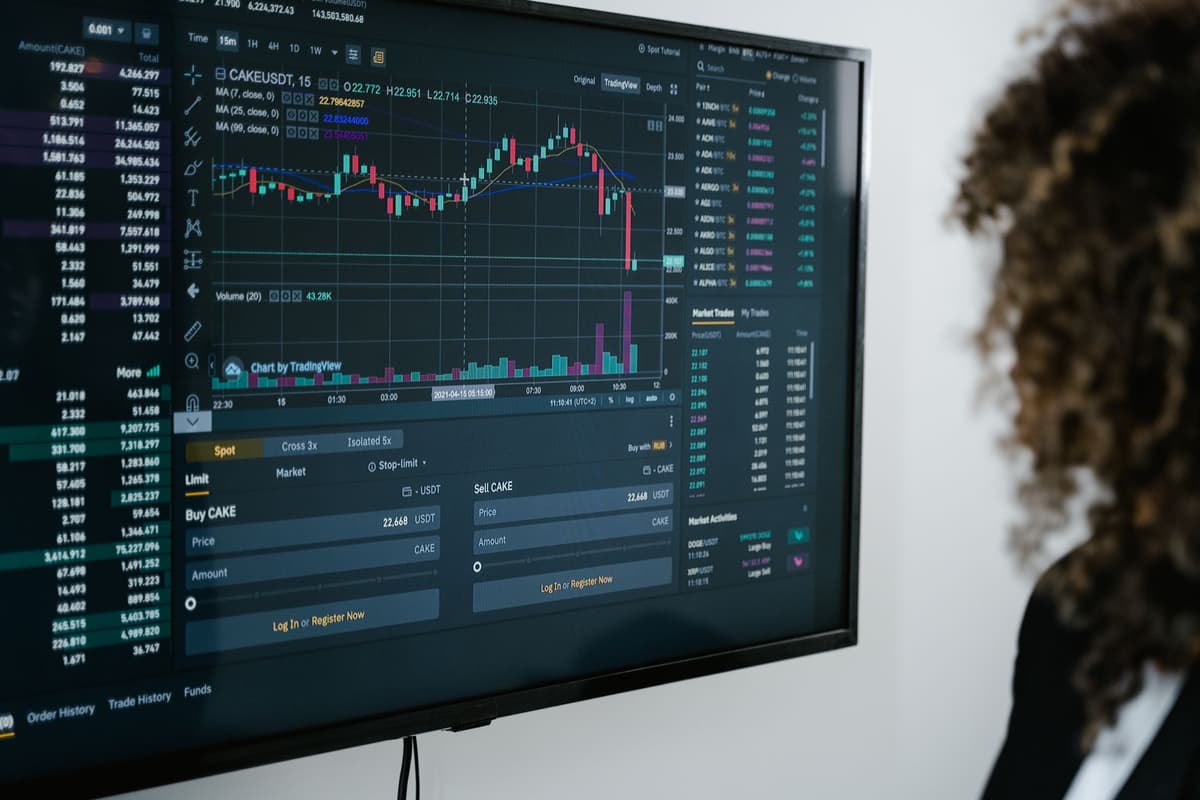
To navigate the 2026 altcoin landscape, participants must shift focus from simple holdings to tracking realized profit and loss patterns within whale wallet clusters. Success requires a disciplined audit of liquidity pool depth and holder concentration to distinguish between organic growth and artificial market activity.
The Shift in On-Chain Intelligence
The era of blindly following social sentiment is behind us. In 2026, the maturity of on-chain data allows for precise monitoring of capital flow. When analyzing memecoins or new altcoins, the goal is not to find a "hidden gem," but to identify how smart money is interacting with the underlying smart contracts and liquidity pools.
Core Indicators for Risk Assessment
- Realized PnL: Look beyond the current value of a wallet; track the actual profit captured from previous exits.
- Liquidity Residency: Verify if the LP tokens are locked or burned to prevent rug pulls.
- Concentration Ratios: Check the top 10 holders to ensure the supply is not controlled by a single entity or developer cluster.
How to Audit Whale Behavior
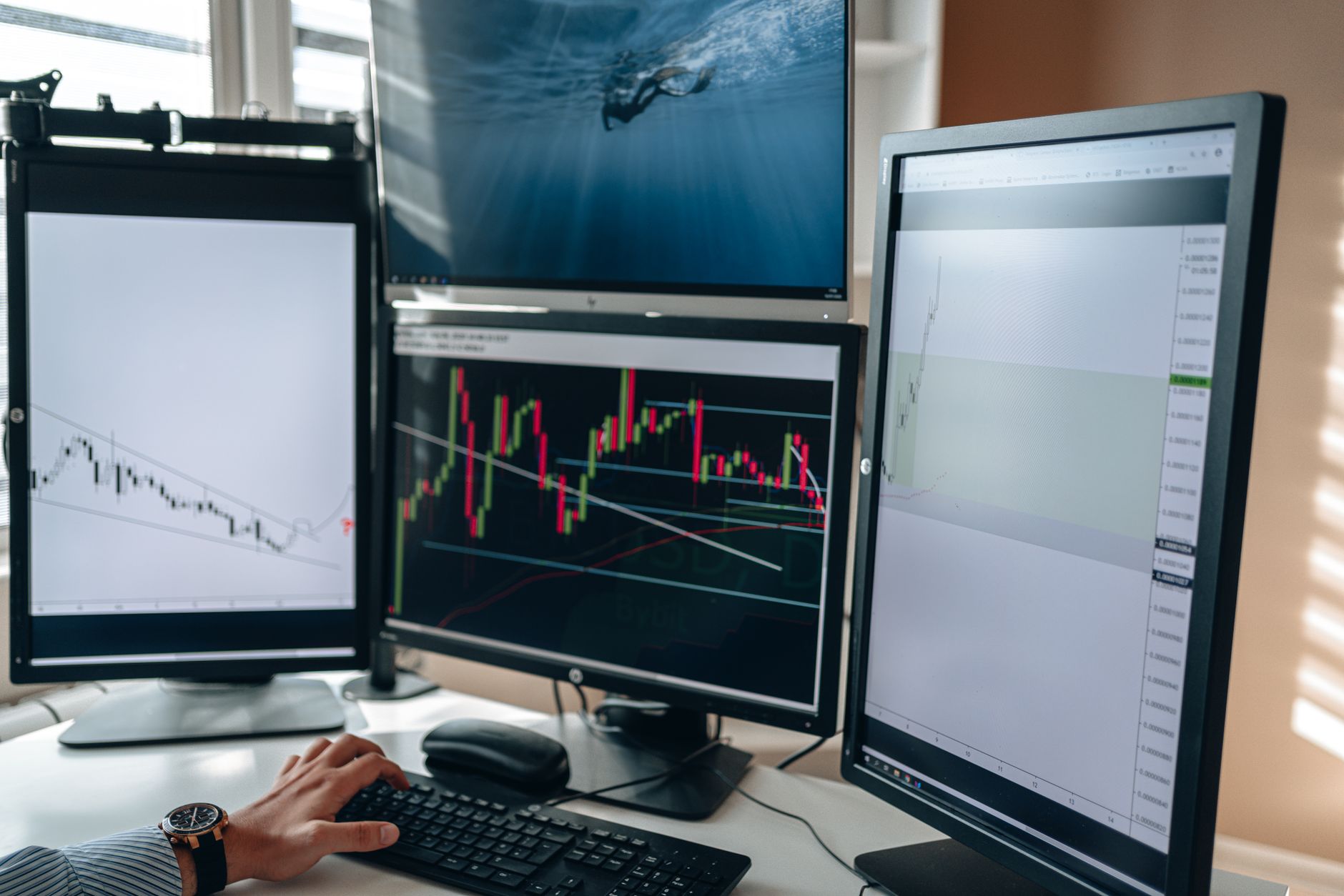
1. Identify Cluster Patterns
Use an explorer to trace the transaction history of a suspected whale. Look for consistent interaction with early-stage liquidity. If a wallet consistently enters a position at the exact moment of a liquidity migration, they are likely utilizing specialized infrastructure or automated monitoring.
2. Analyze Exit Velocity
Observe how a whale exits a position. A sophisticated participant often distributes their sell orders across multiple decentralized exchanges or aggregators to minimize price impact and avoid triggering automated "whale alert" bots.
3. Cross-Reference Transaction Timestamps
Compare the whale's entry time with the contract deployment time. If the entry is consistently within the first few blocks, the wallet is likely part of a high-frequency "sniper" cluster, which carries significantly higher risk for retail participants.
Liquidity and Holder Concentration Basics
Liquidity is the lifeblood of any memecoin. Without deep, stable pools, even small sell-side pressure can cause massive slippage. When reviewing a token, always verify the ratio of the pool size relative to the market capitalization. A low liquidity-to-market-cap ratio is a primary indicator of high volatility and potential manipulation.
Holder concentration is equally critical. Use an explorer to view the token distribution. A healthy ecosystem typically shows a wide distribution of tokens among many addresses. If a large percentage of the supply is held in a small number of wallets, the token is susceptible to coordinated dumping.
FAQ
What is the most important metric when tracking a whale wallet?
Realized Profit and Loss (PnL) is the most critical metric. Holdings represent potential value, but realized PnL shows the actual performance and behavior of an address over time, revealing if they are consistently profitable or just lucky.
How can I tell if a liquidity pool is being drained?
Monitor the contract for large, sudden withdrawals of the native asset or the paired stablecoin. If the liquidity pool size drops significantly without a corresponding increase in trading volume, it is a red flag indicating a potential liquidity exit or manipulation.
Risk Management for the Modern Participant
This is not financial advice, nor is it a buy signal. The crypto market in 2026 demands a rigorous approach to risk management. Never deploy capital that you cannot afford to lose. Always verify the contract address independently, and avoid interacting with links provided in social media comments or unsolicited messages.
Focus your efforts on understanding the "why" behind the data. When you see a whale moving funds, ask yourself what their strategy is—are they accumulating for a long-term hold, or are they setting up a liquidity exit? By asking these questions, you move from being a reactive observer to an analytical market participant.
Related posts in On-Chain & Whale Tracking
- On-Chain & Whale Tracking
Decoding Bonding Curve Metrics: A 2026 Guide to On-Chain Memecoin Analysis
Master the art of reading bonding curve metrics on Solana. Learn to identify whale accumulation, liquidity health, and migration readiness before price moves.
Memelogs
- On-Chain & Whale Tracking
Decoding Bonding Curve Metrics: A 2026 Guide to Solana Memecoin Analysis
Master the art of reading bonding curve metrics before a memecoin moves. Learn how to track whale activity, liquidity shifts, and migration risks on Solana.
Memelogs
- On-Chain & Whale Tracking
On-Chain Red Flags: How to Spot Solana Rugpulls in 2026
Learn to identify common Solana rugpull patterns in 2026. Master on-chain checks for liquidity, wallet concentration, and contract risks before you participate.
Memelogs