
Why Logging Every Trade Reduces FOMO in the 2026 Memecoin Market
Discover how a rigorous journaling habit turns impulsive memecoin speculation into a disciplined process, helping you master FOMO and protect your capital.


Logging every trade forces you to confront the reality of your decision-making process, effectively stripping away the emotional veil of fear and greed. By recording your thesis, emotional state, and exit strategy before the action, you transform reactive gambling into a repeatable, data-driven framework that minimizes the impact of market volatility.
The Psychology of the 2026 Memecoin Landscape
In 2026, the memecoin market remains one of the most volatile segments of the broader crypto ecosystem. With infrastructure like Solana enabling near-instant transactions and high-speed execution, the barrier to entry has never been lower. However, this speed is a double-edged sword. When trades happen in milliseconds, the space for thoughtful analysis shrinks, and the pressure to participate in the latest viral narrative increases. This is where the Fear of Missing Out, or FOMO, thrives.
FOMO is not just a feeling; it is a behavioral trap. It pushes market participants to enter positions without a plan, ignore liquidity risks, and chase green candles that are often nearing their inevitable reversal. The goal of a professional approach is not to eliminate emotion entirely—that is humanly impossible—but to build a system that prevents emotion from dictating the size and timing of your activity.
Why Logging is Your Primary Defense
Many participants view journaling as an administrative burden, yet it is the only tool that bridges the gap between a "lucky win" and a "sustainable process." When you log a trade, you are forced to externalize your internal monologue. You stop being the participant who is "feeling" a move and start being the observer who is "analyzing" a hypothesis.
The Anatomy of a High-Quality Journal Entry
To be effective, your journal must capture more than just the profit or loss. It needs to reflect the "why" behind the entry. Consider tracking these six fields for every transaction:
- Thesis: What is the specific narrative or technical signal that justified this trade?
- Size: How much capital is at risk relative to your total allocation?
- Emotion: How did you feel at the moment of entry (e.g., calm, anxious, excited, pressured)?
- Exit Rule: What is your predetermined condition for selling, regardless of price action?
- Outcome: Did the market move as predicted, or was the thesis invalidated?
- Lesson: What is one thing you would change about your execution if you could repeat this moment?
Moving Beyond Reactive Behavior
When you start reviewing your logs, you will likely notice patterns you would have otherwise missed. You might find that your most successful trades happen when you enter based on a pre-planned narrative, while your biggest losses correlate with trades made during moments of high anxiety or while scrolling social media. This realization is the death of FOMO. Once you see the pattern, you can no longer ignore the cost of your impulses.
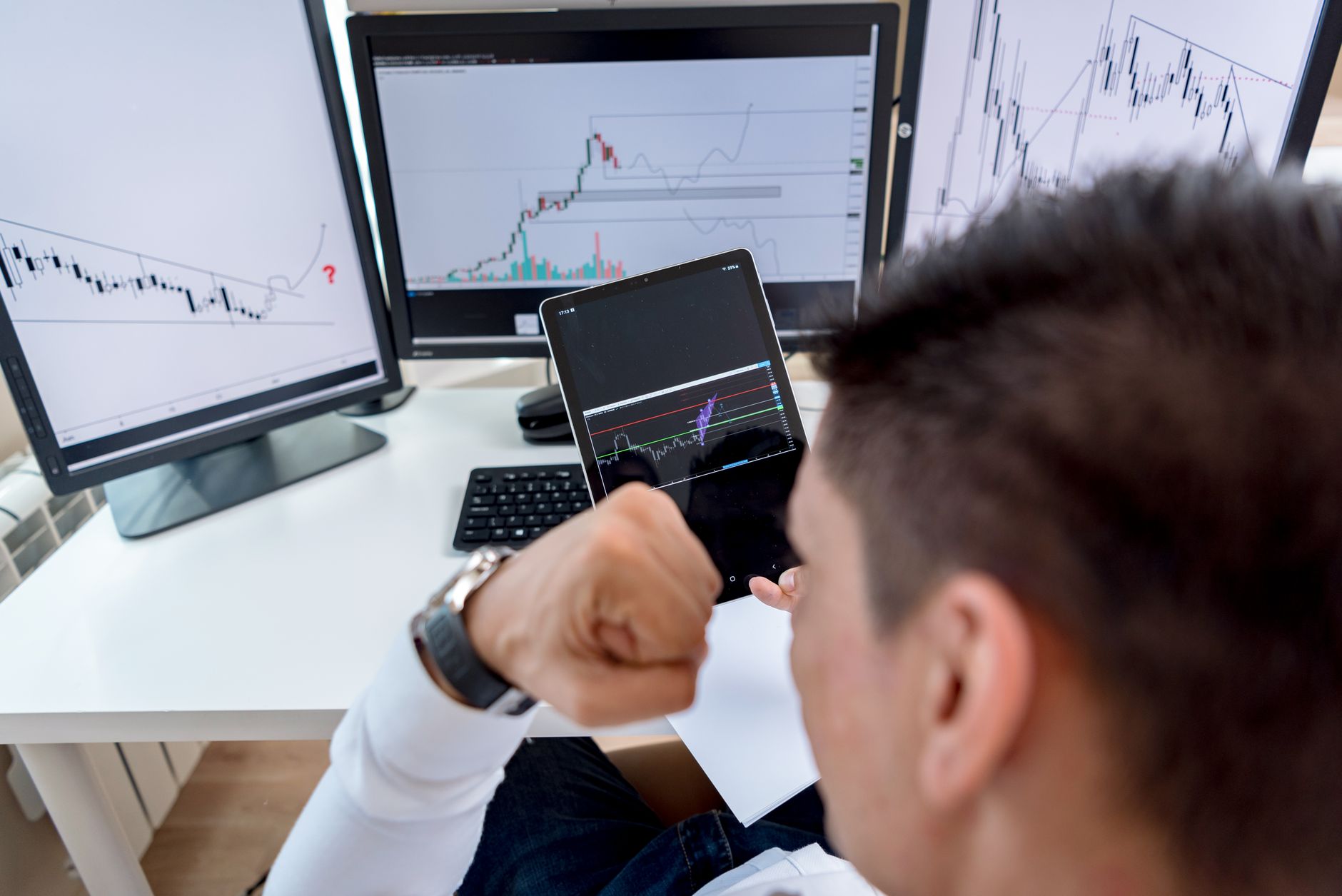
1. Define your risk tolerance before the session starts
2. Write down your exit strategy for both profit and loss
3. Log the trade immediately after execution to capture raw intent
4. Review your weekly logs to identify emotional triggers
FAQ
Does logging every small trade actually make a difference in performance?
Yes. Tracking even minor trades helps you visualize the cumulative impact of small losses that often go ignored. It reveals the reality of your win rate and helps you realize if your strategy is actually net-positive or if you are slowly eroding your capital through frequent, poorly planned entries.
How can I stop myself from trading when I feel a strong sense of FOMO?
Refer to your journal before you click the buy button. If you cannot articulate a clear, logical thesis that fits your predefined risk parameters, you are likely trading on emotion. Using a physical or digital template to force a "cooling off" period can provide the mental space needed to step back from the screen.
Risk Awareness Disclaimer
Memecoin trading involves extreme risk. Liquidity can vanish, sentiment can reverse instantly, and the majority of speculative tokens lose their value. The information provided here is for educational purposes only and does not constitute financial advice. Never invest more than you are prepared to lose entirely. Always conduct your own research and maintain strict control over your risk management practices.
Related posts in Memecoin Market Analysis
- Memecoin Market Analysis
Solana Wins in 2026: Why Your Best Trades Are Your Most Dangerous Moments
A Solana win in 2026 feels like destiny, but success is the greatest risk to your process. Learn how to journal post-profit to protect your capital.
Memelogs
- Memecoin Market Analysis
Memecoin Trading Post-Mortem: Lessons from the 2026 Market Contraction
Analyzing a memecoin loss in 2026 requires more than checking charts. Learn how to journal your emotional process and structural risks to improve your strategy.
Memelogs
- Memecoin Market Analysis
Shiba Inu and the 2026 Memecoin Cycle: A Reflective Market Analysis
Analyzing the 2026 Shiba Inu market cycle through a lens of emotional discipline, risk management, and the realities of memecoin volatility.
Memelogs