
Memecoin Trading Post-Mortem: Lessons from the 2026 Market Contraction
Analyzing a memecoin loss in 2026 requires more than checking charts. Learn how to journal your emotional process and structural risks to improve your strategy.

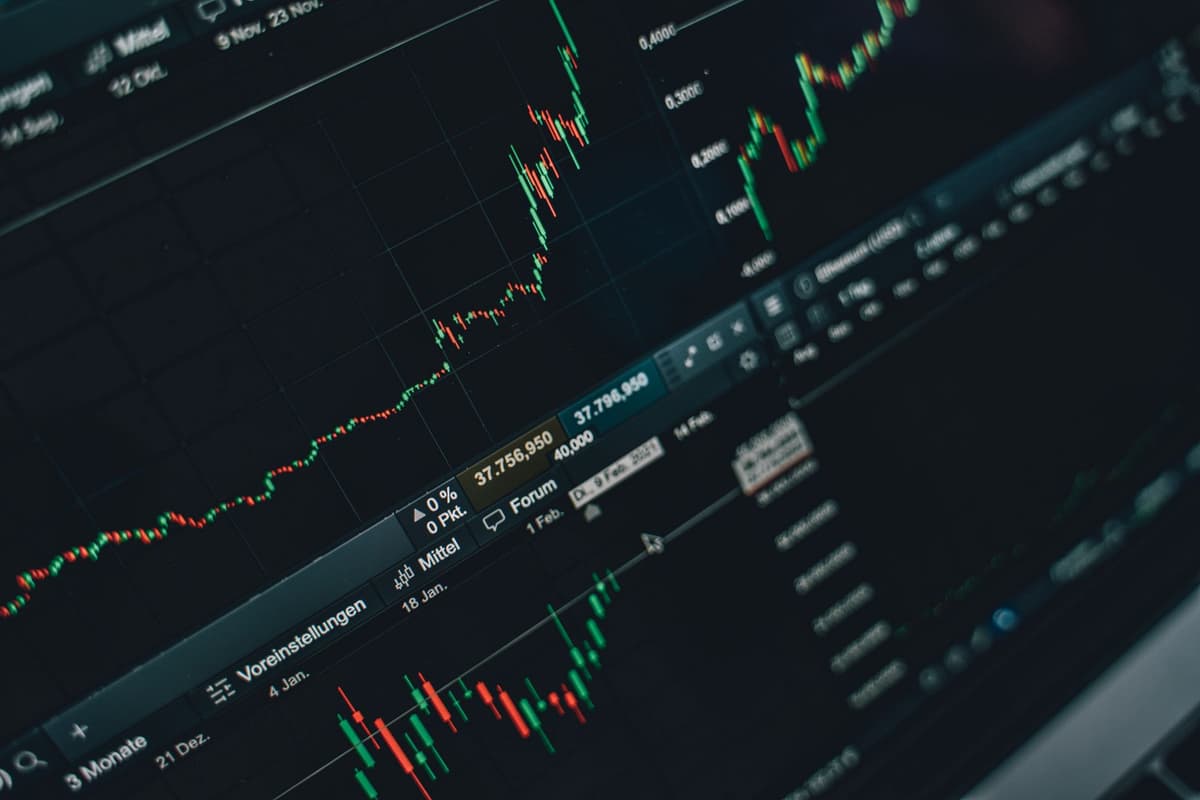
A memecoin post-mortem is a forensic review of your decision-making process, specifically focusing on why a position failed despite your initial thesis. By logging your emotional state and the structural context of the market—such as the broader decline in Solana DEX volume—you can identify behavioral biases that lead to avoidable losses in volatile environments.
The Anatomy of a 2026 Loss
Looking back at my recent losses, the primary culprit wasn't just the market downturn; it was my failure to adjust to a changing environment. In early 2026, the memecoin sector saw its total market value drift toward $24.5 billion, a stark contrast to the liquidity we saw in previous years. When I analyze my journal entries from this period, I see a recurring pattern: I was trading as if the liquidity of 2024 still existed, ignoring the reality that daily active users on platforms like Pump.fun had dropped significantly from their peak.
My journal revealed that I was caught in the 'hope trap.' I entered a position based on a familiar setup, but I failed to account for the structural weakness in Solana’s DEX dominance. When the charts started breaking down, my emotional notes showed clear signs of denial. I wasn't just losing capital; I was losing touch with the macro-narrative of the network itself.
Why Your Journal is Your Best Risk Management Tool
Most participants view a journal as a place to track PnL, but that is a mistake. A true architectural journal at MemeLogs focuses on the why behind the what. If you aren't logging your emotional state, you are missing the most important variable in your trading performance.

The Post-Mortem Checklist
To perform a useful audit of a failed trade, use this structured approach to review your entries:
- Thesis Validation: Was the trade based on a verifiable catalyst or merely a sentiment-driven impulse?
- Structural Context: Did I check the broader market health, such as current Solana DEX dominance metrics, before entering?
- Emotional Baseline: Was I feeling FOMO or anxiety at the moment of execution?
- Exit Discipline: Did I follow my pre-defined exit rules, or did I move my stop-loss because I was emotionally attached to the outcome?
- Market Reality Check: Did the token perform as expected, or did the sector-wide trend overwhelm my specific thesis?
FAQ
How do I account for sector-wide crashes in my personal journal?
When the broader market experiences a significant drawdown, your journal should reflect a transition from 'opportunity-seeking' to 'risk-mitigation.' Note the correlation between your specific token and the sector's total value. If the entire category is trending down, your log should explicitly state that you are reducing position sizes to protect capital.
What should I prioritize when analyzing my emotional state during a loss?
Focus on the gap between your 'planned action' and your 'actual execution.' If you find that you consistently ignore your stop-loss during periods of high volatility, your journal is telling you that your current risk parameters are not aligned with your psychological comfort zone. Record the physical sensation of stress during the trade; it is often a leading indicator of poor decision-making.
Building a Sustainable Process
Trading in 2026 requires a level of stoicism that was unnecessary during the speculative peaks of previous years. The market is no longer forgiving of structural errors. By documenting your process—not just the results—you turn every loss into a data point. When you revisit these entries, do not look for ways to 'win' the next trade; look for ways to refine your filter for high-probability setups.
Remember that the memecoin market is highly volatile and carries significant risk of total capital loss. This analysis is for educational purposes only and does not constitute financial advice. Always conduct your own research and never trade with money you cannot afford to lose. The goal of journaling is to build a resilient mindset capable of surviving the heat death of speculative fads and navigating the consolidation phases that define the current market cycle.
Related posts in Memecoin Market Analysis
- Memecoin Market Analysis
Solana Wins in 2026: Why Your Best Trades Are Your Most Dangerous Moments
A Solana win in 2026 feels like destiny, but success is the greatest risk to your process. Learn how to journal post-profit to protect your capital.
Memelogs
- Memecoin Market Analysis
Shiba Inu and the 2026 Memecoin Cycle: A Reflective Market Analysis
Analyzing the 2026 Shiba Inu market cycle through a lens of emotional discipline, risk management, and the realities of memecoin volatility.
Memelogs
- Memecoin Market Analysis
Building a Pre-Trade Checklist for Solana Memecoin Setups in 2026
Master your Solana memecoin process in 2026 with a disciplined pre-trade checklist. Learn to manage risks, verify tokens, and journal for long-term growth.
Memelogs