
On-Chain Tracking Guide: Mastering Solana Analysis in 2026
Master Solana memecoin analysis with our 2026 guide. Learn to audit contracts, verify liquidity, and build a trading journal to manage your market risks.

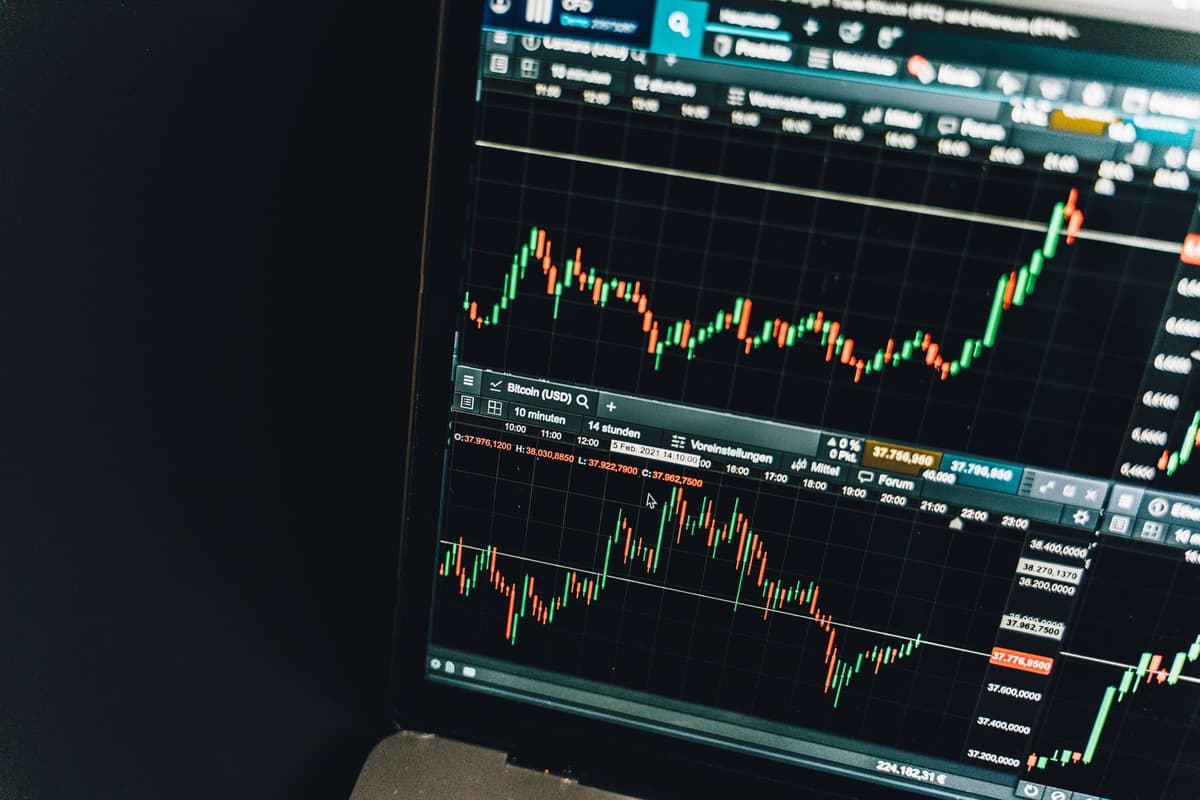
Mastering Solana analysis in 2026 requires shifting focus from rapid execution to rigorous pre-trade verification. By using on-chain tools to audit contract security, liquidity depth, and holder distribution, market participants can filter out unsustainable projects and focus on tokens with measurable, transparent activity.
The Evolution of Solana Trading
Trading in 2026 feels different than it did just a few years ago. With over 11 million tokens launched on the network, the sheer volume of noise makes it easy to lose capital in minutes. I remember early in my journey, I would see a ticker moving and jump in without checking a single contract detail. The result? A series of rapid losses that felt like a tax on my impatience. The reality of the Solana ecosystem is that it is incredibly fast, but that speed is a double-edged sword. If you don't slow down to look at the data, you are essentially gambling against sophisticated bots and malicious developers.
Why Pre-Trade Analysis Outweighs Speed
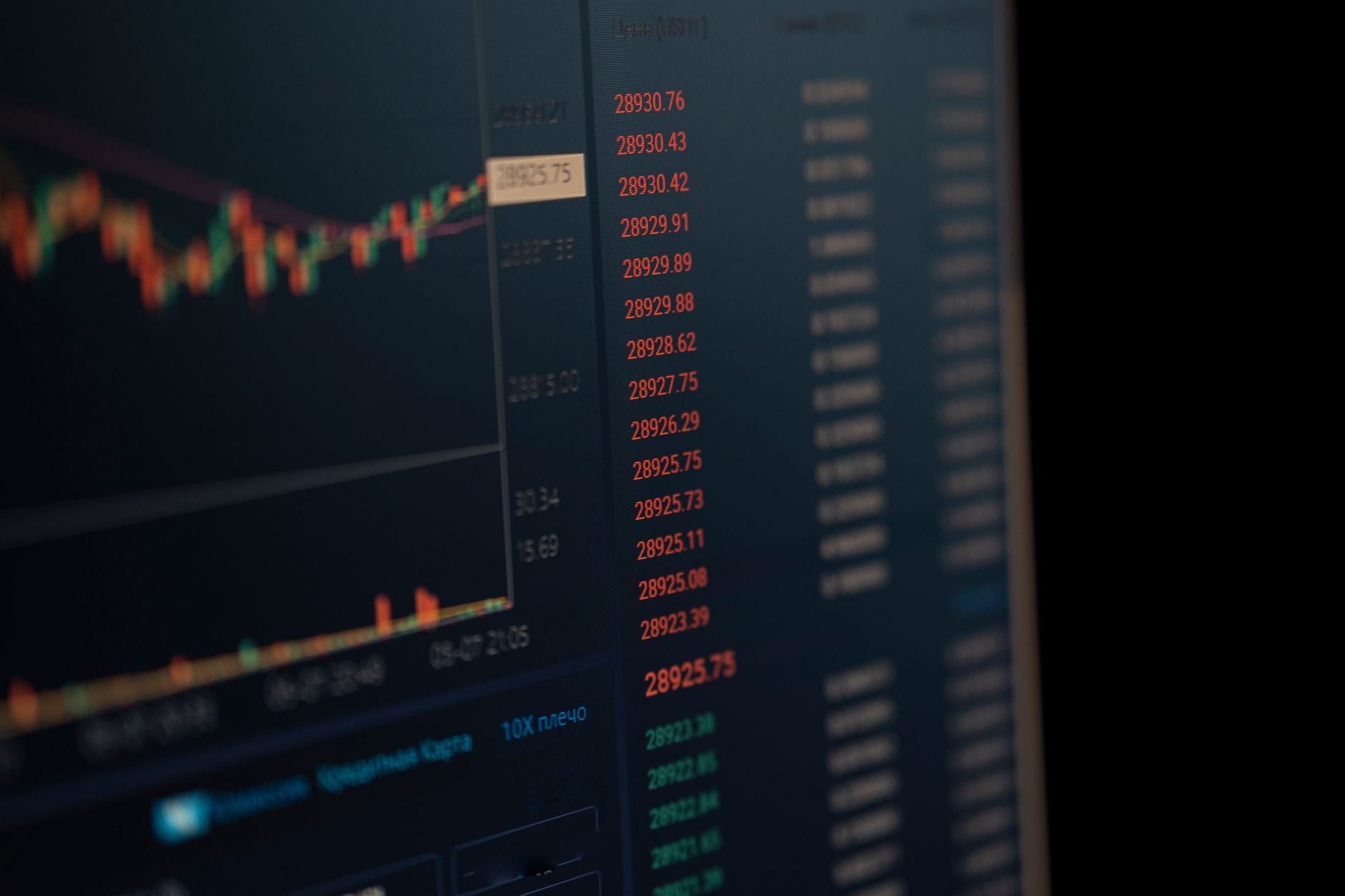
Many retail participants mistakenly believe that having the fastest execution tool is the key to profitability. While latency matters, the most significant edge comes from the ability to identify a 'rug' or a liquidity trap before the trade is placed. Analysis is your primary defense. When you look at a token, you aren't just looking at price action; you are looking at the underlying architecture. Is the liquidity locked? Are the developer wallets dumping into the public? These are not questions you can answer by watching a price chart alone.
Essential On-Chain Checklist
Before entering any position, I force myself to run through this mental or written checklist. If a token fails any of these steps, I walk away, regardless of how much 'hype' it has on social media.
1. Contract Security Audit
Check if the contract has custom transfer hooks or hidden minting functions. Scrutinize the code for any backdoors that allow the developer to freeze tokens or change tax structures.
2. Liquidity Health
Verify that the liquidity pool is sufficient to handle your entry and exit without excessive slippage. Ensure that the liquidity is not just volatile but stable enough to support trading volume.
3. Holder Distribution
Look at the top wallet clusters. If the top 10 holders own a massive percentage of the supply, you are at risk of a coordinated dump. A healthy token typically has a widely distributed base of holders.
4. Developer Activity
Track the behavior of wallets associated with the deployer. If you see funds moving from the deployer wallet to centralized exchanges, it is often a signal of intent to exit the project.
The Discipline of the Journal
I have found that the most successful market participants aren't the ones with the most expensive tools, but the ones with the best journals. Journaling isn't just about recording what you bought; it is about documenting your state of mind. When I look back at my losing trades, I rarely see a lack of data. I see a lack of emotional control. I saw the red flags, but I ignored them because I was chasing a quick gain.
Recommended Journaling Fields
- Date and Time: When did the trade occur?
- Thesis: Why did I believe this token had potential?
- Size: How much capital did I allocate, and was it appropriate for my risk tolerance?
- Emotion: How did I feel during the entry? Was it excitement, fear, or boredom?
- Exit Rule: What was the plan to exit before I even entered?
- Outcome: Did the trade match the thesis?
- Lesson: What is one thing I could do differently next time?
FAQ
Is Solana a safe environment for retail participants?
Solana offers high-speed, low-cost transactions, but the speed of the network means that errors are irreversible. It is technically safe as a protocol, but the memecoin market is highly volatile and prone to scams; therefore, safety depends entirely on your ability to perform independent due diligence.
How can I identify a suspicious developer cluster?
Look for patterns where multiple wallets were funded by the same source wallet shortly before the token launch. If these wallets trade in unison or consistently hold large portions of the supply, it suggests a centralized effort to manipulate the price.
Risk Disclaimer
This guide is for educational purposes and does not constitute financial advice. Trading memecoins on Solana involves substantial risk of loss. The market is volatile, and many tokens lose all value. Never invest money you cannot afford to lose. Always perform your own research and consider the risks of decentralized finance before interacting with any smart contract. Your capital is at risk, and past performance is never indicative of future results.
Related posts in Memecoin Market Analysis
- Memecoin Market Analysis
Solana Wins in 2026: Why Your Best Trades Are Your Most Dangerous Moments
A Solana win in 2026 feels like destiny, but success is the greatest risk to your process. Learn how to journal post-profit to protect your capital.
Memelogs
- Memecoin Market Analysis
Memecoin Trading Post-Mortem: Lessons from the 2026 Market Contraction
Analyzing a memecoin loss in 2026 requires more than checking charts. Learn how to journal your emotional process and structural risks to improve your strategy.
Memelogs
- Memecoin Market Analysis
Shiba Inu and the 2026 Memecoin Cycle: A Reflective Market Analysis
Analyzing the 2026 Shiba Inu market cycle through a lens of emotional discipline, risk management, and the realities of memecoin volatility.
Memelogs