
Solana Wins in 2026: Why Your Best Trades Are Your Most Dangerous Moments
A Solana win in 2026 feels like destiny, but success is the greatest risk to your process. Learn how to journal post-profit to protect your capital.


A win in the Solana ecosystem often leads to overconfidence, which can cause market participants to ignore network risks, valuation bubbles, or sudden liquidity shifts. Journaling after a profit is essential to strip away the dopamine-fueled bias and objectively audit whether the trade was a result of a repeatable strategy or mere luck in a volatile market.
The Danger of the Solana Win
In the current 2026 market climate, Solana has solidified its position as a high-throughput leader, but this comes with unique structural risks. When you experience a significant win on a memecoin or a protocol-native token, your brain immediately rewires itself to associate the outcome with your own genius. This is the moment where the most damage is done.
Memecoin markets are notoriously reflexive. When Solana hits record highs or sees massive inflows, the temptation to size up becomes overwhelming. However, historical data reminds us that network instability, potential outages, and sudden liquidity crunches remain a constant threat. A win often blinds you to the fact that you were riding a wave of speculative mania rather than a sound technical thesis. If you don't journal the 'why' behind the 'win,' you are simply gambling with extra capital.
Why Post-Win Journaling is Non-Negotiable
Most participants only journal when they lose. This is a fundamental error. When you lose, you are looking for a reason to blame the market. When you win, you are looking for an excuse to praise your ego. Neither state leads to professional growth.
1. Analyze the Thesis vs.
The Outcome
Did the token move because your technical analysis was correct, or because the broader Solana market surged? If you bought a memecoin and it tripled, but the entire ecosystem was up 20%, you didn't 'win' as much as you participated in a beta move. Distinguishing between alpha and beta is the difference between a career and a temporary streak.
2. Audit Your Emotional State
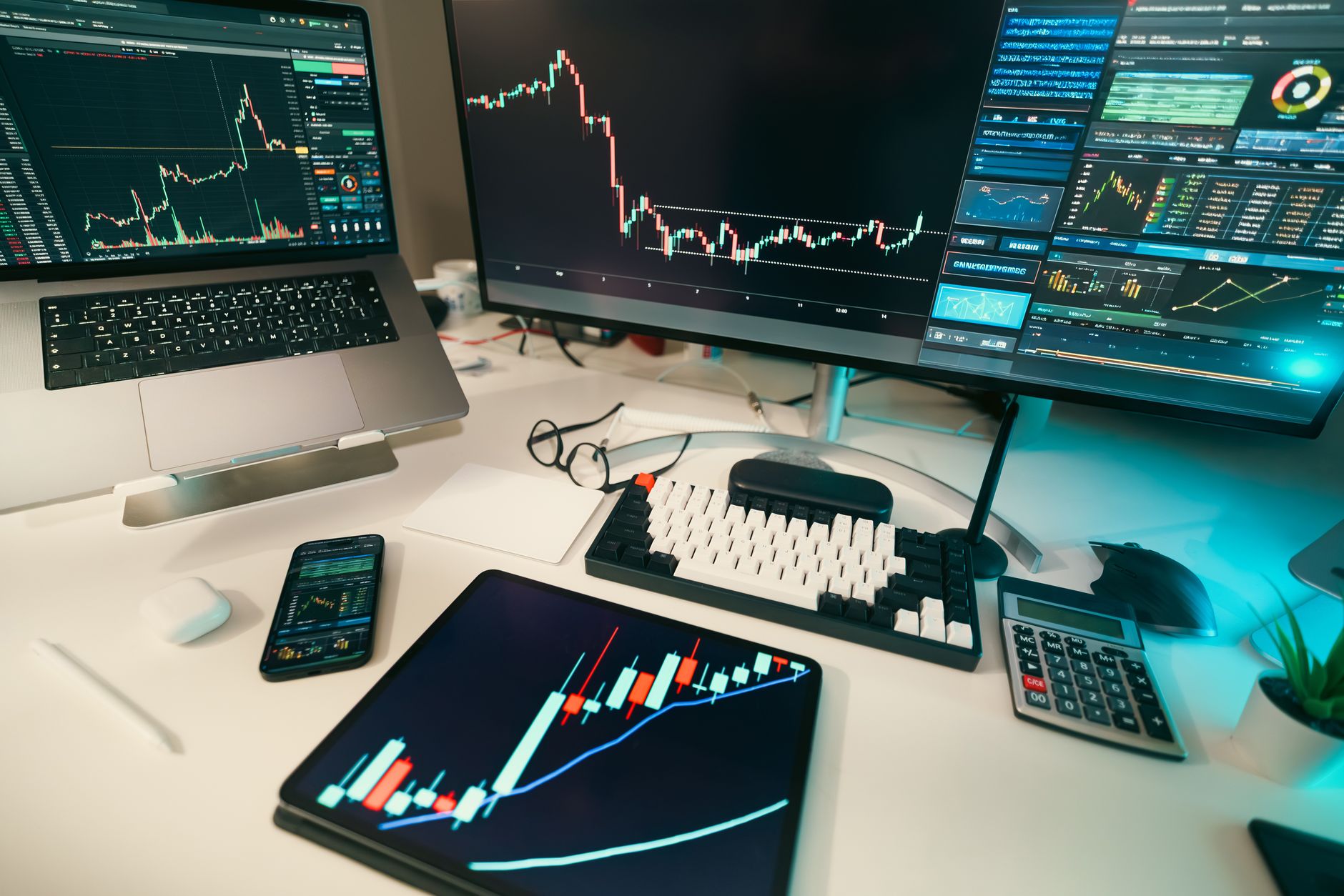
Were you calm when you entered, or were you experiencing FOMO because you saw a chart parabolic on a dashboard? If you felt an adrenaline rush, the trade was a failure of process, even if the PnL is green. You cannot scale a process built on adrenaline.
3. Review the Exit Execution
Did you have a pre-defined exit rule, or did you 'feel' like it was time to sell? If your exit was emotional rather than rule-based, you have no way to replicate that profit in the future.
Post-Trade Journaling Template
Use this structure for every winning trade to ensure you are building a sustainable process rather than just chasing volatility:
- Thesis: What was the specific catalyst or technical setup that triggered the entry?
- Size: Was the position size within my standard risk parameters, or did I 'size up' because I was feeling confident?
- Emotion: Rate your stress level from 1-10 at entry and exit. What was the dominant emotion (e.g., greed, fear of missing out, calm conviction)?
- Exit Rule: Did I follow my plan, or did I exit early/late based on price action?
- Market Context: Was this a move isolated to this specific token, or was it a reaction to Solana's general ecosystem performance?
- The 'Luck' Check: If I had to take this trade 100 times, would I expect the same result, or was this a high-variance outcome?
FAQ
Is it possible to lose money even when Solana is hitting new highs?
Yes. Market participants often fall into the trap of over-trading or chasing 'blow-off top' prices. Even in a bull market, network congestion, sudden selling pressure from institutional unlocks, or broad market corrections can cause individual assets to crash by double digits regardless of the ecosystem's overall performance.
Why does a high Solana price increase my risk of failure?
As prices hit historical resistance levels, the 'crowded trade' effect takes over. When everyone is long and the sentiment becomes euphoric, the market becomes fragile. Any minor outage or negative macroeconomic news can trigger a rapid deleveraging event, punishing those who entered at the peak without a stop-loss or a clear exit strategy.
A Note on Risk Management
Trading in the Solana ecosystem carries significant inherent risks, including but not limited to network outages, liquidity fragmentation, and high volatility. Past performance is never indicative of future results. No strategy can guarantee profit, and you should never allocate capital you cannot afford to lose. Always maintain a clear separation between your speculative trading and your core financial security. This content is for educational purposes and does not constitute financial advice.
Related posts in Memecoin Market Analysis
- Memecoin Market Analysis
Memecoin Trading Post-Mortem: Lessons from the 2026 Market Contraction
Analyzing a memecoin loss in 2026 requires more than checking charts. Learn how to journal your emotional process and structural risks to improve your strategy.
Memelogs
- Memecoin Market Analysis
Shiba Inu and the 2026 Memecoin Cycle: A Reflective Market Analysis
Analyzing the 2026 Shiba Inu market cycle through a lens of emotional discipline, risk management, and the realities of memecoin volatility.
Memelogs
- Memecoin Market Analysis
Building a Pre-Trade Checklist for Solana Memecoin Setups in 2026
Master your Solana memecoin process in 2026 with a disciplined pre-trade checklist. Learn to manage risks, verify tokens, and journal for long-term growth.
Memelogs