
The Danger of the Win: Why Your Post-Trade Journaling Matters in 2026
A big memecoin win can cloud your judgment. Learn how to journal effectively after a success to maintain your edge and avoid common psychological traps.

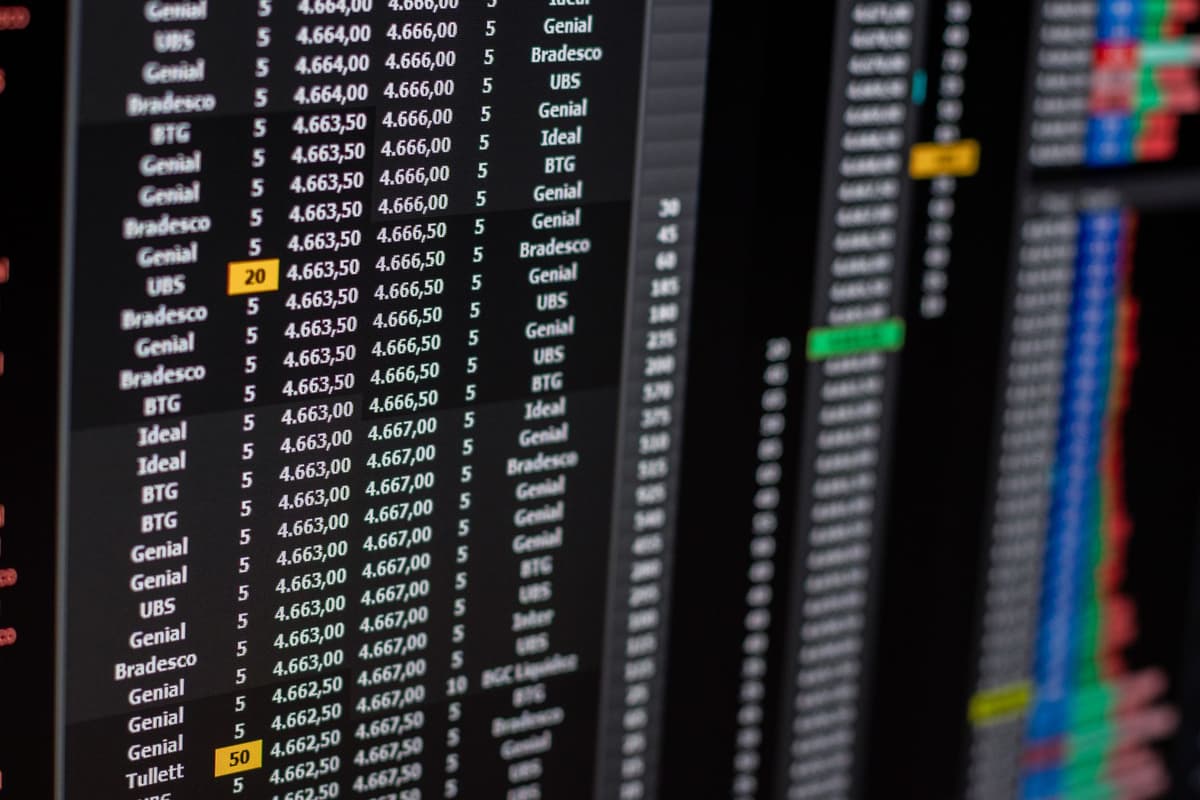
Winning in the memecoin market often triggers an overconfidence bias that leads to reckless risk-taking in subsequent trades. By treating a profitable exit as a data point rather than a validation of skill, you can use the journaling process to identify whether your success stemmed from a repeatable strategy or simple market volatility.
The Paradox of the Winning Trade
In the current landscape of 2026, where memecoin launches and viral cycles move at an unprecedented pace, a quick win is often the most dangerous event a market participant can experience. When a trade hits a target or breaks out, the brain releases dopamine that masks the reality of the risk taken. This is particularly true in highly speculative environments where liquidity can vanish overnight.
After a win, the temptation is to immediately look for the next "hundred-x" opportunity. However, the most successful participants pause. They recognize that a win does not necessarily mean the thesis was correct; sometimes, it simply means the market was irrational in your favor. If you fail to log the emotional state and the specific conditions of that win, you lose the ability to differentiate between luck and a replicable process.
Why Success Breeds Carelessness
Market participants often fall into the trap of increasing their exposure after a win. This is a behavioral error. If you find yourself thinking that you have "figured out" the market after one or two successful cycles, you are likely ignoring the inherent volatility of the ecosystem. Whether you are using automated tools to filter for rug-pull risks or tracking viral social sentiment, the process remains the same: the market is indifferent to your previous success.
When a high-profile influencer or a major project suddenly loses millions in value due to deleted posts or shifting sentiment, it serves as a reminder that the underlying assets are fragile. A win today does not protect you from a total loss tomorrow.

The Post-Win Journaling Checklist
Don't just record the profit. Use this template to dissect the decision-making process that led to the result:
- Thesis Validation: Did the trade play out because of your initial hypothesis, or was it a result of broader market momentum?
- Emotional Check: How did you feel at the point of entry? Was there a sense of FOMO or a calm, calculated observation of data?
- Exit Discipline: Did you sell based on a pre-planned rule, or did you panic-sell/greed-hold?
- Risk Attribution: If this trade had failed, would it have significantly impacted your ability to continue participating in the market?
- Environmental Context: Was there a specific catalyst, such as a viral video or a shift in technical support levels, that influenced the price action?
FAQ
How do I differentiate between a lucky trade and a skilled trade?
A skilled trade is one where you executed a pre-defined strategy based on research and risk management, regardless of the outcome. A lucky trade is one where your entry or exit criteria were ignored, yet the price movement favored you. If you cannot explain the 'why' behind the entry using your established criteria, it was likely luck.
What should I do if I feel overconfident after a series of wins?
The best approach is to reduce your position size immediately. Overconfidence often leads to 'revenge trading' or 'size-bloating' where you take larger risks than your system allows. Force yourself to take a 24-hour break from the market to reset your emotional state and review your journal entries to remind yourself of the risks involved in every trade.
Building a Sustainable Process
Your journal is not a ledger of gains; it is a laboratory for behavioral improvement. By documenting the 'why'—such as noting the technical resistance levels or the specific social sentiment patterns you observed—you build a library of experiences. In 2026, the memecoin market rewards those who remain detached from the results and focused on the consistency of their actions.
Always remember that the market is a zero-sum game in many of these speculative segments. For every win, there is a counterpart who entered at the wrong time or failed to manage their risk. Stay humble, stay objective, and never assume that today's profit guarantees tomorrow's survival.
Risk Disclaimer
Trading memecoins involves extreme risk and the potential for total loss of capital. The market is highly speculative, unregulated, and prone to rapid volatility, rug pulls, and liquidity crises. The information provided here is for educational purposes only and does not constitute financial advice. Always conduct your own thorough research and never trade with money you cannot afford to lose.
Related posts in Memecoin Market Analysis
- Memecoin Market Analysis
Shiba Inu and the 2026 Memecoin Cycle: A Reflective Market Analysis
Analyzing the 2026 Shiba Inu market cycle through a lens of emotional discipline, risk management, and the realities of memecoin volatility.
Memelogs
- Memecoin Market Analysis
Building a Pre-Trade Checklist for Solana Memecoin Setups in 2026
Master your Solana memecoin process in 2026 with a disciplined pre-trade checklist. Learn to manage risks, verify tokens, and journal for long-term growth.
Memelogs
- Memecoin Market Analysis
Memecoin Trading: How Revenge Trading Destroyed My Green Week in 2026
A deep dive into the psychology of loss. Learn how to stop revenge trading from erasing your gains and improve your memecoin strategy with better journaling.
Memelogs