
Memecoin Trading: How Revenge Trading Destroyed My Green Week in 2026
A deep dive into the psychology of loss. Learn how to stop revenge trading from erasing your gains and improve your memecoin strategy with better journaling.

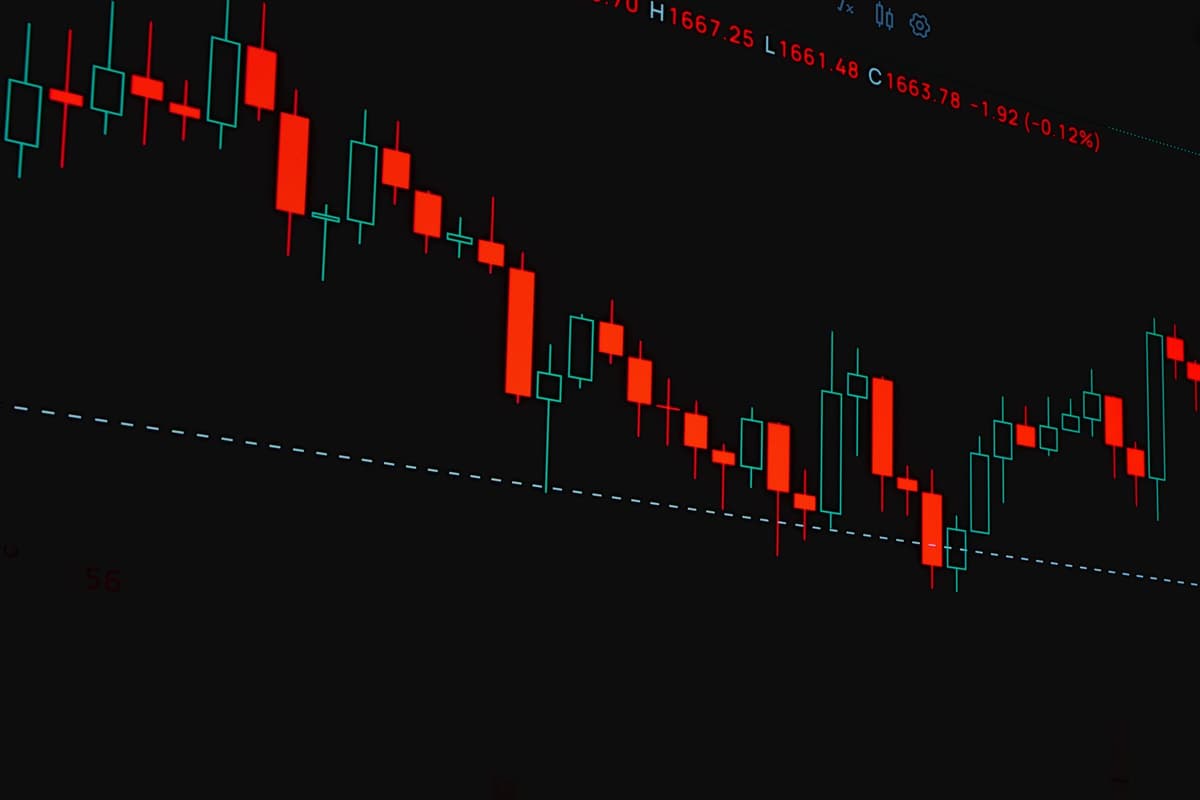
Revenge trading is the emotional impulse to immediately recover losses, which often leads to impulsive, high-risk entries that ignore market structure. In the context of the 2026 memecoin volatility, this cycle creates a feedback loop of forced selling and capital depletion that turns profitable weeks into net losses.
The Anatomy of a Failed Week
It started as the best week of 2026. My portfolio was up, the Solana ecosystem was showing resilience despite the broader memecoin sell-offs, and I felt like I had finally cracked the code. Then came the mid-week volatility. A sharp market downturn hit, and instead of stepping back, I felt the familiar itch to 'make it back' immediately.
Revenge trading isn't just about bad entries; it is a breakdown in the decision-making architecture. When you are down, your brain stops looking for high-probability setups and starts looking for any trade that might reverse the PnL. In my case, this meant chasing spikes in tokens that were clearly being affected by wash trading and speculative exhaustion. By the end of the week, those early gains were gone, replaced by a portfolio of depreciating assets and a bruised ego.
Understanding the 2026 Market Context
Memecoin markets in 2026 are defined by extreme velocity. With tools like automated bots enabling rapid execution, the time between a breakout—like the momentum seen with the Nietzschean Penguin—and a total crash has compressed significantly. When you revenge trade, you are essentially betting against the very mechanics that caused your initial loss. If the market is in a forced-selling phase, entering a new position out of anger is akin to catching a falling knife while wearing a blindfold. The fundamentals of the Solana network may remain strong, but that does not protect a bad trade entry made in a state of emotional volatility.
The Journaling Architecture
To stop the cycle, you must treat your journal as a diagnostic tool rather than a record of wins. You need to log the 'why' behind the trade, not just the 'what.'
1. Thesis: What was your specific entry signal?
2. Emotion: On a scale of 1-10, what was your level of frustration before clicking buy?
3. Size: Was this position sized according to your plan or to recover losses?
4. Exit Rule: Did you have a pre-defined stop-loss before execution?
5. Outcome: What was the actual result versus your expectation?
6. Lesson: What specific market condition forced this behavior?
Practical Checklist for Emotional Control
- Stop trading for 60 minutes after a loss of more than 5% of your daily capital.
- Audit your portfolio for 'recovery' positions that lack a technical thesis.
- Switch to a 'process-only' mode where you track trades without executing them until your emotional state stabilizes.
- Review your last three losing trades to identify if they were driven by technical failure or psychological fatigue.
FAQ
Does the Solana network's growth protect against memecoin losses?
No. While Solana fundamentals, such as high volumes in tokenized equities and infrastructure robustness, provide a stable environment, this does not insulate individual memecoin projects from speculative crashes or the volatility inherent in micro-cap assets.
How can I identify if a trade is a revenge trade?
If your primary motivation for entering a position is to recover money lost in a previous trade, rather than a clear technical setup or market opportunity, it is a revenge trade. These trades are characterized by higher-than-normal sizing and an absence of a clear exit plan.
Risk Disclaimer
The information provided here is for educational purposes only and does not constitute financial advice. Trading memecoins involves significant risk of loss, including the total loss of principal. Market conditions in 2026 are highly volatile and influenced by speculative activity, wash trading, and rapid shifts in liquidity. Always conduct your own research and never trade with capital you cannot afford to lose.
Related posts in Memecoin Market Analysis
- Memecoin Market Analysis
Shiba Inu and the 2026 Memecoin Cycle: A Reflective Market Analysis
Analyzing the 2026 Shiba Inu market cycle through a lens of emotional discipline, risk management, and the realities of memecoin volatility.
Memelogs
- Memecoin Market Analysis
Building a Pre-Trade Checklist for Solana Memecoin Setups in 2026
Master your Solana memecoin process in 2026 with a disciplined pre-trade checklist. Learn to manage risks, verify tokens, and journal for long-term growth.
Memelogs
- Memecoin Market Analysis
The Danger of the Win: Why Your Post-Trade Journaling Matters in 2026
A big memecoin win can cloud your judgment. Learn how to journal effectively after a success to maintain your edge and avoid common psychological traps.
Memelogs