
Solana Wins in 2026: Why Your Best Trades Are Often Your Most Dangerous
A successful trade on Solana is a vulnerability. Learn how to journal your wins to avoid overconfidence and maintain process discipline in a volatile market.

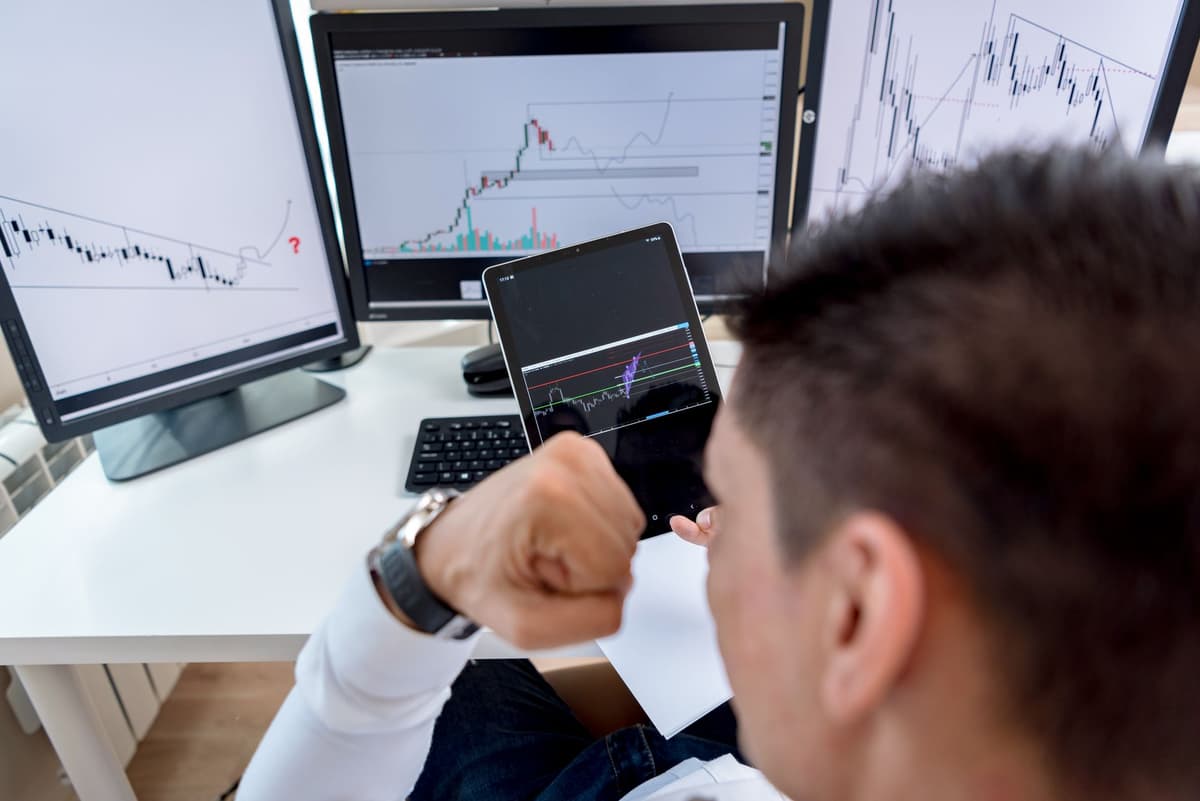
Winning in the current Solana ecosystem, which is fueled by ETF inflows and high-speed infrastructure, often masks poor risk management or sheer luck. Journaling after a win is critical because it forces you to deconstruct your decision-making process before the inevitable market volatility causes a reversal. By focusing on emotional state and thesis validation rather than profit, you protect yourself from the overconfidence that frequently precedes a major drawdown.
The Psychology of the 'Easy' Win
In 2026, the Solana landscape has shifted. With institutional interest via spot ETFs and the rollout of major upgrades like Firedancer and Alpenglow, the market feels different than the chaotic cycles of the past. When you hit a winning streak, the temptation to attribute success to 'skill' is overwhelming. However, in a market where memetic value is a permanent pillar of decentralized finance, a win is often just a reflection of high liquidity and network sentiment rather than your own predictive brilliance.
When we win, our brain releases dopamine that clouds our ability to see risk. We start to believe that our process is infallible. This is exactly when market participants begin to ignore their exit rules or increase their risk exposure. A win is a dangerous teacher because it rewards bad behavior.
Why You Must Journal the 'Green'
Most people only journal their losses. This is a critical error. If you only document your failures, you are only analyzing half of your behavior. You need to document your wins to identify the 'luck factor' versus the 'process factor.'
1. Analyze the Thesis
Did you enter based on a pre-defined thesis regarding network activity or tokenized asset growth, or did you enter because you saw a chart spiking on social media? If you cannot articulate the 'why' behind the entry, your win was likely a gamble. Documenting this allows you to distinguish between strategic execution and impulsive chasing.
2. Monitor Your Emotional State
Were you calm, or were you experiencing 'FOMO' (Fear of Missing Out)? Even if the outcome was profitable, an entry driven by anxiety is a failure of process. Note your heart rate, your tendency to check the price every minute, and your desire to brag about the trade. These are indicators of emotional instability that will eventually lead to a blowout.
3. Review the Exit Execution
Did you exit because your profit target was hit, or because you got scared? Often, people exit early because they are afraid of losing their gains. While profit is good, an exit that deviates from your plan creates a 'drift' in your strategy. If you exited early, note why the original plan felt insufficient.
Practical Journaling Template for Wins
Use this template immediately after closing a profitable position to ground your perspective:
- Date and Time:
- Asset Name:
- Initial Thesis: (What was the specific catalyst for this trade?)
- Emotional State (1-10): (1 being calm/objective, 10 being euphoric/anxious)
- Deviation Check: (Did I follow my exit rules exactly? If not, why?)
- Luck vs. Skill: (Did the market move in my favor due to general sector momentum, or was my timing specific?)
- The 'What If' Scenario: (If this trade had gone against me, would I have been stopped out according to my plan?)
FAQ
Is the Solana memecoin market safer for participants in 2026?
While Solana has integrated deeper into institutional portfolios via ETF inflows and network upgrades, the memecoin sector remains highly volatile. The market cap for this sector is prone to rapid fluctuations, and while sentiment has improved, the underlying risk of sudden liquidity shifts remains high.
How can I tell if my win was just market luck?
If your profit exceeded the general market growth for that sector or asset class without a clear, pre-defined technical or fundamental reason, it is likely luck. High-performing participants focus on whether they adhered to their risk management rules rather than the total dollar amount of the gain.
Risk Disclaimer
This content is for educational purposes only and does not constitute financial or investment advice. Engaging with cryptocurrency markets, especially memecoins, involves significant risk of loss. The volatility of Solana and related tokens can lead to the total loss of capital. Always conduct your own research and never trade with money you cannot afford to lose. Market performance in 2026 remains highly dependent on network infrastructure stability and institutional adoption, which are subject to change.
Related posts in Memecoin Market Analysis
- Memecoin Market Analysis
Solana Wins in 2026: Why Your Best Trades Are Your Most Dangerous Moments
A Solana win in 2026 feels like destiny, but success is the greatest risk to your process. Learn how to journal post-profit to protect your capital.
Memelogs
- Memecoin Market Analysis
Memecoin Trading Post-Mortem: Lessons from the 2026 Market Contraction
Analyzing a memecoin loss in 2026 requires more than checking charts. Learn how to journal your emotional process and structural risks to improve your strategy.
Memelogs
- Memecoin Market Analysis
Shiba Inu and the 2026 Memecoin Cycle: A Reflective Market Analysis
Analyzing the 2026 Shiba Inu market cycle through a lens of emotional discipline, risk management, and the realities of memecoin volatility.
Memelogs