
Revenge Trading and the 2026 Memecoin Crash: A Capital Destruction Case Study
Discover how emotional trading during the 2026 memecoin market collapse eroded capital and learn how to build a disciplined process for volatile market cycles.

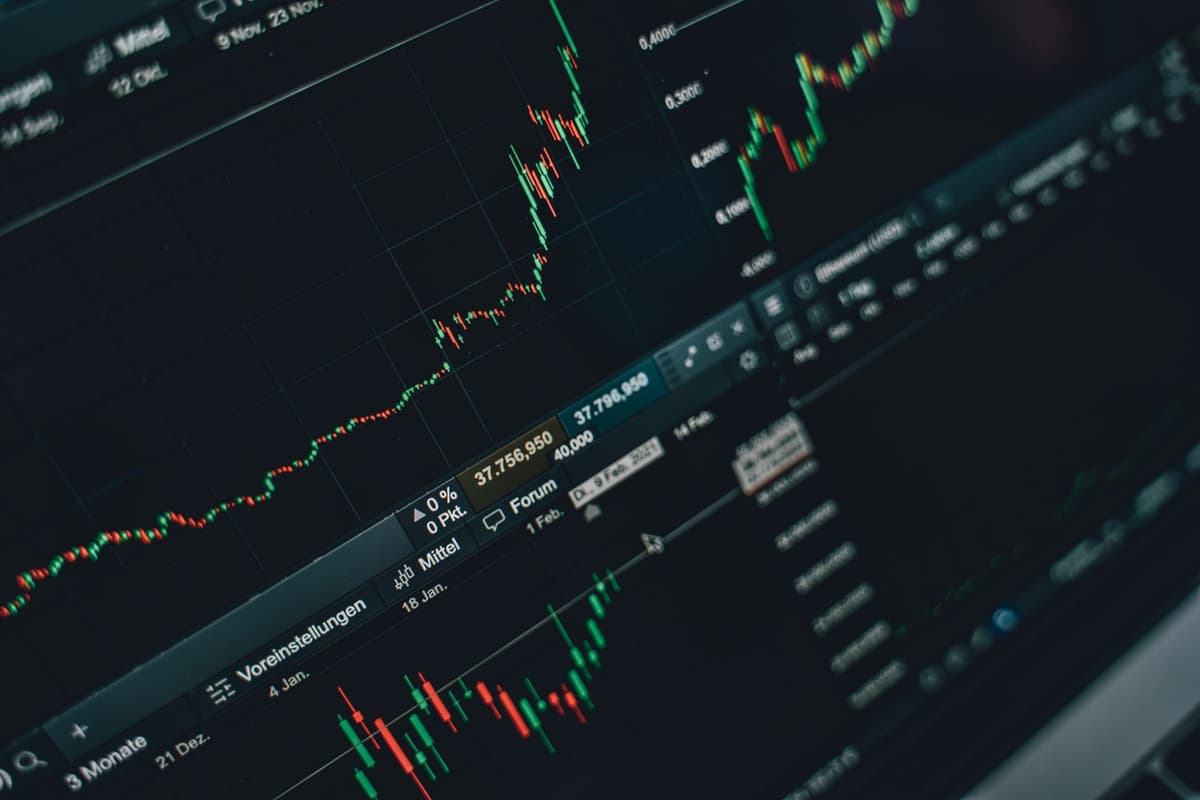
Revenge trading involves attempting to recover losses immediately through impulsive, high-risk positions, which often leads to total capital exhaustion during periods of market volatility. In 2026, the collapse of the Solana memecoin sector demonstrated that market participants who failed to pivot from speculative mania to stable asset management suffered the most significant losses. True recovery requires acknowledging the shift in network fundamentals rather than fighting the market trend.
The Anatomy of the 2026 Capital Erosion
When the memecoin market began its sharp correction in early 2026, the psychological impact on participants was immediate. As DEX volumes plummeted and revenue dropped, those who had seen massive gains during the peak of the rally found themselves unable to accept the new reality of a bear cycle. This is where the trap of revenge trading begins.
Instead of treating a loss as a cost of doing business, the mind frames it as a personal insult from the market. The objective shifts from capital preservation to 'getting even.' This mindset ignores the fact that the Solana network was undergoing a fundamental rotation, with capital moving from high-risk speculative tokens into stablecoins and yield-bearing assets. By refusing to adapt, participants burned through their remaining liquidity in a desperate attempt to catch the next 'breakout' that never materialized.
The Journal as a Circuit Breaker
A trading journal is not just a spreadsheet of wins and losses; it is a psychological mirror. When you are in the middle of a drawdown, your ability to think rationally is compromised. Your journal acts as a circuit breaker, forcing you to document your mental state before and after every execution.
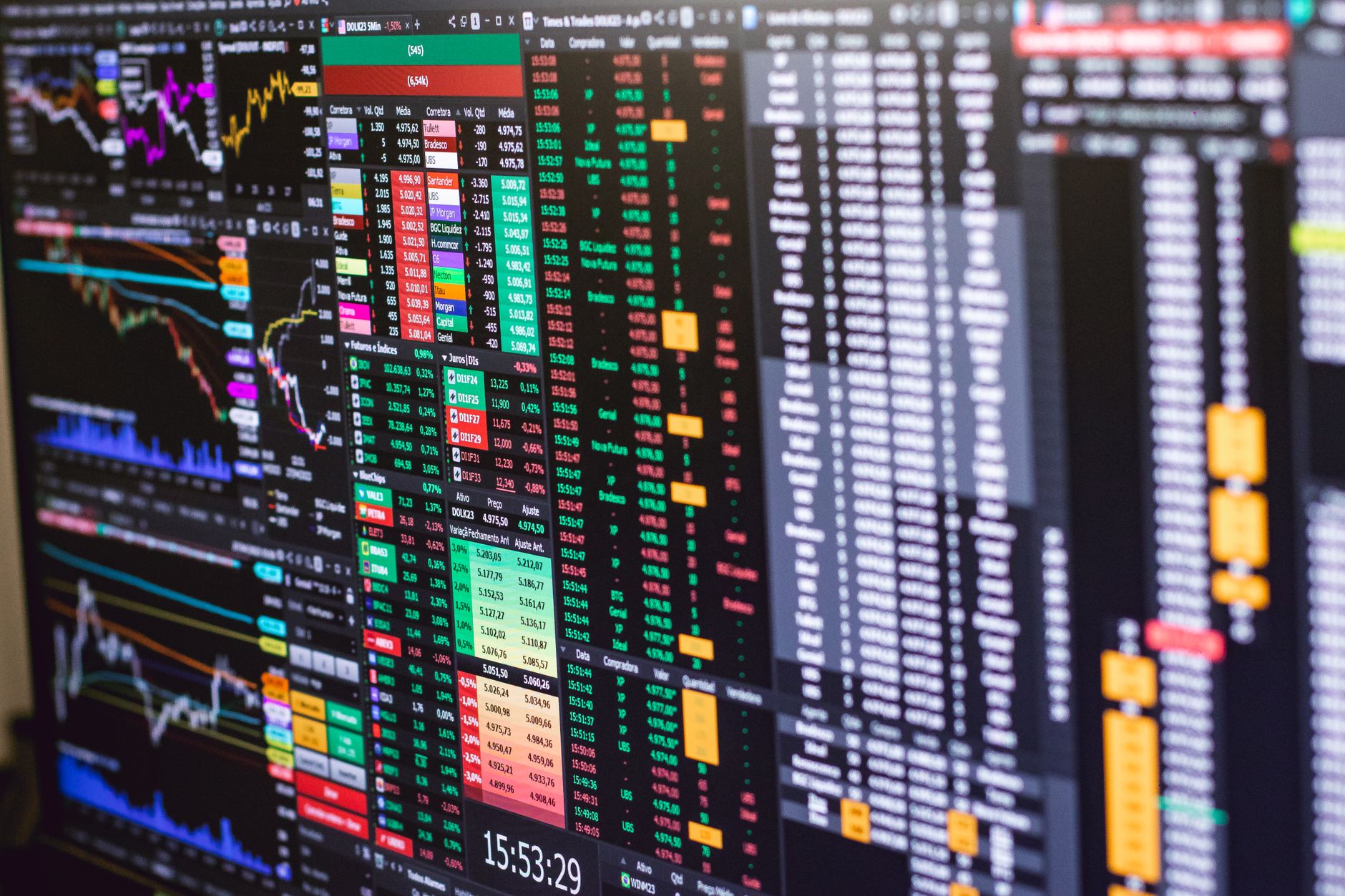
If you find yourself opening new positions immediately after a stop-loss is hit, your journal should contain a 'cooling-off' field. If the emotion logged is 'frustration' or 'desperation,' the protocol should be to step away from the terminal entirely. The goal is to separate the emotional urge to trade from the analytical requirement to trade.
1. The Pre-Trade Thesis
Define why you are entering a position before the execution. If the thesis is simply 'I need to make back the money I lost ten minutes ago,' the trade is invalid.
2. The Emotional Check
Rate your state of mind on a scale of 1 to 5. If you are above a 3, you are likely trading on impulse rather than data.
3. The Exit Rule
Establish a hard exit rule before you enter. If the market moves against you, you must document whether you followed the exit strategy or allowed 'hope' to dictate your hold time.
4. The Post-Outcome Lesson
Review the outcome against the original thesis. Did the market change, or did your conviction waver? This field is where the learning happens.
Adapting to the New Market Reality
As of 2026, the Solana ecosystem is shifting. With infrastructure upgrades like Firedancer and a move toward real-world asset integration, the nature of the market is evolving beyond pure speculation. The participants who survived the 2026 crash were those who recognized that the era of blind memecoin accumulation was fading. They rotated into stable assets while others were still trying to force gains from dying token trends.
Successful market participants treat their capital as a finite resource. When the market provides clear signals that momentum is softening—such as a decline in relative strength or a shift in open interest—the correct response is to reduce exposure, not to increase risk in a search for lost capital.
FAQ
Why does revenge trading almost always lead to further losses?
It forces the participant to abandon their risk management rules in favor of emotional recovery, leading to larger position sizes and lower-quality setups that do not align with current market trends.
How can I tell if I am revenge trading?
If your decision to enter a trade is based on the size of your previous loss rather than the current chart setup or fundamental thesis, you are engaging in revenge trading. If you feel an urgent need to 'fix' your balance, you are compromised.
Risk Disclaimer
Trading crypto assets involves a high degree of risk and is not suitable for all participants. The volatility of the market can lead to the total loss of invested capital. The insights provided here are for educational purposes regarding market psychology and journaling habits and do not constitute financial advice. Always conduct your own research and never trade with capital you cannot afford to lose.
Related posts in Memecoin Market Analysis
- Memecoin Market Analysis
Solana Wins in 2026: Why Your Best Trades Are Your Most Dangerous Moments
A Solana win in 2026 feels like destiny, but success is the greatest risk to your process. Learn how to journal post-profit to protect your capital.
Memelogs
- Memecoin Market Analysis
Memecoin Trading Post-Mortem: Lessons from the 2026 Market Contraction
Analyzing a memecoin loss in 2026 requires more than checking charts. Learn how to journal your emotional process and structural risks to improve your strategy.
Memelogs
- Memecoin Market Analysis
Shiba Inu and the 2026 Memecoin Cycle: A Reflective Market Analysis
Analyzing the 2026 Shiba Inu market cycle through a lens of emotional discipline, risk management, and the realities of memecoin volatility.
Memelogs