
Tracking Whale Wallets in 2026: A Technical Guide to On-Chain Monitoring
Learn how to monitor whale wallets on Solana without falling for copy-trading traps. Master on-chain analysis to observe smart money, not just follow it.

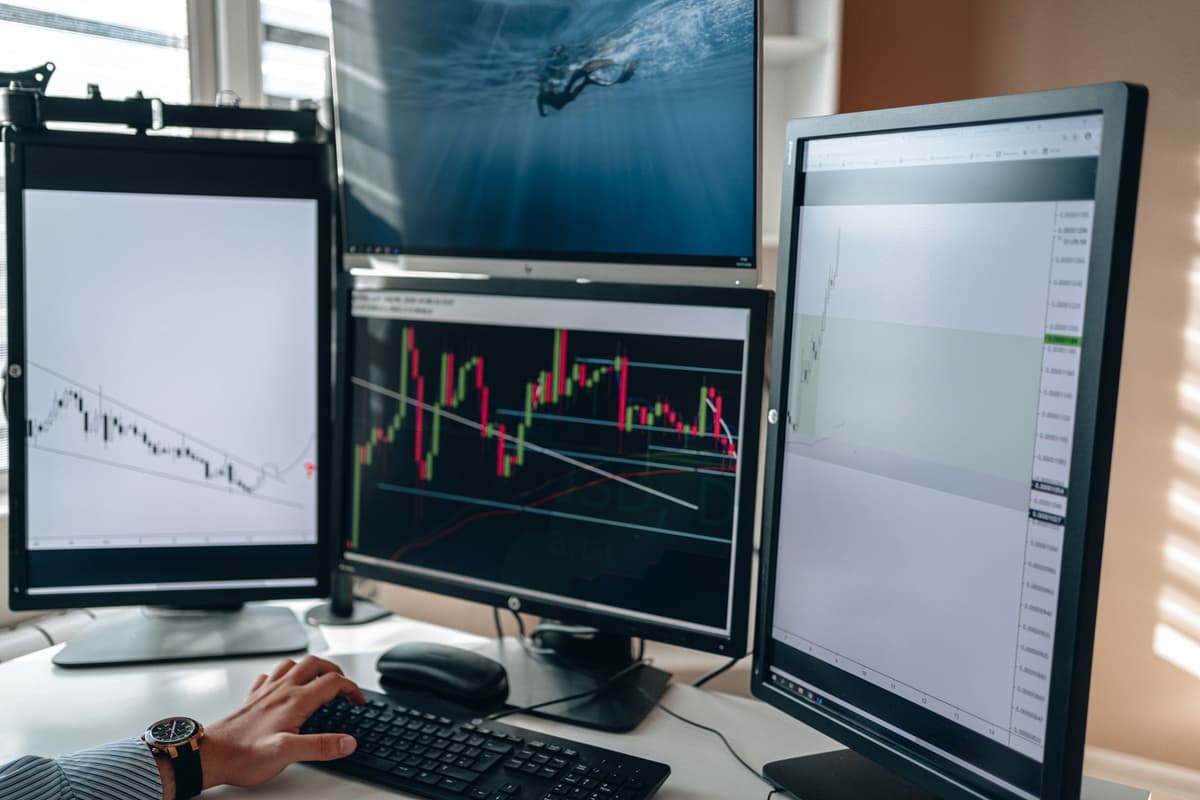
Tracking whale wallets involves identifying specific addresses that consistently interact with early-stage liquidity pools and monitoring their behavior for signs of accumulation or distribution. By utilizing blockchain explorers and behavioral clustering, you can observe market movements in real-time to better understand institutional flow without relying on blind copy-trading.
The Reality of Whale Tracking
In 2026, the meme coin landscape is dominated by sophisticated actors who utilize behavioral clustering to mask their true intentions. Many retail participants fail because they treat whale tracking as a "follow-the-leader" game, buying exactly what a whale buys. This strategy is often a trap; whales may move assets to secondary wallets to create the illusion of buying pressure or to dump tokens into liquidity pools when retail sentiment peaks.
Effective tracking requires you to shift from passive observation to active forensic analysis. You are looking for patterns, not signals. You are looking for structural evidence of concentration versus distribution.
Step-by-Step: Analyzing On-Chain Behavior
1. Identify the Target Wallet
Use a block explorer to find addresses that consistently interact with high-volume tokens early in their life cycle. Do not simply look for "big" wallets; look for "smart" wallets—those that hold tokens through volatility rather than panic-selling at the first dip.
2. Verify Liquidity and Holders
Once you have a candidate, check the token contract on a block explorer. Examine the liquidity pool (LP) status. If a whale holds a significant percentage of the circulating supply but the LP is not locked or burned, the risk of a rug pull remains high regardless of the whale's previous track record.
3. Analyze Transaction Frequency
Observe the cadence of the wallet. Does the address interact with multiple micro-cap assets simultaneously? This often indicates an automated bot strategy. Look for wallets that show long-term conviction in fewer, higher-quality assets, as these are more likely to represent human-driven institutional or professional sentiment.
4. Monitor Accumulation Phases
Look for wallets that accumulate tokens in increments over several hours or days rather than a single massive "buy" transaction. Steady accumulation is often a sign of a market participant building a position in anticipation of a liquidity event or a migration to a decentralized exchange.
5. Track Distribution (The Exit)
This is the most critical step. Watch for wallets that begin moving tokens from their primary holding address to known exchange deposit addresses or fragmented "burner" wallets. If you see a cluster of wallets simultaneously distributing, it is a structural indicator of profit-taking or a potential market dump.
What this is NOT
This guide is not financial advice, nor does it provide buy or sell signals. On-chain data is historical and observational; it does not predict future price action or guarantee results.
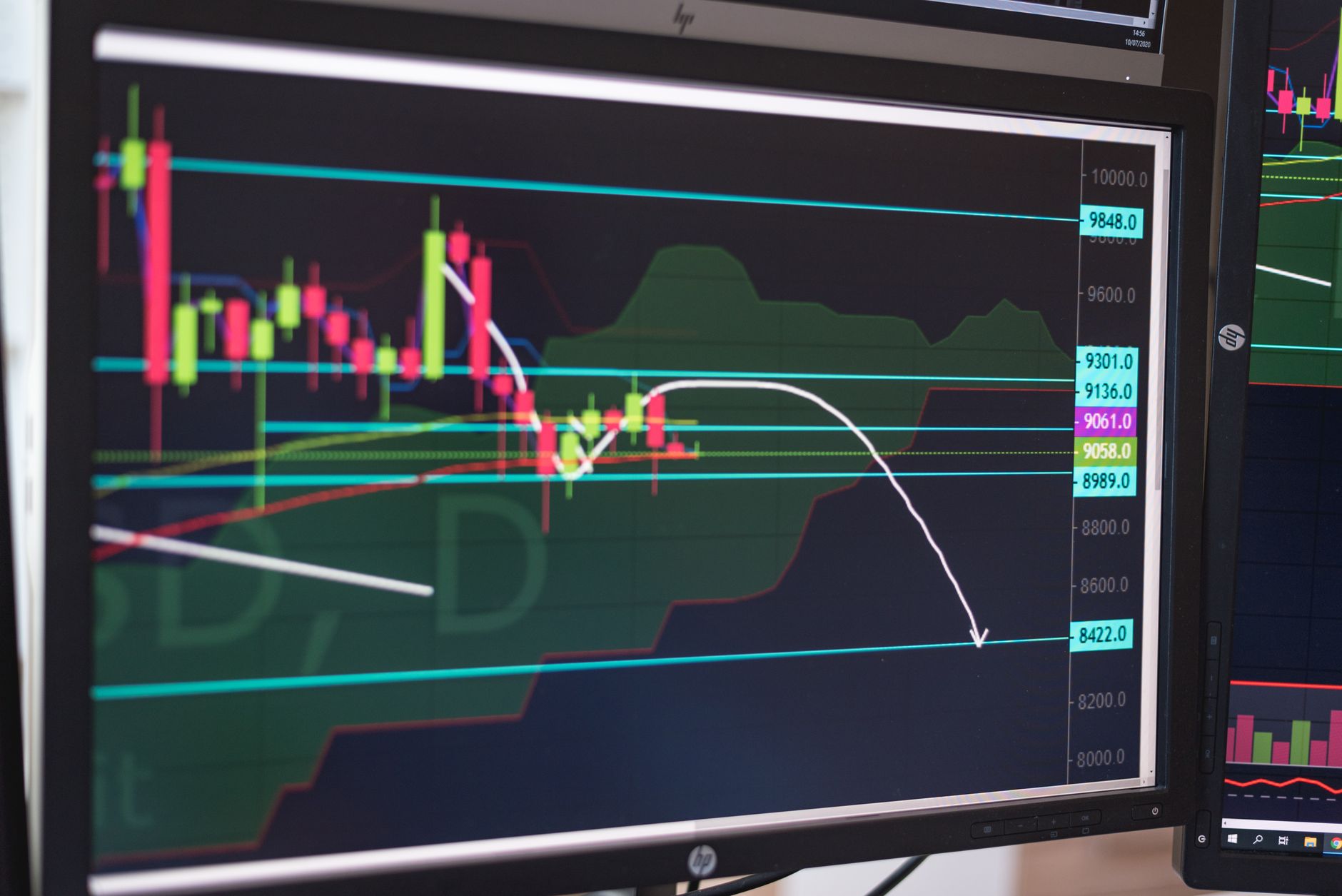
Understanding the Data
| Metric | What it signifies |
|---|---|
| Wallet Concentration | High percentage of supply held by few addresses |
| LP Lock Status | Security of the underlying liquidity |
| Transaction Cadence | Automated vs. manual decision-making |
| Inflow/Outflow | Whale accumulation vs. distribution patterns |
FAQ
Is it safe to copy-trade a whale wallet if it has a high win rate?
No. High win rates are often retroactively calculated and do not account for the whale's ability to manipulate liquidity or exit before retail participants can react. Copy-trading blindly ignores the whale's intent and their specific entry price.
How can I tell if a whale is dumping or just rebalancing their portfolio?
Rebalancing usually involves moving assets to a cold storage address or another stable pool, whereas dumping is characterized by rapid, high-frequency transactions aimed at liquidity pools to convert assets into base coins like SOL.
Related posts in On-Chain & Whale Tracking
- On-Chain & Whale Tracking
Decoding Bonding Curve Metrics: A 2026 Guide to On-Chain Memecoin Analysis
Master the art of reading bonding curve metrics on Solana. Learn to identify whale accumulation, liquidity health, and migration readiness before price moves.
Memelogs
- On-Chain & Whale Tracking
Decoding Bonding Curve Metrics: A 2026 Guide to Solana Memecoin Analysis
Master the art of reading bonding curve metrics before a memecoin moves. Learn how to track whale activity, liquidity shifts, and migration risks on Solana.
Memelogs
- On-Chain & Whale Tracking
On-Chain Red Flags: How to Spot Solana Rugpulls in 2026
Learn to identify common Solana rugpull patterns in 2026. Master on-chain checks for liquidity, wallet concentration, and contract risks before you participate.
Memelogs