
Solana Whale Tracking 2026: A Step-by-Step Guide to On-Chain Analysis
Learn how to monitor Solana whale wallets by analyzing on-chain behavior, liquidity shifts, and performance metrics without relying on blind copy-trading.

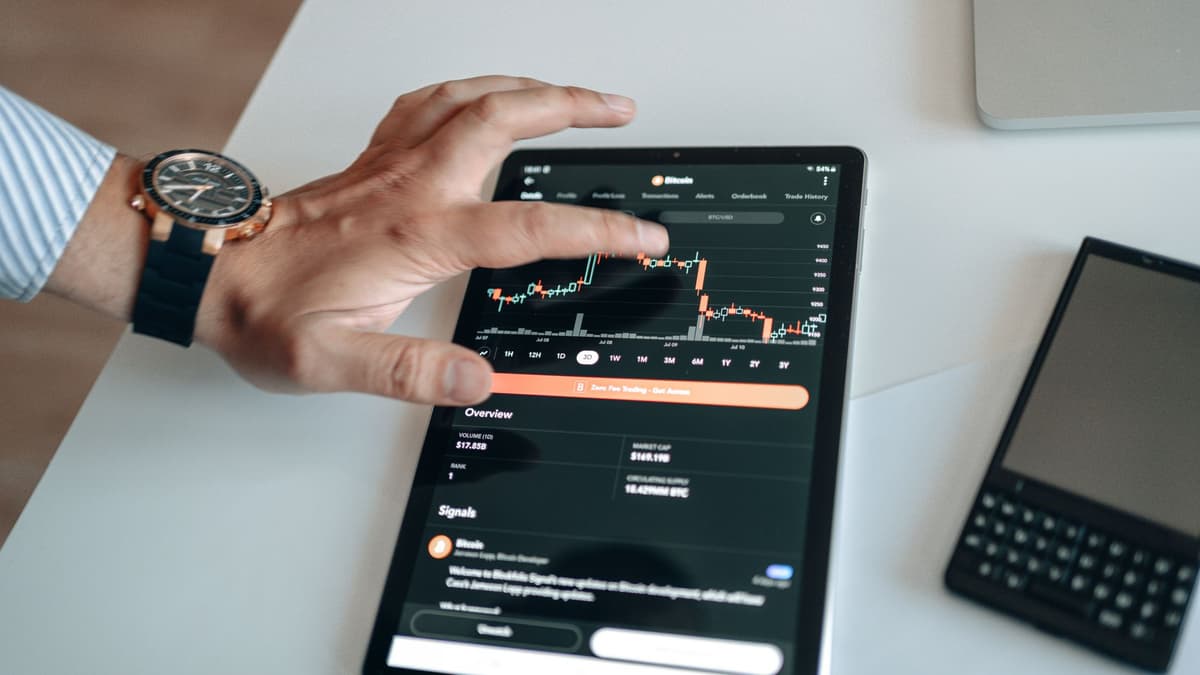
Tracking whale wallets involves identifying consistent performers via on-chain explorers and analyzing their transaction patterns rather than reacting to raw volume alerts. By observing entry timing, liquidity provision, and exit behavior, you can validate your own market thesis instead of blindly mirroring transaction data.
Understanding Whale Behavior
In the Solana ecosystem, tracking is not about finding a "magic" wallet to mirror. It is about identifying entities that demonstrate superior timing and risk management. Many participants fall into the trap of using alerts as buy signals, but real-world analysis requires viewing these transactions as components of a broader market narrative. A single large move is just noise; a series of profitable, calculated entries is a signal.
The Anatomy of a Whale Wallet
Not every large wallet is a skilled participant. Some are institutional custodians, while others are simply early adopters holding legacy positions. When auditing a wallet, look for these specific characteristics:
- Consistent realized profit across multiple cycles.
- A tendency to accumulate during periods of low volatility.
- Strategic exits before major liquidity events or price breakdowns.
- Diversified holdings that suggest a thematic approach rather than gambling.
1. Identification via Block Explorers
Use a Solana-native explorer to inspect the transaction history of a target address. Filter for tokens that have shown significant price appreciation. If a wallet consistently buys before a breakout and sells before a correction, they deserve closer monitoring.
2. Analyzing On-Chain Performance
Evaluate the wallet's profit and loss data. Focus on realized gains. A wallet that holds tokens that have dropped 90% in value is not a smart money entity, regardless of its current balance. Focus on the win rate and the average holding period.
3. Cross-Referencing Liquidity and Volume
When a whale moves, check if they are providing liquidity or draining it. If a wallet is adding liquidity, they may be looking for long-term yield. If they are aggressively selling into a thin order book, they are likely exiting a position. Compare this against total volume to see if the whale is the primary driver of the price action.
4. Establishing a Behavioral Baseline
Do not copy-trade. Instead, build a profile. Does this wallet enter during the bonding curve phase, or do they wait for the token to migrate to a major decentralized exchange? Understanding their entry point helps you determine if your own risk-reward ratio remains viable if you were to enter at the same time.
The Fallacy of Blind Copy-Trading
Copy-trading is a strategy destined for failure because you are always behind the timeline. By the time a transaction is confirmed and recorded on the blockchain, the whale has already completed their execution. If you enter after them, you are providing the exit liquidity they are looking for. The goal of tracking is to anticipate the next move based on historical consistency, not to chase the current candle.
Validating Technical Setups
Whale activity should be used as a secondary confirmation for your existing technical analysis. If a token is approaching a key support level and you observe whale wallets accumulating, it adds weight to the likelihood of a bounce. Conversely, if resistance is being tested and whale wallets are offloading, it suggests that the supply is being distributed to retail participants.
FAQ
Can I use whale alerts to automate my trading strategy?
No. Alerts only tell you what has already occurred. Relying on them for automation usually results in buying at local tops. Use them as a starting point for manual investigation.
Is it possible to track whale movements in real-time?
While you can see transactions as they hit the blockchain, the human element of verifying the context—such as whether the transfer is an internal movement, an exchange deposit, or a genuine sell—takes time. Real-time monitoring is for observation, not immediate execution.
What this is NOT
This content is for educational purposes regarding on-chain analysis and does not constitute financial advice, investment recommendations, or a guarantee of future market performance. Always perform your own research and manage your risk accordingly.
Related posts in On-Chain & Whale Tracking
- On-Chain & Whale Tracking
Decoding Bonding Curve Metrics: A 2026 Guide to On-Chain Memecoin Analysis
Master the art of reading bonding curve metrics on Solana. Learn to identify whale accumulation, liquidity health, and migration readiness before price moves.
Memelogs
- On-Chain & Whale Tracking
Decoding Bonding Curve Metrics: A 2026 Guide to Solana Memecoin Analysis
Master the art of reading bonding curve metrics before a memecoin moves. Learn how to track whale activity, liquidity shifts, and migration risks on Solana.
Memelogs
- On-Chain & Whale Tracking
On-Chain Red Flags: How to Spot Solana Rugpulls in 2026
Learn to identify common Solana rugpull patterns in 2026. Master on-chain checks for liquidity, wallet concentration, and contract risks before you participate.
Memelogs