
Solana Liquidity Migration: Tracking Whale Patterns in 2026
Master the art of tracking liquidity migration on Solana in 2026. Learn to analyze whale wallets and on-chain shifts to understand market sentiment flows.

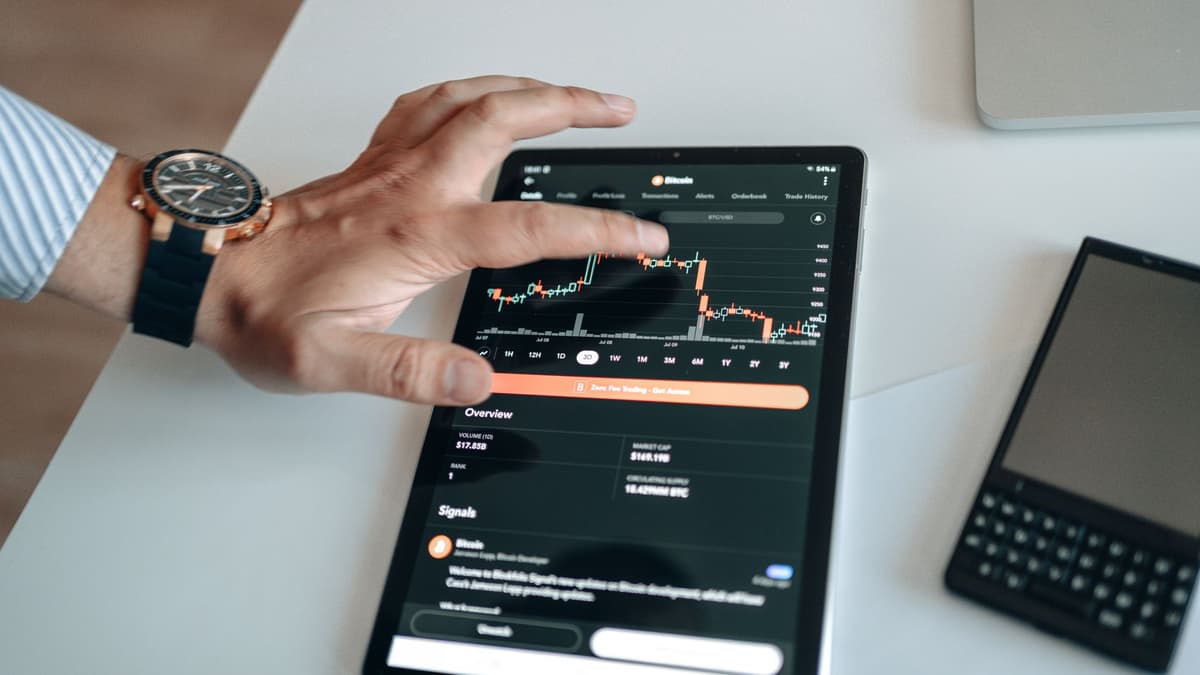
Liquidity migration on Solana in 2026 is defined by the shifting concentration of capital from early-stage pools into established protocols driven by whale wallet activity. By monitoring specific on-chain metrics like pool depth, holder distribution, and transaction velocity, market participants can identify when institutional or large-scale capital rotates between ecosystem sectors.
Understanding Liquidity Migration
In the current Solana landscape, liquidity does not sit idle. It flows toward developer momentum and high-volume sectors. With Solana capturing a significant share of industry spot DEX volume, the ability to track where this capital moves is the primary edge for any serious participant. Liquidity migration refers to the process where capital exits underperforming liquidity pools and enters new, high-velocity environments, often signaled by specific whale movements before the broader market reacts.
How to Track Migration Patterns
1. Analyze Whale Wallet Clusters
Identify wallets that show consistent, early entry into high-performing pools. Do not focus on single wallets, but rather clusters that move in tandem. Use blockchain explorers to check the historical profitability of these addresses. If a cluster suddenly shifts funds from a dormant pool to a new protocol, it often precedes a broader liquidity migration.
2. Monitor LP Depth and Token Distribution
Check the percentage of tokens held by the top 10 wallets. High concentration among a few addresses increases the risk of sudden liquidity removal. If you see the top holders decreasing while the total number of unique holders increases, this is often a sign of healthy distribution and migration toward a more sustainable liquidity state.
3. Evaluate Transaction Velocity
High volume with low price impact suggests strong, stable liquidity. If you notice a spike in transaction frequency paired with a decrease in slippage, it indicates that liquidity providers are actively supporting the pool. Conversely, a drop in velocity while liquidity remains high may suggest that capital is preparing to migrate elsewhere.
4. Review Protocol TVL Trends
Track the Total Value Locked across the ecosystem. When TVL shifts from older, legacy protocols to emerging ones, it indicates a change in market sentiment. This is frequently driven by developers moving to new infrastructure, which attracts whale capital in anticipation of higher yields or better functionality.
Market Sentiment and Institutional Flows
Recent data indicates that institutional risk appetite remains cautious. While Solana maintains strong retail mindshare and high developer activity, broader market flows in BTC and ETH ETFs have been negative or stagnant. This suggests that the current liquidity cycles on Solana are largely ecosystem-driven rather than reliant on broad institutional inflows. Retail participants must look at on-chain data rather than external market signals to gauge the health of specific Solana pools.
Practical Data Table: Liquidity Health Check
| Metric | Bullish Signal | Bearish Signal |
|---|---|---|
| Holder Count | Increasing | Decreasing/Stagnant |
| LP Depth | Stable/Growing | Sudden Withdrawal |
| Top 10 Concentration | Below 30% | Above 60% |
| Transaction Velocity | Consistent/High | Erratic/Declining |
FAQ
What is the most reliable indicator of a liquidity shift?
The most reliable indicator is the movement of known whale clusters combined with a consistent increase in the number of unique holders. When large wallets move capital into a pool that is simultaneously gaining organic retail adoption, it often signals a sustained liquidity migration.
Does institutional flow directly impact Solana memecoin liquidity?
Based on current 2026 trends, institutional influence is present but does not always mirror the broader crypto market. Solana liquidity is currently dictated more by ecosystem-specific developer momentum and retail participation than by the fluctuations seen in major ETF capital flows.
What this is NOT
This article is not financial advice, nor is it a buy signal for any specific token or protocol. The information provided is for educational purposes regarding on-chain analysis and market observation.
Related posts in On-Chain & Whale Tracking
- On-Chain & Whale Tracking
Decoding Bonding Curve Metrics: A 2026 Guide to On-Chain Memecoin Analysis
Master the art of reading bonding curve metrics on Solana. Learn to identify whale accumulation, liquidity health, and migration readiness before price moves.
Memelogs
- On-Chain & Whale Tracking
Decoding Bonding Curve Metrics: A 2026 Guide to Solana Memecoin Analysis
Master the art of reading bonding curve metrics before a memecoin moves. Learn how to track whale activity, liquidity shifts, and migration risks on Solana.
Memelogs
- On-Chain & Whale Tracking
On-Chain Red Flags: How to Spot Solana Rugpulls in 2026
Learn to identify common Solana rugpull patterns in 2026. Master on-chain checks for liquidity, wallet concentration, and contract risks before you participate.
Memelogs