
On-Chain Accumulation: Tracking Fresh Solana Wallets Before Narratives Ignite in 2026
Master the art of on-chain monitoring. Learn how to track fresh wallet accumulation on Solana to identify emerging narratives before they hit the mainstream.

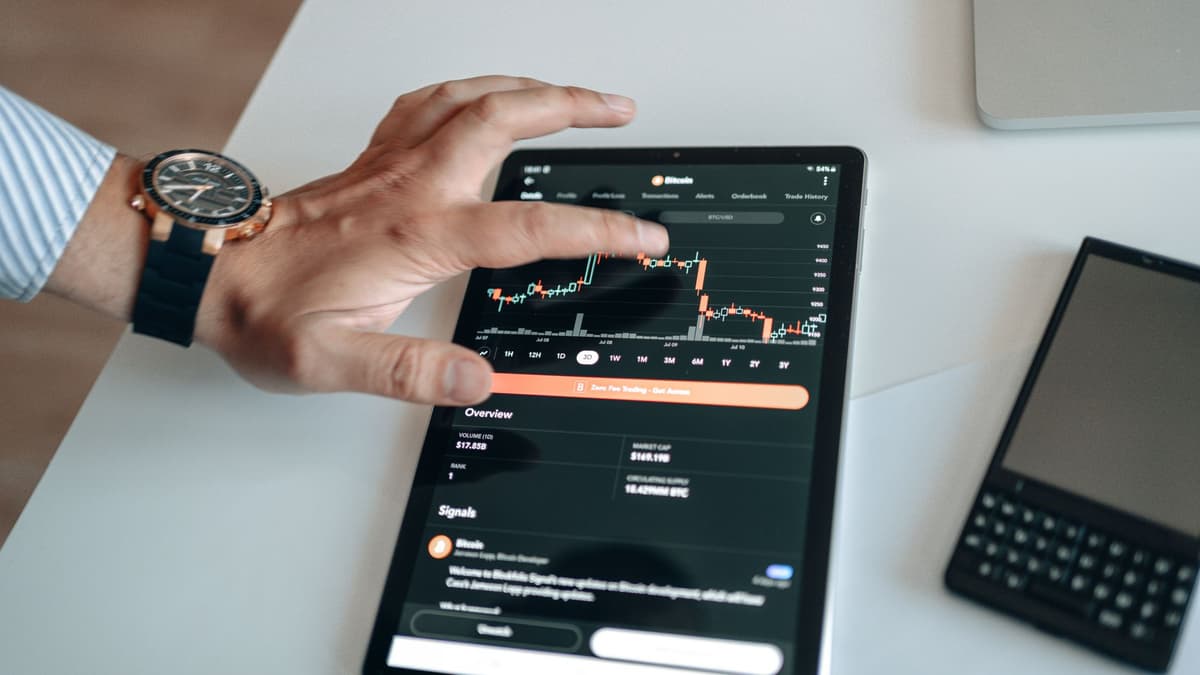
Fresh wallet accumulation occurs when high-conviction market participants move capital into specific tokens before a broader narrative gains market traction. By monitoring the migration of funds from established hubs into new liquidity pools, observers can identify clusters of activity that signal strategic positioning ahead of wider ecosystem growth.
The Architecture of Accumulation
Tracking fresh wallets is not about guessing; it is about reading the trail left by capital. In the Solana ecosystem, transparency allows any market participant to view the full history of a wallet address. When a cluster of new or re-activated wallets begins to interact with a specific contract, it often indicates that institutional or sophisticated actors are rotating into a new sector.
Sophisticated actors rarely move all their capital at once. Instead, they test liquidity and observe how the market reacts. Identifying these moves requires filtering noise to find wallets with high realized profit-to-loss ratios rather than just those with the largest balances.
How to Audit On-Chain Activity
To analyze accumulation patterns, you must look beyond raw volume and focus on the distribution of holdings. Use a block explorer to inspect the following metrics.
1. Analyze Holder Concentration
Check the percentage of total supply held by the top 10 to 50 wallets. If a project has high liquidity but the top holders are not selling despite price swings, it suggests a long-term hold strategy rather than a short-term exit.
2. Monitor Liquidity Provision
Inspect the liquidity pool (LP) status. Look for locked liquidity and the ratio of the token against stablecoins like USDC. A healthy, growing LP that is being consistently funded by distinct, non-contract addresses is a sign of sustainable interest.
3. Trace Wallet Interaction History
Use a scanner to see if the wallets accumulating the token have interacted with other established protocols in the past. Wallets that have a history of successful participation in early-stage network upgrades or RWA projects often serve as proxies for broader institutional interest.
Analyzing Narrative Strength
In 2026, the market is increasingly focused on real-world utility and institutional adoption. When tracking wallets, categorize the tokens they are accumulating based on their utility. Are these wallets moving into RWA (Real World Assets) or payment rail integrations? Tokens tied to infrastructure, such as those enabling direct bank payments or stablecoin-to-fiat conversion, often see more sustained accumulation than speculative assets without clear use cases.
| Metric | Significance |
|---|---|
| Unique Holders | Measures adoption breadth |
| LP Depth | Indicates stability and slippage tolerance |
| Inflow Velocity | Shows how fast capital is moving into the pool |
| Wallet Age | Older wallets suggest 'smart money' positioning |
FAQ
How can I tell if a wallet is a sophisticated actor or just a lucky retail participant?
Sophisticated actors typically show a history of consistent, long-term profit realization across multiple cycles. Look for wallets that do not panic-sell during network volatility and those that maintain positions across multiple related tokens within the same narrative sector.
Does a high volume of new wallets always mean a narrative is heating up?
Not necessarily. High volume can be generated by automated bots or wash trading. You must look for 'stickiness'—where tokens stay in wallets for extended periods—rather than just high turnover. If the token is being moved to cold storage or staked, it is a much stronger indicator of accumulation than simple high-frequency trading.
What this is NOT
This analysis is for educational purposes regarding on-chain data architecture. It is not financial advice, not a buy signal, and not a recommendation to participate in any specific market activity. Every market participant is responsible for their own due diligence and risk management. Always verify on-chain data through multiple independent explorers before forming a conclusion.
Related posts in On-Chain & Whale Tracking
- On-Chain & Whale Tracking
Decoding Bonding Curve Metrics: A 2026 Guide to On-Chain Memecoin Analysis
Master the art of reading bonding curve metrics on Solana. Learn to identify whale accumulation, liquidity health, and migration readiness before price moves.
Memelogs
- On-Chain & Whale Tracking
Decoding Bonding Curve Metrics: A 2026 Guide to Solana Memecoin Analysis
Master the art of reading bonding curve metrics before a memecoin moves. Learn how to track whale activity, liquidity shifts, and migration risks on Solana.
Memelogs
- On-Chain & Whale Tracking
On-Chain Red Flags: How to Spot Solana Rugpulls in 2026
Learn to identify common Solana rugpull patterns in 2026. Master on-chain checks for liquidity, wallet concentration, and contract risks before you participate.
Memelogs