
On-Chain Accumulation: How Whales Position Before Narratives Heat Up in 2026
Learn how to track whale accumulation patterns on-chain before market narratives shift. Discover the technical steps for analyzing fresh wallet activity in…

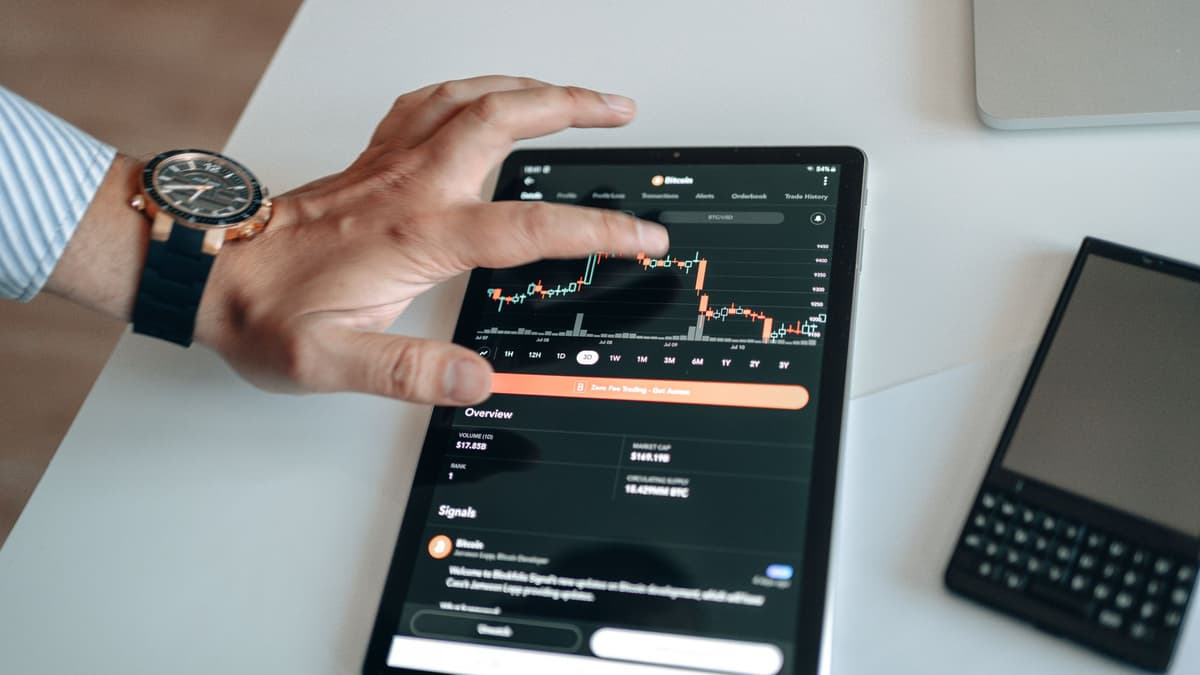
Whale accumulation is identified by tracking sustained net inflows into non-custodial wallets and observing stablecoin reserves moving into specific ecosystem assets. By monitoring wallet clusters that consistently acquire tokens during periods of price stagnation or decline, market participants can observe early signals of institutional or large-scale confidence before a broader narrative gains mainstream momentum.
Understanding the Whale Accumulation Signal
In early 2026, the market has seen a distinct shift in how large holders interact with assets like Solana and Bitcoin. Whale accumulation is rarely a single transaction; it is a deliberate series of entries that often occurs while the broader market sentiment remains neutral or negative. When a large wallet cluster accumulates during a drawdown, it suggests that these entities are not trading for short-term liquidity, but are positioning for long-term network utility or ecosystem growth.
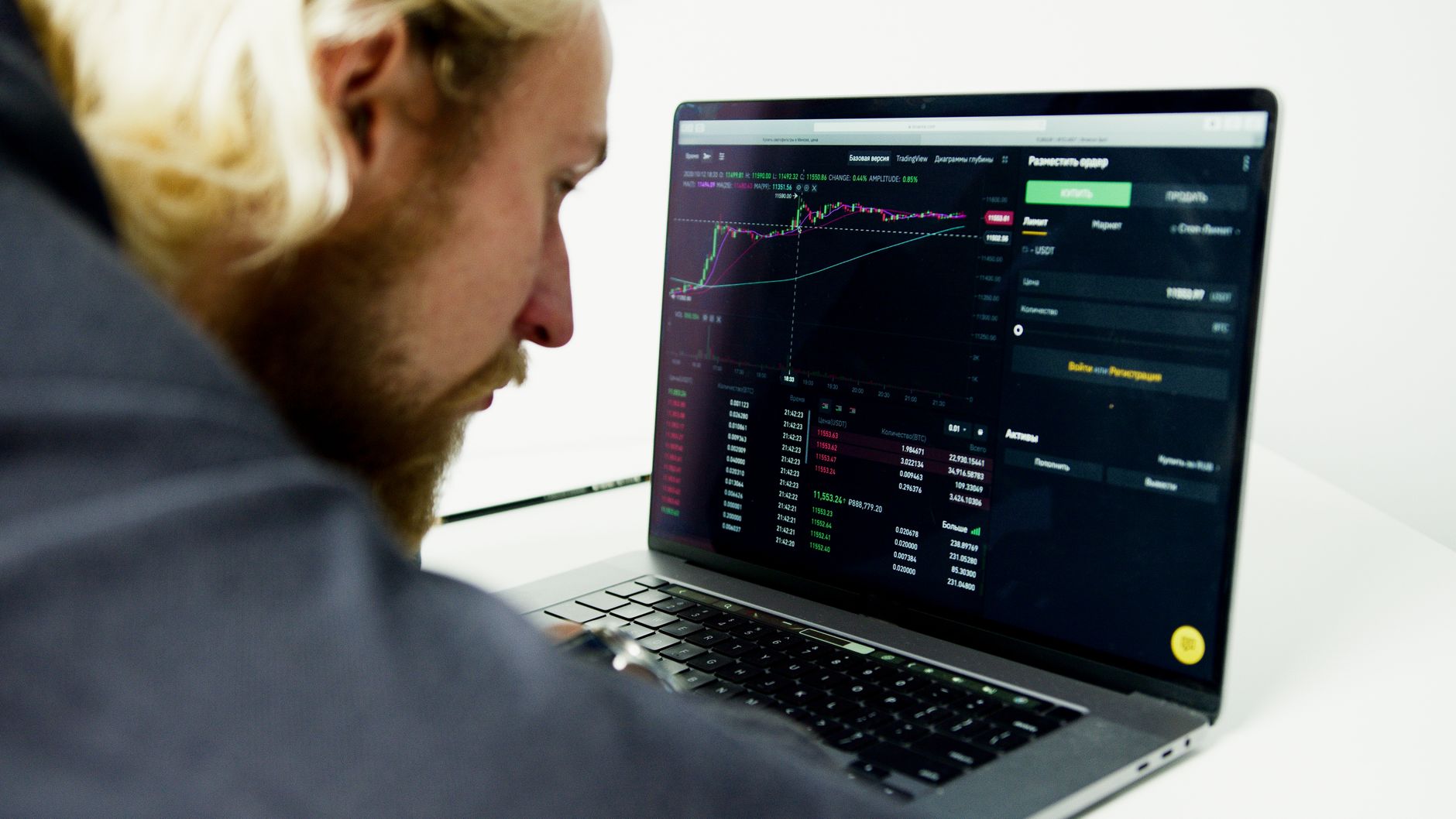
How to Track Accumulation Patterns
To identify where fresh capital is flowing, you must look beyond price action and analyze the raw data on-chain. Follow these steps to conduct your own analysis using block explorers and standard scanning tools:
1. Analyze Wallet Clusters
Look for groups of wallets that share similar transaction patterns or funding sources. If multiple wallets are receiving funds from a common bridge or exchange address simultaneously and then deploying capital into the same asset, this is a strong indicator of a coordinated accumulation strategy rather than scattered retail interest.
2. Monitor Liquidity Provisioning
Check if the tokens being accumulated are being moved into decentralized liquidity pools. Whales often provide liquidity to stabilize the asset before a narrative heats up. If you see large amounts of an asset being locked in protocol contracts, it indicates a desire to support the ecosystem's infrastructure rather than just flipping the token for quick profit.
3. Evaluate Holder Concentration
Use a scanner to view the top holders' list. If the percentage of tokens held by the top 100 wallets is increasing while the total supply remains constant, it suggests that smaller holders are capitulating and transferring their positions to larger, more patient entities.
4. Observe On-Chain Volume vs.
Price
If the trading volume on decentralized exchanges is rising but the price is staying flat or declining, this is a classic sign of "absorption." This means there is significant buying pressure effectively soaking up all the sell-side liquidity at a specific range.
Why 2026 Trends Matter
The current market environment is characterized by increased institutional integration. For example, the expansion of payment rails and the adoption of on-chain visa cards have created new demand for assets like Solana. Whales are not just betting on price; they are betting on the network’s ability to facilitate real-world consumer access. When you see infrastructure-heavy updates, look for the corresponding whale wallets to increase their exposure to those specific ecosystem tokens.
FAQ
Does whale accumulation guarantee that a token will increase in price?
No. Whale accumulation signals confidence and long-term positioning, but it does not guarantee price appreciation. Market conditions, project-specific risks, and external macroeconomic factors can override even the most aggressive accumulation patterns.
Where should I look for the most accurate whale data?
Use public blockchain explorers. These tools provide the raw data necessary to see every transaction. While aggregated dashboards exist, verify their findings by checking the underlying block data yourself. Always cross-reference multiple wallets to ensure you are seeing a trend rather than a single outlier transaction.
What this is NOT
This article is not financial advice, not a buy signal, and not an endorsement of any specific asset. All analysis provided is for educational purposes regarding on-chain tracking techniques.
Related posts in On-Chain & Whale Tracking
- On-Chain & Whale Tracking
Decoding Bonding Curve Metrics: A 2026 Guide to On-Chain Memecoin Analysis
Master the art of reading bonding curve metrics on Solana. Learn to identify whale accumulation, liquidity health, and migration readiness before price moves.
Memelogs
- On-Chain & Whale Tracking
Decoding Bonding Curve Metrics: A 2026 Guide to Solana Memecoin Analysis
Master the art of reading bonding curve metrics before a memecoin moves. Learn how to track whale activity, liquidity shifts, and migration risks on Solana.
Memelogs
- On-Chain & Whale Tracking
On-Chain Red Flags: How to Spot Solana Rugpulls in 2026
Learn to identify common Solana rugpull patterns in 2026. Master on-chain checks for liquidity, wallet concentration, and contract risks before you participate.
Memelogs