
Altcoin Playbook 2026: Mastering On-Chain Data and Whale Tracking
Learn how to analyze Solana memecoin liquidity, holder concentration, and whale wallet activity using professional on-chain data methods for 2026.


Successful memecoin analysis in 2026 relies on verifying contract liquidity, identifying concentrated holder clusters, and monitoring the specific exit patterns of whale wallets. By focusing on transaction history rather than static holdings, market participants can better understand the risk profile of an asset before engaging with it.
The 2026 On-Chain Reality
The era of guessing based on social sentiment is largely over. In 2026, professional-grade analysis requires a disciplined approach to reading the Solana ledger. Every movement of funds is public, but the noise is higher than ever. To navigate this, you must look at the data architecture of a token: the Liquidity Pool (LP), the distribution of tokens, and the behavior of the largest wallets.
What this is NOT: This is not financial advice, not a buy signal, and not a guarantee of performance.
Core On-Chain Checklists
1. Analyze the Liquidity Pool (LP)
- Verify if the LP tokens are locked or burned to prevent rug-pull scenarios.
- Check the ratio of the token to the paired asset, such as SOL, to ensure price stability.
- Monitor the volume-to-liquidity ratio; if volume exceeds liquidity significantly, price slippage becomes a major risk.
2. Evaluate Holder Concentration
- Use a block explorer to view the top 20 holders of the token contract.
- Check if a high percentage of the total supply is held by a single cluster of wallets.
- Identify if the deployer wallet still holds a large portion of the supply, which often indicates high risk for future sell pressure.
3. Monitor Whale Wallet Patterns
- Look past the current balance and examine the transaction history of top holders.
- Identify wallets that consistently enter early and exit during price spikes.
- Filter out "exchange" wallets, as their activity represents institutional flows rather than individual whale behavior.
| Metric | Risk Signal | Stability Signal |
|---|---|---|
| Top 10 Holder % | >50% | <20% |
| LP Status | Unlocked | Burned/Locked |
| Whale Activity | Consistent Selling | Holding/Staking |
Understanding Whale Behavior
Tracking a whale is not about following their entry to copy them; it is about understanding their risk management. In 2026, the most successful market participants focus on PnL patterns. If a wallet has a history of exiting positions at specific profit targets, that wallet is a better signal for market exhaustion than a wallet that simply buys and holds.
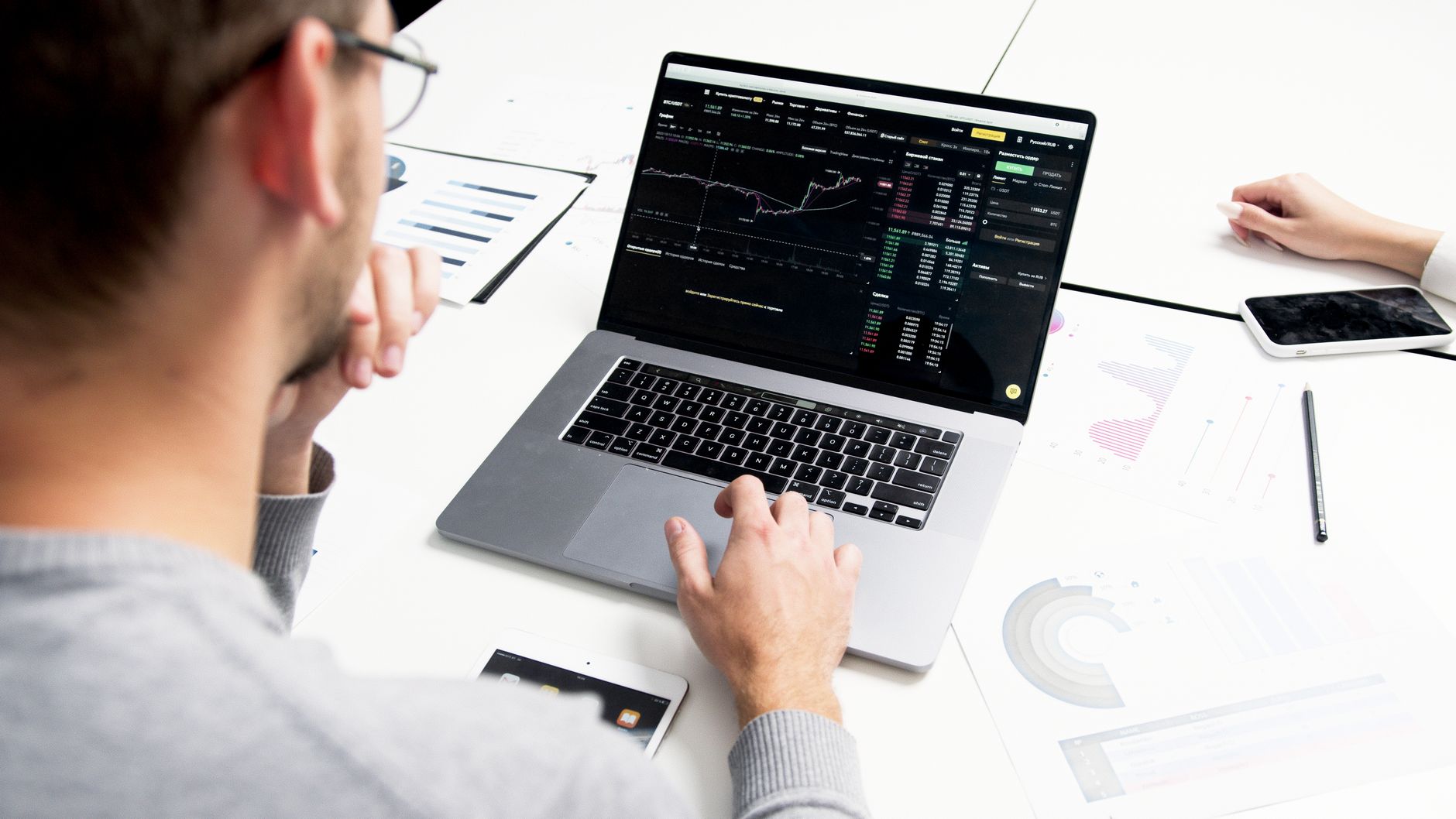
Always examine the "cluster" effect. If multiple wallets are funded by the same source address, they are likely controlled by a single entity. This is a common tactic to mask concentration and influence market perception. If you see five wallets all moving tokens at the same time, treat them as one single actor.
FAQ
What is the most common sign of a high-risk memecoin?
A high-risk asset typically displays extreme holder concentration where the top few wallets control a majority of the supply, combined with an unlocked liquidity pool that allows for sudden capital extraction.
Should I follow every move a top-performing wallet makes?
No. Following a wallet blindly ignores the fact that their entry price and risk tolerance are likely different from yours. Always use wallet activity as a data point to inform your own research rather than a direct instruction to trade.
Risk Management in 2026
The market is increasingly institutionalized. Volatility is not just a feature of the asset; it is a tool used by large actors to flush out retail participants. By maintaining a strict focus on on-chain data, you remove the emotional component of trading. If the data shows a dump in liquidity or a massive shift in holder concentration, the logical decision is to re-evaluate your position regardless of the current market hype. Stick to the data, monitor the flows, and prioritize capital preservation above all.
Related posts in On-Chain & Whale Tracking
- On-Chain & Whale Tracking
Decoding Bonding Curve Metrics: A 2026 Guide to On-Chain Memecoin Analysis
Master the art of reading bonding curve metrics on Solana. Learn to identify whale accumulation, liquidity health, and migration readiness before price moves.
Memelogs
- On-Chain & Whale Tracking
Decoding Bonding Curve Metrics: A 2026 Guide to Solana Memecoin Analysis
Master the art of reading bonding curve metrics before a memecoin moves. Learn how to track whale activity, liquidity shifts, and migration risks on Solana.
Memelogs
- On-Chain & Whale Tracking
On-Chain Red Flags: How to Spot Solana Rugpulls in 2026
Learn to identify common Solana rugpull patterns in 2026. Master on-chain checks for liquidity, wallet concentration, and contract risks before you participate.
Memelogs