
Why Logging Every Trade Reduces Panic in 2026 Memecoin Markets
Discover how maintaining a detailed trade journal can curb emotional decision-making, improve your process, and bring stability to volatile memecoin trading.

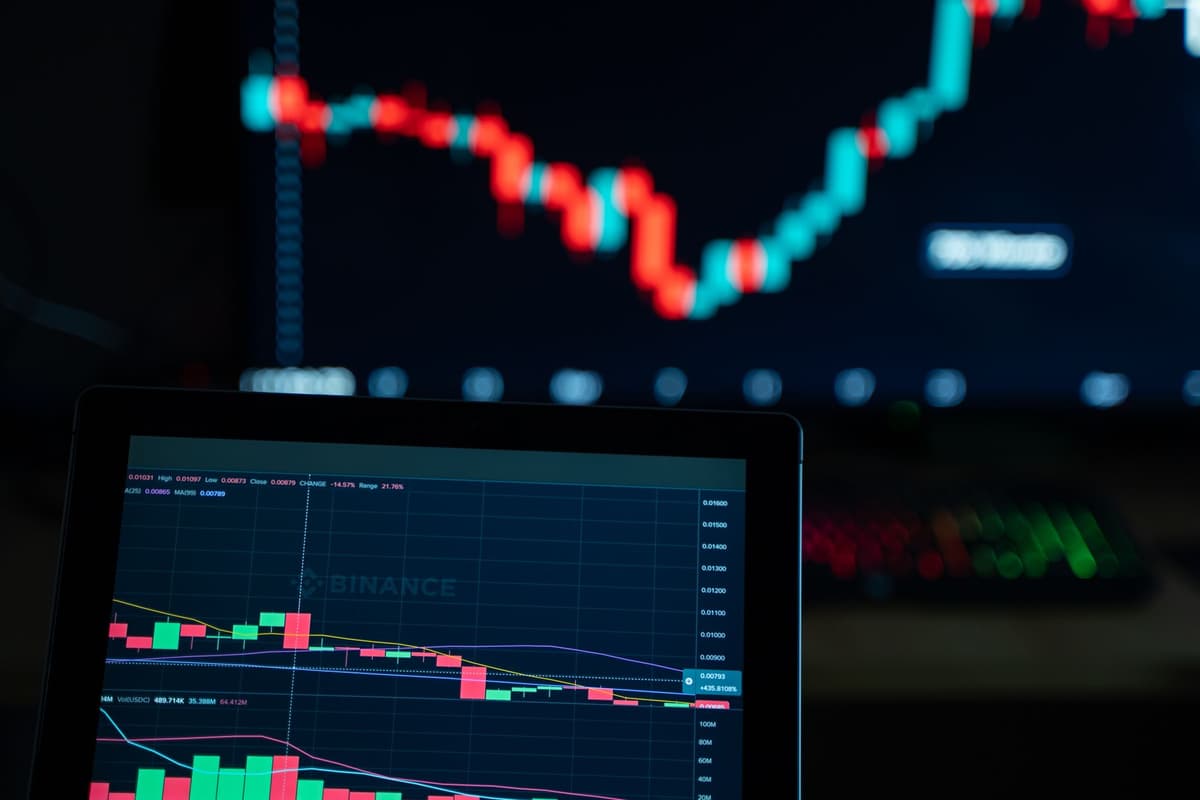
Logging every trade reduces panic by transforming chaotic market movements into a structured, objective history of your decision-making process. By documenting your thesis, emotional state, and exit logic before and after each move, you replace impulsive reactions with a repeatable, data-driven framework that minimizes the stress of volatility.
The Psychology of the 2026 Memecoin Landscape
Trading in the memecoin ecosystem is inherently high-stakes. In 2026, the speed of market cycles has only accelerated, with automated tools and AI-driven scripts executing orders in milliseconds. For the retail participant, this environment often feels like a constant state of "fight or flight." When a token experiences a sudden drawdown, the natural human reaction is to panic—to sell at the bottom or to double down on a losing position out of desperation.
I have been there. I have watched my portfolio swing by double digits in minutes, feeling that tightening in my chest that tells me to do something, anything, just to make the uncertainty stop. The turning point for my own journey wasn't finding a better bot or a faster connection; it was the discipline of keeping a trade log. When you are forced to write down why you are entering a position, the "why" often becomes glaringly apparent. If the answer is "because it is pumping," you immediately recognize the lack of a sound thesis. This simple act of writing things down acts as a friction point against impulse.
Why Records Outperform Instinct
Most market participants fail because they treat trading like a game of chance rather than a business. When you log your trades, you are essentially conducting a post-mortem on your own brain. You begin to see patterns: perhaps you consistently sell too early during small pullbacks, or maybe you only enter positions when you are feeling overconfident.
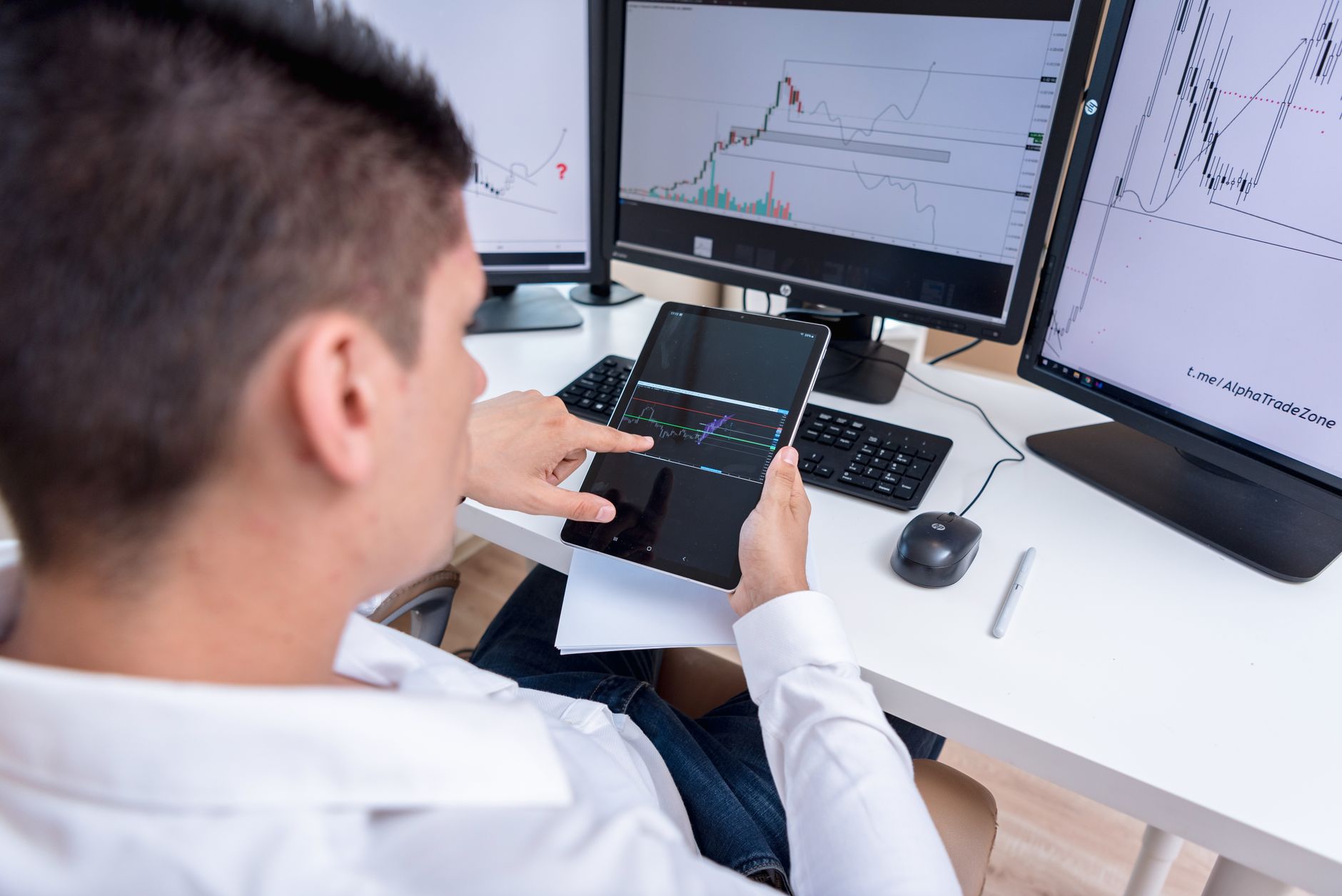
Transparency is the antidote to volatility. When you look back at a log of twenty trades, you stop seeing them as individual emotional traumas or wins and start seeing them as data points. If you know that your strategy has a 60% success rate, a single loss no longer feels like a personal failure; it feels like a statistical inevitability. That shift in perspective is what separates those who survive the volatile 2026 markets from those who burn out.
The Anatomy of a Useful Log
To effectively reduce panic, your log needs to be more than just a spreadsheet of PnL. It needs to capture the context of your decision. I recommend focusing on these five pillars for every entry:
- Thesis: What specific event or technical setup triggered this trade?
- Size: How much of your total capital is at risk, and why this amount?
- Emotion: How are you feeling? Are you calm, or are you chasing a previous loss?
- Exit Rule: At what point will you invalidate your thesis?
- Outcome: Did the trade play out as expected, and what was the actual result?
1. Define your thesis before clicking buy
2. Note your current emotional state to identify bias
3. Log the specific exit condition or invalidate trigger
4. Review the outcome against your original thesis
FAQ
How does logging help when a token goes to zero?
Logging helps by allowing you to review your decision-making process during the entry. If you see that you entered based on hype rather than a rug check or liquidity analysis, you learn to refine your filter for future trades. It shifts the focus from the loss of funds to the improvement of your methodology.
Can automation replace the need for manual journaling?
While automated scripts are excellent for logging technical data like entry prices and timestamps, they cannot capture your internal decision-making process or emotional state. You must supplement automated logs with your own subjective notes to gain a complete picture of your behavior.
Risk Awareness and Disclaimer
Engaging with memecoin markets carries a high degree of risk. The volatility inherent in these assets can lead to the total loss of capital. This content is for educational purposes only and does not constitute financial advice. Always perform your own due diligence, use security tools to check for suspicious developer activity, and never trade with money you cannot afford to lose. Your trading journey is your own responsibility, and no amount of logging can eliminate the risk of market instability.
Related posts in Memecoin Market Analysis
- Memecoin Market Analysis
Solana Wins in 2026: Why Your Best Trades Are Your Most Dangerous Moments
A Solana win in 2026 feels like destiny, but success is the greatest risk to your process. Learn how to journal post-profit to protect your capital.
Memelogs
- Memecoin Market Analysis
Memecoin Trading Post-Mortem: Lessons from the 2026 Market Contraction
Analyzing a memecoin loss in 2026 requires more than checking charts. Learn how to journal your emotional process and structural risks to improve your strategy.
Memelogs
- Memecoin Market Analysis
Shiba Inu and the 2026 Memecoin Cycle: A Reflective Market Analysis
Analyzing the 2026 Shiba Inu market cycle through a lens of emotional discipline, risk management, and the realities of memecoin volatility.
Memelogs