
The Memecoin Trap: Why Your Trading Story Isn't a Strategy
Learn the difference between a proactive 2026 memecoin strategy and the retrospective stories we tell ourselves after the market closes.

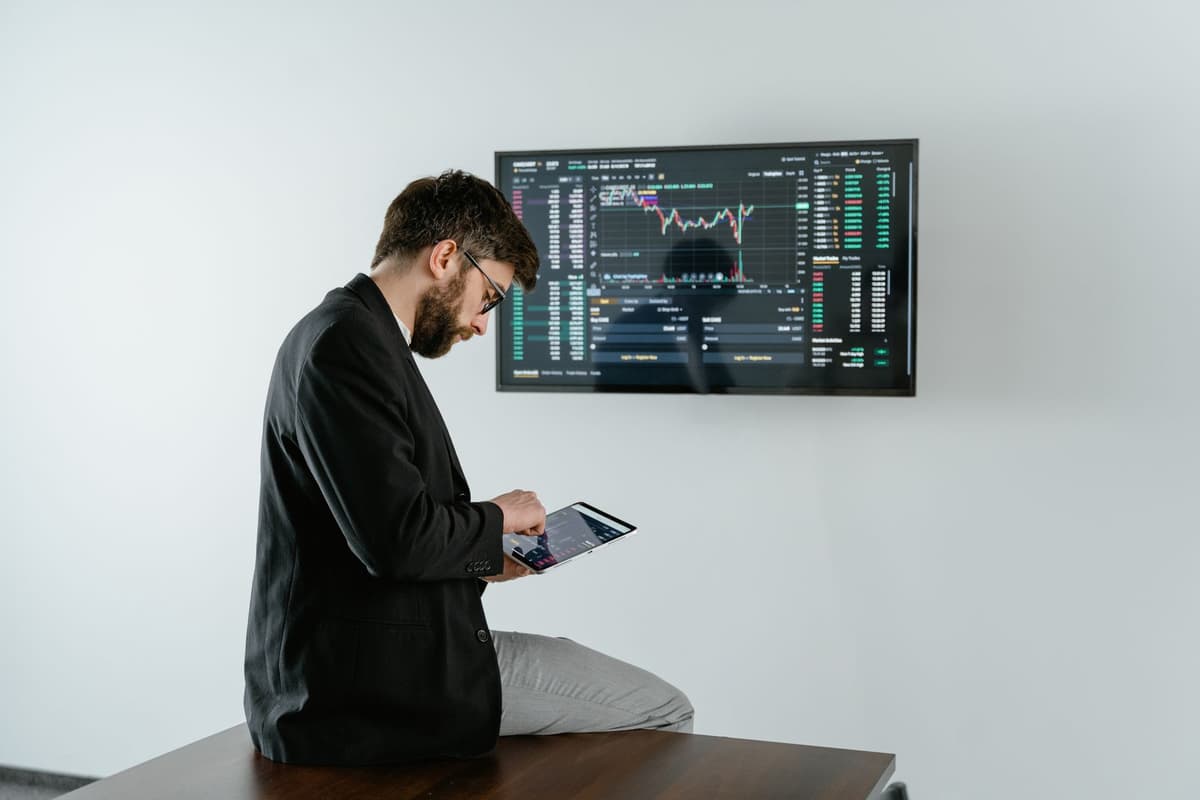
A trading plan is a set of pre-defined rules regarding entry, risk, and exit conditions that you establish before deploying capital. A story is the retrospective narrative you construct after an exit to explain away emotional decisions, often masking the lack of a disciplined framework.
The Anatomy of a Narrative Bias
In the fast-paced 2026 market, it is easy to confuse a 'gut feeling' with a 'thesis.' When we enter a position, we often do so based on a fragmented checklist or social sentiment. However, when the market moves against us—or even when we happen to win—we retroactively stitch together reasons to justify our actions. This is the difference between being a market participant who executes a plan and one who lives in a recurring story of 'what could have been.'
When a token rallies due to a viral stunt or a debunked rumor, the retrospective story often ignores the inherent smart contract risks or the fact that the volume was purely speculative. By failing to document your intent before the trade, you lose the ability to learn from the variance in high-risk assets.
The Danger of Post-Exit Rationalization
After exiting a position, the brain naturally seeks to minimize pain or maximize ego. If you lost money, you might tell yourself the market was 'rigged' or 'irrational.' If you made money, you might convince yourself you were a visionary for spotting a trend that was actually just luck. Neither narrative helps you in the next cycle. A plan, by contrast, focuses on the delta between your entry criteria and the actual market outcome.
The Journaling Framework
To stop the storytelling cycle, you must record your state of mind before the trade is executed. Use this structure to maintain accountability.
1. Pre-Trade Thesis
- Why am I entering this specific token right now?
- What is the social sentiment vs. the actual contract security?
- What is my maximum tolerable drawdown for this specific position?
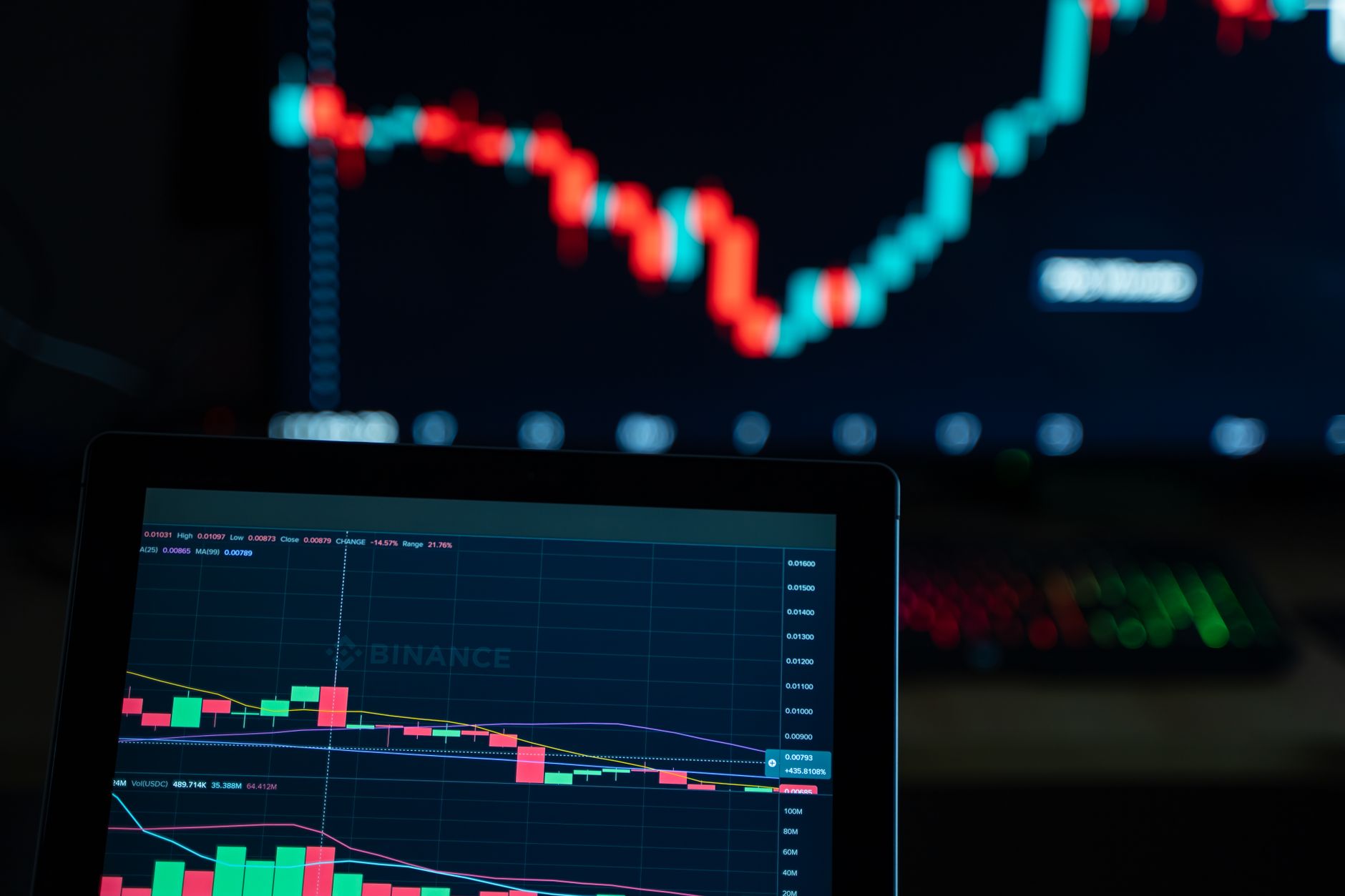
2. Emotional Baseline
- Am I entering because of FOMO or because the chart meets my technical requirements?
- Is my position size reflective of the high-variance nature of memecoins?
3. Execution Log
- Did I follow the entry conditions I set yesterday?
- Did I exit according to my rules or did I panic-sell during a temporary volatility spike?
FAQ
Why is it difficult to distinguish between a plan and a story?
It is difficult because our brains are wired for narrative. When we experience financial loss or gain, the emotional impact triggers a need to create a causal link, even if the market movement was random or driven by external factors like social media hoaxes.
How can I ensure my documentation remains objective?
Focus on data points rather than feelings. Instead of writing 'I felt like this would pump,' write 'I entered because the social volume increased by 20% and the smart contract passed the basic security audit.'
Maintaining Process Over Outcome
In the 2026 landscape, liquidity can shift in hours. Institutional interest in the Solana ecosystem and fluctuating DEX volumes mean that yesterday's winning strategy might be today's trap. If you rely on stories, you will constantly chase the last trend. If you rely on a plan, you will treat each trade as an isolated experiment in risk management.
Remember that no journaling template or strategy can guarantee positive returns in high-variance markets. All market participation carries the risk of total capital loss. Never invest funds you cannot afford to lose, and always conduct independent due diligence on contract security and deployment metrics before interacting with any decentralized protocol. Your objective is not to be right on every trade, but to be consistent in your reflection process so that your future decisions are informed by past reality, not past fiction.
Related posts in Memecoin Market Analysis
- Memecoin Market Analysis
Solana Wins in 2026: Why Your Best Trades Are Your Most Dangerous Moments
A Solana win in 2026 feels like destiny, but success is the greatest risk to your process. Learn how to journal post-profit to protect your capital.
Memelogs
- Memecoin Market Analysis
Memecoin Trading Post-Mortem: Lessons from the 2026 Market Contraction
Analyzing a memecoin loss in 2026 requires more than checking charts. Learn how to journal your emotional process and structural risks to improve your strategy.
Memelogs
- Memecoin Market Analysis
Shiba Inu and the 2026 Memecoin Cycle: A Reflective Market Analysis
Analyzing the 2026 Shiba Inu market cycle through a lens of emotional discipline, risk management, and the realities of memecoin volatility.
Memelogs