
The Difference Between a Trading Plan and a Narrative in 2026
Learn how to distinguish between a strategic trading plan and a post-hoc narrative to improve your decision-making in the volatile Solana memecoin market.

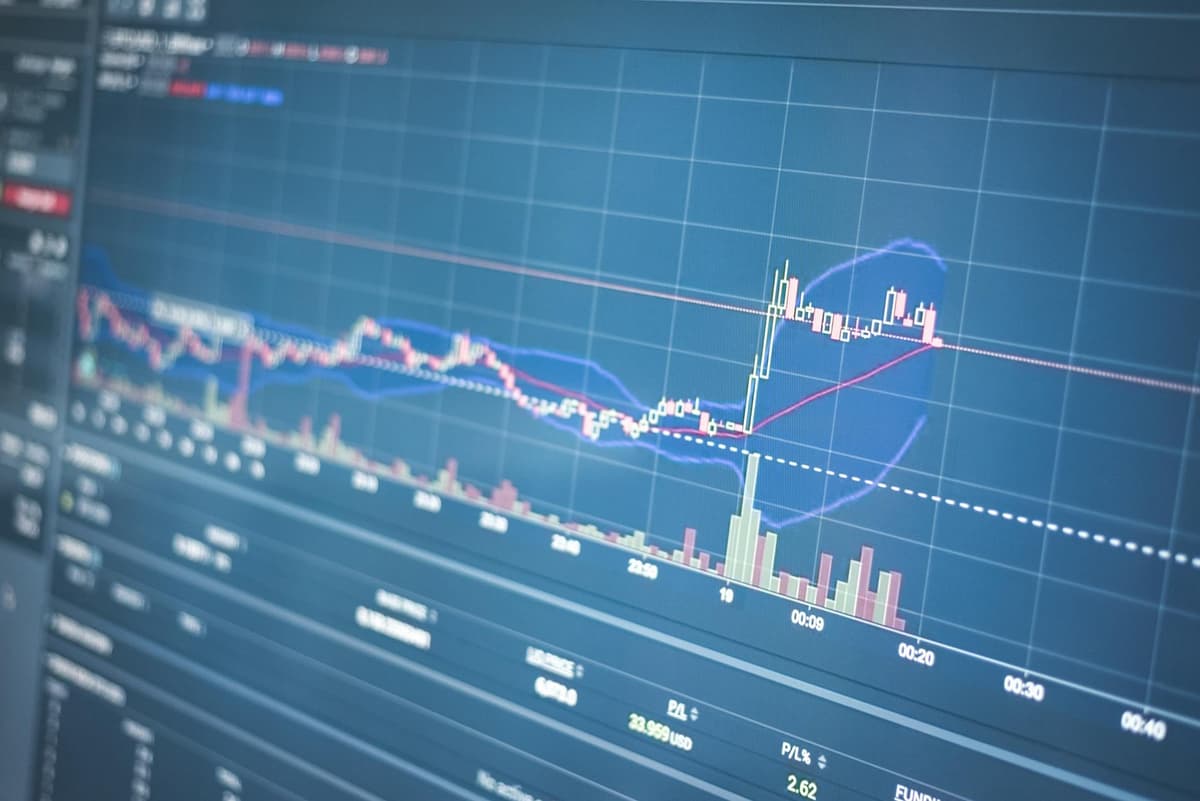
A trading plan is a documented set of rules created before an entry that defines your risk, thesis, and exit conditions. A narrative, or a story you tell yourself, is a psychological defense mechanism developed after an entry to justify losses or irrational emotional attachment to a failing position.
The Anatomy of a Narrative
In the landscape of 2026, where Solana memecoin liquidity can shift in seconds, the temptation to rewrite history is stronger than ever. Many market participants confuse a solid strategy with the stories they construct after the fact. When a position turns against you, the brain naturally seeks patterns to make sense of the pain. This is where the story begins. You might tell yourself, "The community is just shaking out weak hands" or "The fundamentals of this AI-infused token are still solid, despite the price drop."
These narratives are dangerous because they are retrospective. They feel like analysis, but they are actually justifications for holding onto a position that no longer fits the initial thesis. By the time you are telling yourself a story, you have usually stopped trading based on data and started trading based on hope.
Why Plans Fail Without Discipline
A plan is forward-looking. It dictates your actions before you have any skin in the game. It is cold, objective, and indifferent to the outcome of a single trade. In 2026, with the sheer speed of on-chain automated trading, a plan must account for liquidity depth and the potential for rapid volatility. If your plan says, "I will exit if the token drops 15%," but you find yourself watching the chart and telling a story about why it will bounce back, you have abandoned your plan in favor of a narrative.
The difference is critical: a plan is a set of instructions; a story is an emotional crutch. You cannot optimize your process if you are busy justifying your mistakes.
Practical Journaling for Process Improvement
To bridge the gap between planning and storytelling, you must log your entries with the same rigor you apply to your initial research. Use the following structure to ensure you are holding yourself accountable to a plan rather than a narrative.
1. Pre-Entry Fields
- Thesis: Why is this token worth the risk? (e.g., specific narrative, volume spike, or liquidity trend).
- Entry Criteria: What specific data point triggers the buy?
- Risk Limit: What is the maximum dollar amount I am comfortable losing on this specific asset?
- Exit Plan: At what price point or time horizon will I exit, regardless of the narrative?
2. Post-Exit Fields
- Outcome: Did the trade hit the profit target or the stop loss?
- Emotion: Did I feel anxious, bored, or overconfident during the holding period?
- Deviation: Did I follow my plan, or did I change the rules mid-trade?
- Lesson: What specific behavior can I improve for the next entry?
FAQ
How can I tell if I am following a plan or telling myself a story?
If you find yourself searching for new reasons to hold a position after it has already hit your pre-defined exit criteria, you are telling yourself a story. A plan is static until the exit criteria are met, whereas a story is constantly evolving to justify your current emotional state.
Does a trading plan need to change when market conditions shift?
Yes, but only between trades, not during them. You should adapt your strategy based on macro changes—such as overall Solana network volume or shifts in memecoin interest—but you must never alter your plan while a trade is active to avoid the trap of rationalizing a loss.
Risk Disclaimer
Trading in the memecoin market involves significant risk, including the total loss of capital. Market data in 2026 suggests that the sector is highly volatile and influenced by rapid automated activity. The information provided here is for educational purposes only and does not constitute financial advice, an offer to sell, or a solicitation of an offer to buy any securities or digital assets. Always conduct your own research and assess your risk tolerance before engaging with decentralized finance protocols.
Related posts in Memecoin Market Analysis
- Memecoin Market Analysis
Solana Wins in 2026: Why Your Best Trades Are Your Most Dangerous Moments
A Solana win in 2026 feels like destiny, but success is the greatest risk to your process. Learn how to journal post-profit to protect your capital.
Memelogs
- Memecoin Market Analysis
Memecoin Trading Post-Mortem: Lessons from the 2026 Market Contraction
Analyzing a memecoin loss in 2026 requires more than checking charts. Learn how to journal your emotional process and structural risks to improve your strategy.
Memelogs
- Memecoin Market Analysis
Shiba Inu and the 2026 Memecoin Cycle: A Reflective Market Analysis
Analyzing the 2026 Shiba Inu market cycle through a lens of emotional discipline, risk management, and the realities of memecoin volatility.
Memelogs