
Solana Trade Post-Mortem: Analyzing My 2026 Memecoin Losses
A deep dive into my 2026 Solana trading loss. Learn how to journal your emotional triggers and market failures to refine your long-term strategy.

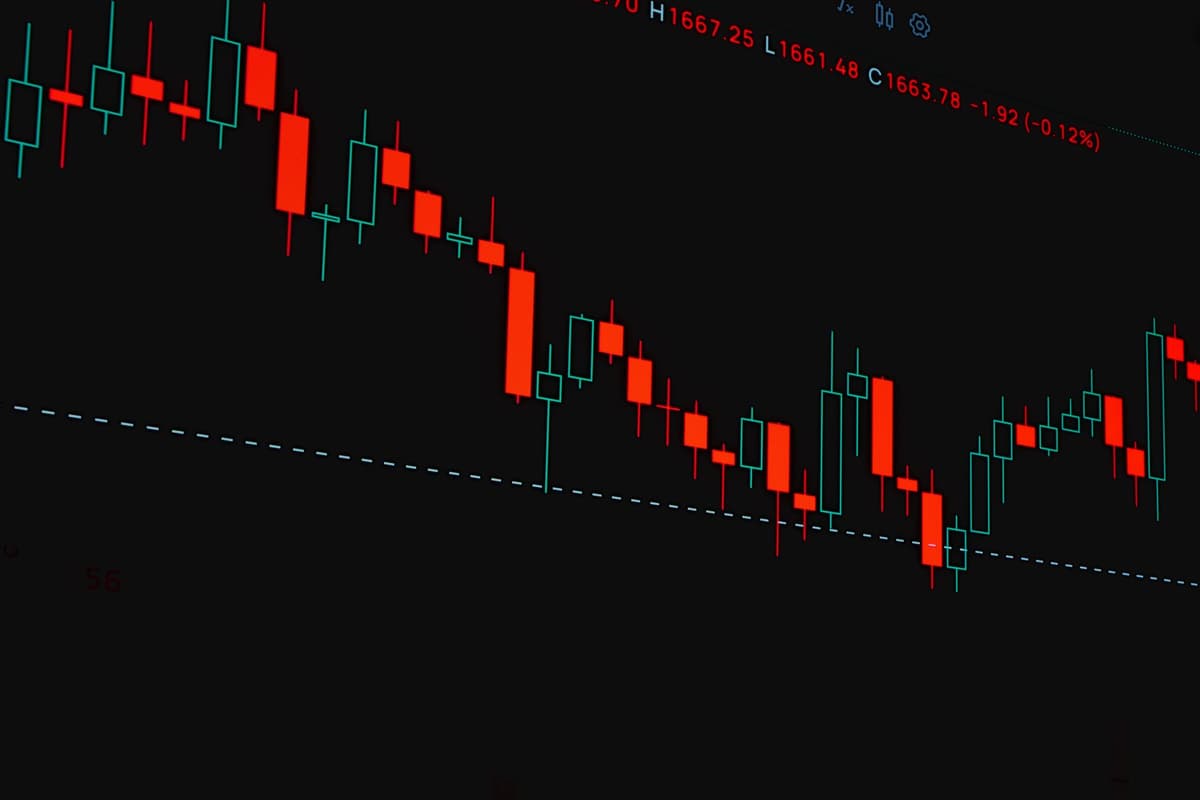
My recent loss on Solana was driven by ignoring the structural decline in ecosystem confidence, specifically the exodus of validators and the sharp drop in decentralized finance activity. By conducting a post-mortem, I identified that my emotional bias toward 'buying the dip' blinded me to the reality of capital flight rather than healthy market rotation.
The Anatomy of a Failed Trade
When the market pulled back, my initial instinct was to view the 45% slide as a standard volatility event. I had seen these patterns before, and my history suggested that Solana would eventually reclaim its ground. However, the 2026 landscape was fundamentally different. My journal logs from that week revealed a glaring disconnect between my technical analysis and the on-chain reality.
I was looking for a 'buy the dip' signal, but the data—specifically the realization that the 30-day average profit-to-loss ratio had dipped below 1—was screaming that the market was in a regime shift. I was trading a chart pattern while the ecosystem was experiencing a fundamental bleed. The double-top formation at $265 was not just a technical resistance; it was a psychological ceiling that the market had already accepted as a point of no return. By the time the neckline at $170 failed, I was already deep in a position, hoping for a bounce that never came.
Emotional Discipline and Journaling
My journal is not just a ledger of entries and exits; it is a mirror of my decision-making process under stress. When I reviewed the notes from my worst trading days in 2026, I noticed a recurring pattern of 'hope-based' entries. I wasn't waiting for confirmation; I was anticipating a reversal because I was uncomfortable with the loss.
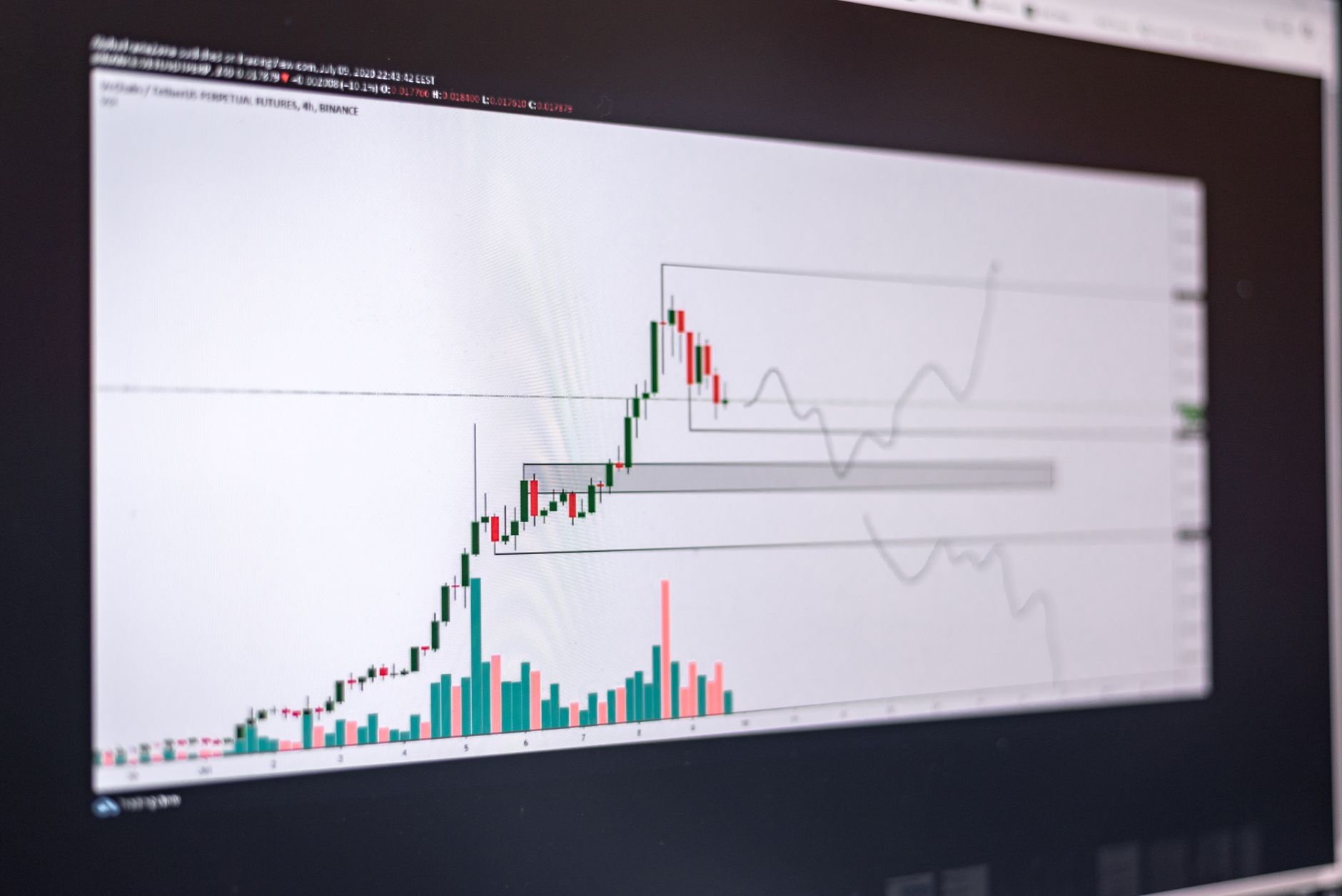
To improve, I have restructured my journal to force objectivity. A good post-mortem must be cold, analytical, and devoid of self-flagellation. It is about identifying the gap between what I expected to happen and what the on-chain metrics actually dictated.
Practical Post-Mortem Checklist
- Did I check the current TVL trends before entering the position?
- Did I confirm if the profit-to-loss ratio is trending above or below 1?
- Was my entry based on a confirmed breakout or a 'gut feeling' of a bottom?
- What was my emotional state on a scale of 1-10 regarding the trade outcome?
- Did I adhere to my pre-defined exit rule when the $170 support level was breached?
The Reality of Capital Flight
One of the most sobering realizations from my research into this period was the simultaneous decline of TVL and DEX volumes. When capital flows out of an ecosystem, it is rarely a temporary rotation. It is a sign of declining confidence. As a market participant, it is easy to get caught up in the noise of social media sentiment, but the on-chain metrics—the 'architectural insights' of the network—do not lie. When validators begin to leave the network at a rate comparable to the price decline, the structural integrity of the asset is compromised.
1. Analyze the Context
Look beyond the price action. Is the network activity increasing or decreasing? Check for validator health and TVL stability.
2. Audit the Emotion
Write down exactly how you felt when the trade went against you. Did you panic? Did you double down? Acknowledge the bias.
3. Define the Threshold
At what price point does your thesis become invalidated? If the price hits that number, the exit must be automatic, not emotional.
FAQ
Why is a profit-to-loss ratio below 1 considered a bearish signal?
It indicates that more participants are realizing losses than gains. This suggests that the market is currently dominated by sellers looking to exit their positions, rather than buyers looking to accumulate, which often leads to sustained downward pressure.
How can I distinguish between a healthy market correction and a loss of confidence?
Healthy corrections usually involve rotating capital within the ecosystem. A loss of confidence is characterized by a net withdrawal of capital, evidenced by dropping TVL and declining DEX volumes, as seen during the 2026 Solana downturn.
Disclaimer
This article is for educational purposes only and does not constitute financial advice. Market participation involves significant risk, including the total loss of capital. Always perform your own research and never trade with money you cannot afford to lose. The observations shared here are based on personal reflections and historical market data.
Related posts in Memecoin Market Analysis
- Memecoin Market Analysis
Solana Wins in 2026: Why Your Best Trades Are Your Most Dangerous Moments
A Solana win in 2026 feels like destiny, but success is the greatest risk to your process. Learn how to journal post-profit to protect your capital.
Memelogs
- Memecoin Market Analysis
Memecoin Trading Post-Mortem: Lessons from the 2026 Market Contraction
Analyzing a memecoin loss in 2026 requires more than checking charts. Learn how to journal your emotional process and structural risks to improve your strategy.
Memelogs
- Memecoin Market Analysis
Shiba Inu and the 2026 Memecoin Cycle: A Reflective Market Analysis
Analyzing the 2026 Shiba Inu market cycle through a lens of emotional discipline, risk management, and the realities of memecoin volatility.
Memelogs