
Revenge Trading in 2026: How Emotional Volatility Destroys Memecoin Portfolios
Discover how revenge trading erodes your crypto portfolio. Learn to identify emotional triggers and implement a disciplined journaling process for 2026.

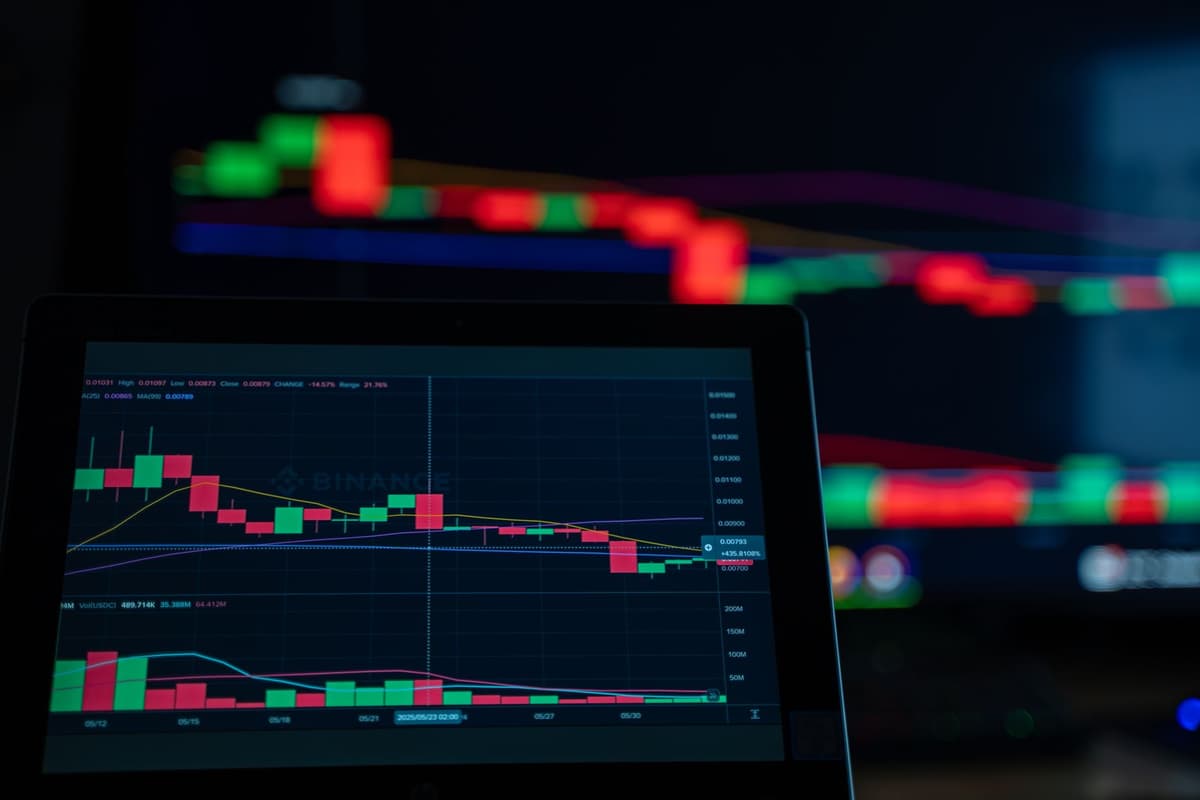
Revenge trading is the act of attempting to recover losses through impulsive, high-risk entries immediately following a failed trade. This behavior destroys portfolios by replacing analytical strategy with emotional desperation, ultimately leading to a cycle of rapid capital depletion in the volatile memecoin market.
The Anatomy of a Breakdown
In 2026, the memecoin landscape remains a high-stakes arena. Whether you are navigating tokens on Solana or chasing narratives across other chains, the temptation to "win back" what the market took is the single greatest threat to your longevity. When a trade goes south, the brain often shifts from a state of objective analysis to one of fight-or-flight.
I have seen portfolios that were built over months of careful research vanish in a single afternoon of revenge trading. It starts with a simple loss—perhaps a token that failed to gain traction or a rug pull that caught you off guard. Instead of stepping away to reset, you increase your position size, target a more volatile asset, and ignore your entry criteria. You are no longer looking for a setup; you are looking for a miracle.
The Psychology of the Reset
Market participants often forget that the market does not know they exist. It does not owe you a recovery. When you trade out of anger, you are effectively betting against your own logic. In the current 2026 environment, where memecoin volatility is often exacerbated by sophisticated wash trading and whale movements, playing with a clear head is the only edge you have. If your heart rate rises while looking at a chart, you have already lost the trade before placing the order.
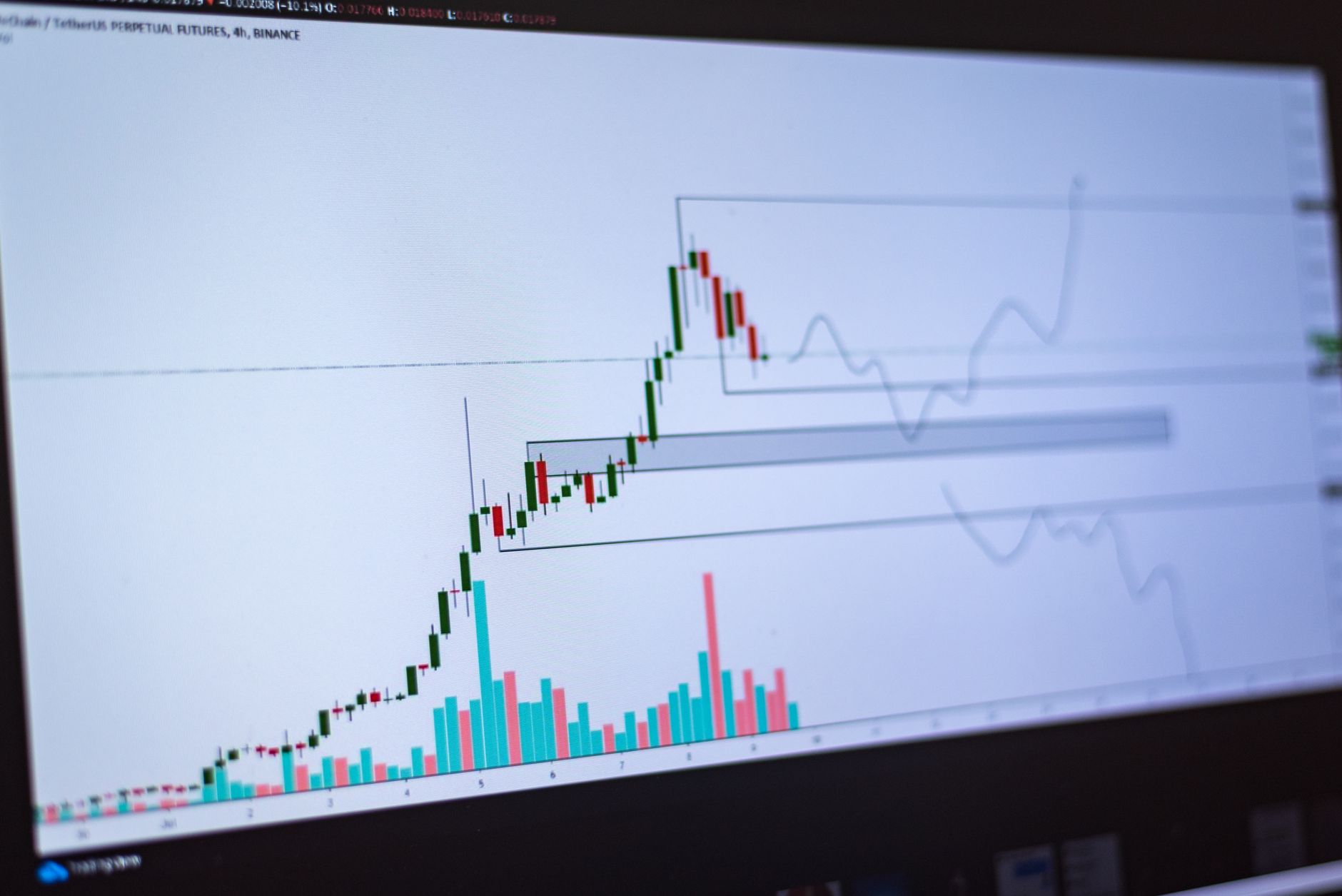
Practical Journaling for Discipline
To combat emotional impulses, your journal must capture more than just profit and loss. It must capture your state of mind. Use this template to force a pause between trades:
- Date and Time: When was the trade executed?
- Thesis: What specific data or narrative led to this entry?
- Size: Was the position size within your established risk parameters?
- Emotional State: How were you feeling before the click (e.g., calm, frustrated, bored, FOMO)?
- Exit Rule: Did you hit your predetermined stop-loss or profit target?
- Outcome: What was the result, and did it align with your initial thesis?
- Lesson: If the trade failed, was it a market error or an execution error?
1. The Pre-Trade Pause
Before executing any transaction, write down exactly why you are entering. If you cannot articulate the thesis in one sentence, you are trading based on impulse.
2. The Post-Trade Audit
At the end of the day, review your "Emotional State" entries. If you notice a pattern of frustration leading to larger losses, you must implement a mandatory cooling-off period after every stop-loss trigger.
FAQ
Why does revenge trading feel so compelling during market downturns?
It is a psychological reaction to perceived injustice. When a market participant suffers a loss, the brain views the remaining capital as an opportunity to fix the "error." This creates a sense of urgency that overrides risk management, making the participant believe that the next trade will definitively correct the previous mistake.
Can a structured journal actually stop me from making bad trades?
Yes, because it forces a transition from the emotional brain to the analytical brain. By writing down your thesis and emotional state, you create a barrier that prevents impulsive clicking. It turns trading from a reactive experience into a documented, repeatable process that emphasizes long-term survival over short-term recovery.
Risk Disclaimer
Trading memecoins involves significant risk of loss. Market conditions in 2026 are highly volatile, and past performance is never indicative of future results. The information provided here is for educational purposes only and does not constitute financial advice. Never trade with capital you cannot afford to lose, and always conduct your own due diligence before interacting with any smart contract or liquidity pool. Your financial decisions are your sole responsibility.
Related posts in Memecoin Market Analysis
- Memecoin Market Analysis
Solana Wins in 2026: Why Your Best Trades Are Your Most Dangerous Moments
A Solana win in 2026 feels like destiny, but success is the greatest risk to your process. Learn how to journal post-profit to protect your capital.
Memelogs
- Memecoin Market Analysis
Memecoin Trading Post-Mortem: Lessons from the 2026 Market Contraction
Analyzing a memecoin loss in 2026 requires more than checking charts. Learn how to journal your emotional process and structural risks to improve your strategy.
Memelogs
- Memecoin Market Analysis
Shiba Inu and the 2026 Memecoin Cycle: A Reflective Market Analysis
Analyzing the 2026 Shiba Inu market cycle through a lens of emotional discipline, risk management, and the realities of memecoin volatility.
Memelogs