
On-Chain Tracking Guide: Mastering Sol Scanner for Solana Analysis 2026
Master the art of Solana memecoin analysis in 2026. Learn how to verify contract security, assess liquidity, and journal your process to mitigate risks.

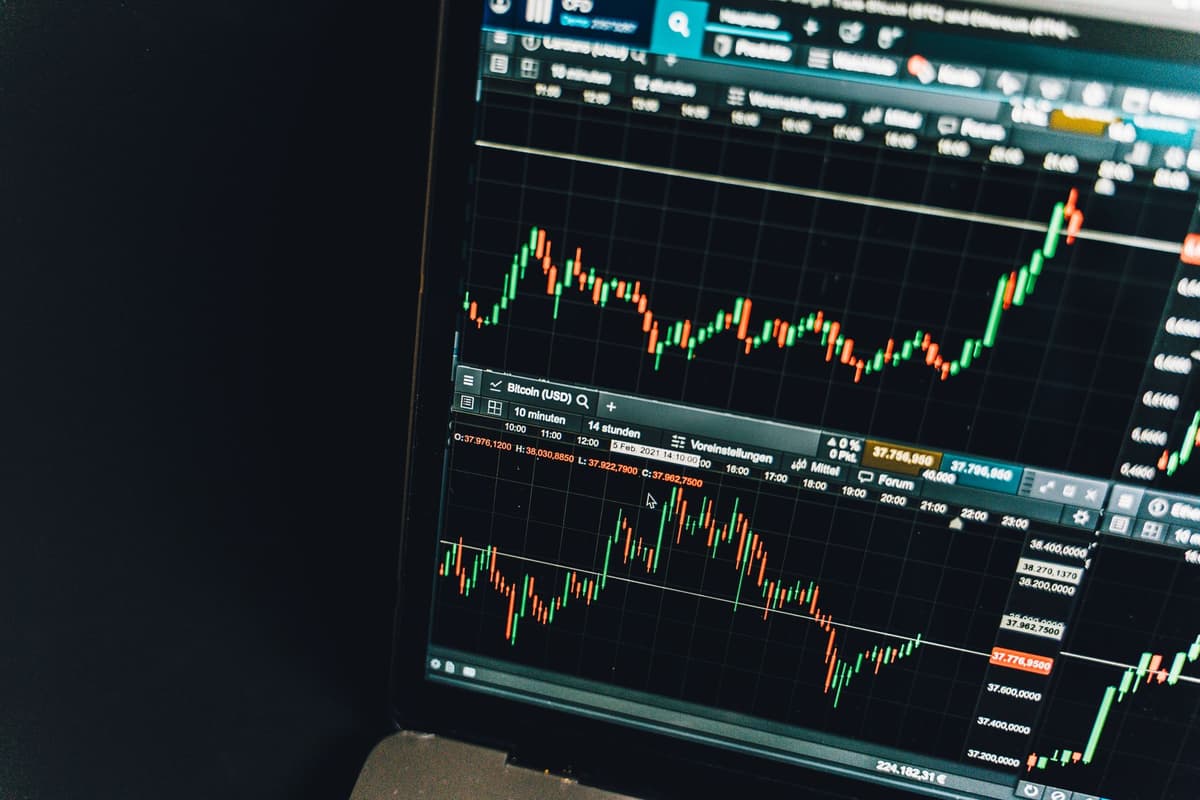
Mastering Solana analysis requires a systematic approach to verifying contract security and liquidity health before engaging with any asset. By utilizing on-chain scanning tools to identify red flags like developer clusters or malicious transfer hooks, market participants can significantly reduce the risk of rug pulls and improve their decision-making process.
The Reality of the Solana Jungle
I remember my first few weeks in the Solana memecoin ecosystem. It felt like standing in the middle of a high-speed highway. The pace is relentless, the memes move faster than logic, and the temptation to 'ape' into a trending ticker is an emotional trap that catches even the most seasoned participants. I have lost my fair share of capital to projects that looked legitimate on the surface but crumbled within minutes of launch.
The truth is, the Solana network is a high-performance environment that demands an equally high-performance analytical framework. You cannot rely on hype or social media sentiment alone. In 2026, the edge belongs to those who view the blockchain as a raw data source rather than a casino floor. It is about slowing down, scanning the underlying code, and acknowledging that most of these assets are designed for liquidity extraction.
Establishing an On-Chain Workflow
To survive, you must build a routine that forces you to pause before clicking 'buy.' My process has evolved into a mandatory checklist that I execute for every single token I consider.
1. Verify the Contract Security
Never trust the front-end of a website. Use dedicated scanners to check if the contract is verified. Look for 'mint authority'—if it hasn't been renounced, the developer can print more tokens at will, effectively diluting your holdings to zero.
2. Assess Liquidity Health
Liquidity is the lifeblood of a token. Check if the initial liquidity is burned or locked. If the liquidity pool is shallow or easily removable by the creator, the project is a ticking time bomb. High slippage is often a sign of insufficient liquidity.
3. Analyze Holder Distribution
I look for 'developer clusters'—instances where a handful of wallets hold a significant percentage of the supply. If the top holders are all connected to the deployer's wallet, they have the power to exit their positions and crush the price instantly.
The Importance of Journaling
My greatest improvement in this space didn't come from a new tool, but from a simple notebook. When you trade in the heat of the moment, your brain lies to you. You remember the wins and conveniently forget the reckless entries.

My Daily Journal Template
Maintain a log for every significant interaction with the chain. A good entry should include:
- Thesis: Why do I think this token has potential? Is it the meta, the community, or the volume?
- Size: How much risk am I taking relative to my total portfolio?
- Emotion: Am I feeling FOMO? Am I bored? Am I trying to 'win back' a previous loss?
- Exit Rule: At what point do I invalidate my thesis and exit?
- Outcome: What actually happened compared to my expectation?
- Lesson: What technical red flag did I miss or what emotional bias triggered the entry?
FAQ
How can I spot a rug pull before it happens?
Look for red flags in the on-chain data such as unrenounced mint authority, lack of locked liquidity, and the presence of custom transfer hooks that restrict selling. If a token shows a high concentration of supply in developer-linked wallets, it is a major warning sign.
Is it possible to automate my analysis to keep up with the speed of Solana?
While automated tools and bots can assist in executing fast trades, they do not replace the need for fundamental analysis. You should use them to filter out obviously malicious contracts, but always perform your final verification manually before committing capital.
Risk Disclosure
Trading memecoins on the Solana network involves an extreme level of risk. The market is highly volatile, and the majority of projects fail or result in total loss of capital. This content is for educational purposes only and does not constitute financial advice. Never invest money that you cannot afford to lose, and always maintain a disciplined approach to risk management. Your results will depend on your ability to remain objective and adhere to your own established rules.
Related posts in Memecoin Market Analysis
- Memecoin Market Analysis
Solana Wins in 2026: Why Your Best Trades Are Your Most Dangerous Moments
A Solana win in 2026 feels like destiny, but success is the greatest risk to your process. Learn how to journal post-profit to protect your capital.
Memelogs
- Memecoin Market Analysis
Memecoin Trading Post-Mortem: Lessons from the 2026 Market Contraction
Analyzing a memecoin loss in 2026 requires more than checking charts. Learn how to journal your emotional process and structural risks to improve your strategy.
Memelogs
- Memecoin Market Analysis
Shiba Inu and the 2026 Memecoin Cycle: A Reflective Market Analysis
Analyzing the 2026 Shiba Inu market cycle through a lens of emotional discipline, risk management, and the realities of memecoin volatility.
Memelogs