
Mastering Sol Scanner: On-Chain Analysis for Solana Memecoin Markets 2026
Learn how to use Sol Scanner for deep on-chain analysis of Solana memecoins. Master contract security, liquidity checks, and emotional discipline in 2026.

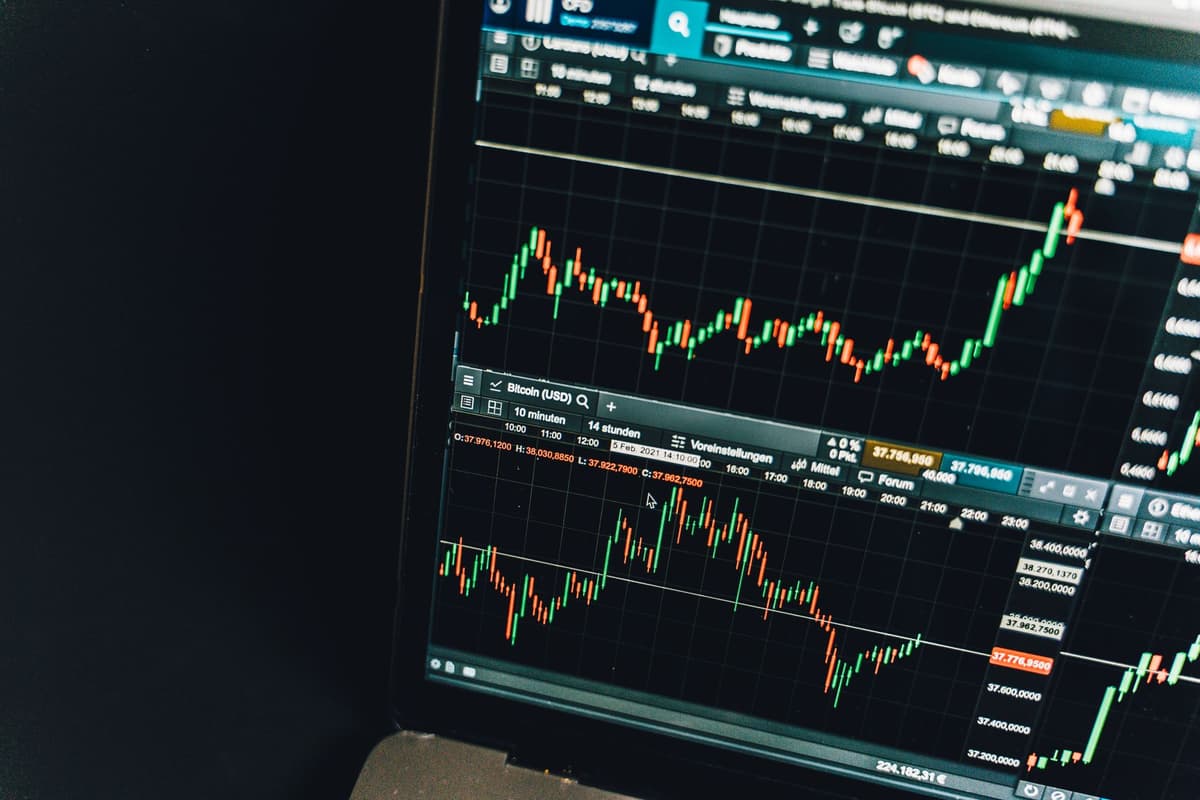
Sol Scanner serves as your primary lens into the Solana ledger, allowing you to verify contract security, track holder distribution, and monitor liquidity flow in real-time. By systematically auditing transactions and wallet behaviors, you can filter out high-risk assets and maintain a disciplined, data-driven approach to market volatility.
Deep Diving into Contract Security
Security is the foundation of any sustainable strategy. In the current Solana ecosystem, I have learned the hard way that a flashy social presence often masks a hollow contract. Using Sol Scanner, I always begin by inspecting the contract source. I look for ownership renouncement and verify that the mint authority has been disabled. If the mint authority remains active, the developers possess the technical capability to inflate the supply at will, which is a massive red flag. Always verify if the contract utilizes transfer hooks, as these can be used to restrict your ability to sell your holdings during periods of high demand.
Analyzing the Bubble: Holder Distribution
I often check the top holders list to identify potential "bundled" buys. If a handful of wallets own more than 30% of the circulating supply, the risk of a coordinated dump is extreme. I look for a healthy, organic distribution where no single entity dominates. If I see a cluster of wallets that were all funded by the same origin address at the exact same time, I classify that as a red flag for artificial volume. Learning to distinguish between organic community growth and coordinated manipulation is the most important skill you can develop.
Liquidity: The Lifeblood of the Trade
Liquidity is what allows you to enter and exit without massive slippage. I never engage with a pool that lacks a locked or burned liquidity component. Using on-chain tools, I verify the percentage of liquidity that is effectively removed from the developer's control. A shallow pool with low global fees paid is a trap; it guarantees that even a small sell order will cause a massive price crash. I prioritize pairs that demonstrate a minimum threshold of liquidity to ensure that the asset can handle moderate market participation.
Execution Mastery: Speed and Slippage
Technical execution is where many participants lose their edge. When you are interacting with the blockchain, your slippage settings define your safety margin. I recommend keeping slippage tight, even if it means missing an entry, rather than allowing excessive tolerance that exposes you to sandwich attacks. Understanding how to read transaction logs helps you identify if a trade was "bundled" or if you are fighting against automated bots that are faster than your manual inputs.
The Psychological Edge: On-Chain Reality vs.
Social Noise
The hardest part of this process is ignoring the "fear of missing out" generated by social platforms. I maintain a personal trade journal to bridge the gap between my emotional state and the on-chain reality. By logging my thesis, size, and the emotional trigger behind a trade, I have found that I am less likely to repeat the same mistakes.
1. Thesis: Why am I entering this specific asset?
2. Size: Is this position size within my risk tolerance?
3. Emotion: Am I trading out of boredom or a calculated signal?
4. Exit Rule: What is my predefined condition for taking profit or cutting losses?
5. Outcome: Did the market reflect my analysis, or was I caught in a trap?
6. Lesson: What specific piece of data on Sol Scanner did I miss?
Summary of Key Points
- Verify contract ownership renouncement and mint authority status.
- Check top holder distribution to identify potential manipulation.
- Ensure liquidity is locked or burned to prevent rug pulls.
- Use a structured journal to track your emotional state versus on-chain data.
- Treat your capital with caution; never invest more than you are prepared to lose.
FAQ
What is the most important metric to check on Sol Scanner before trading?
The most critical metric is the contract's mint authority status and the distribution of token holders. If the mint authority is not renounced, the supply can be manipulated, and if top holders are clustered, the asset is susceptible to a coordinated exit.
How can I avoid getting trapped by bundled transactions?
You should examine the transaction history of the token launch. If you see multiple buy orders originating from the same funding source within the same block, these are likely bundled buys designed to create a false sense of volume and interest.
Risk Disclaimer
Trading memecoins on the Solana network involves a high degree of risk and potential for total loss of capital. Market volatility is extreme, and smart contract vulnerabilities or malicious developer actions can occur without warning. All information presented here is for educational purposes only and does not constitute financial, investment, or legal advice. Perform your own due diligence and never trade with funds you cannot afford to lose.
Related posts in Memecoin Market Analysis
- Memecoin Market Analysis
Solana Wins in 2026: Why Your Best Trades Are Your Most Dangerous Moments
A Solana win in 2026 feels like destiny, but success is the greatest risk to your process. Learn how to journal post-profit to protect your capital.
Memelogs
- Memecoin Market Analysis
Memecoin Trading Post-Mortem: Lessons from the 2026 Market Contraction
Analyzing a memecoin loss in 2026 requires more than checking charts. Learn how to journal your emotional process and structural risks to improve your strategy.
Memelogs
- Memecoin Market Analysis
Shiba Inu and the 2026 Memecoin Cycle: A Reflective Market Analysis
Analyzing the 2026 Shiba Inu market cycle through a lens of emotional discipline, risk management, and the realities of memecoin volatility.
Memelogs