
ETH vs BTC to IDR in 2026: Navigating the Shift in Market Architecture
Analyzing the 2026 landscape for Ethereum and Bitcoin. Learn how to track chain rotation, manage emotional volatility, and refine your memecoin strategy.

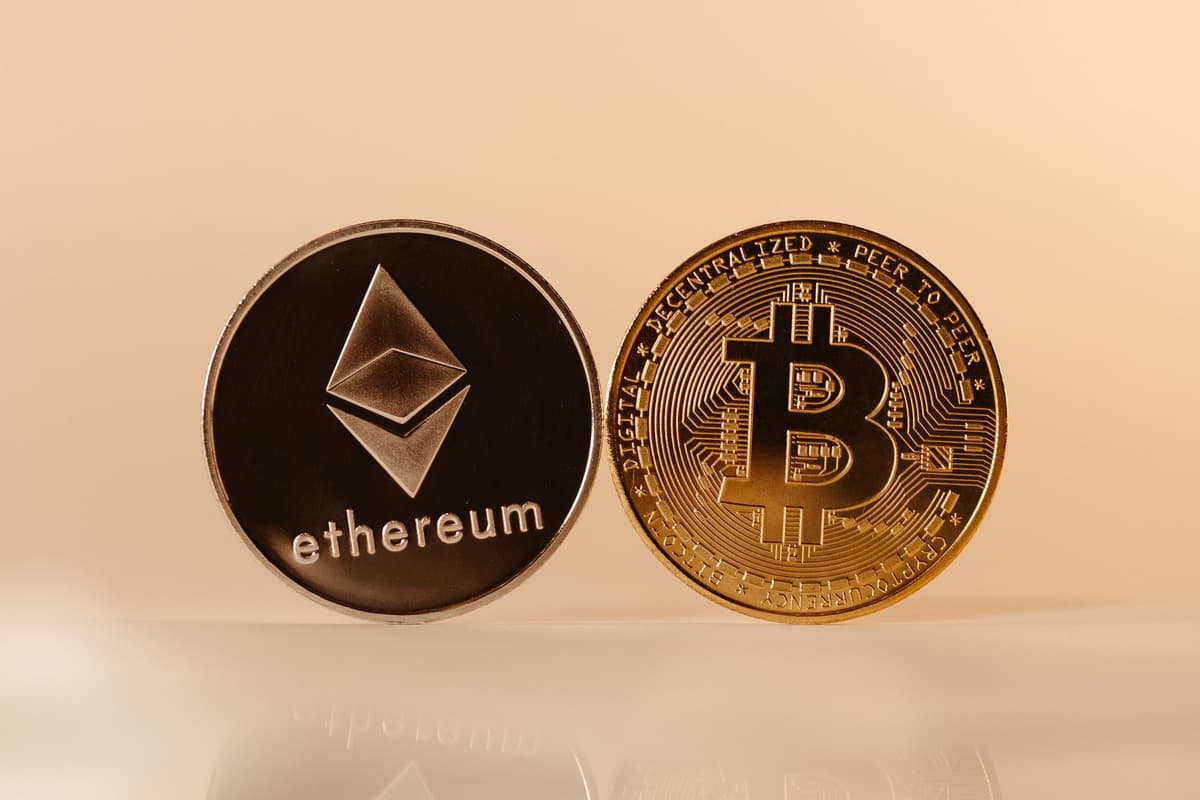
In 2026, the relationship between Bitcoin, Ethereum, and the IDR-denominated market is defined by intense competition for capital and developer attention. While Bitcoin remains a primary benchmark, Ethereum faces significant pressure from chains like Solana, forcing investors to shift from "buy and hold" mentalities toward active monitoring of ecosystem trends and tokenization adoption.
The Architecture of Market Rotation
When we look at the 2026 crypto landscape, the most critical shift is the realization that capital does not simply expand to fill all buckets simultaneously. Instead, it rotates. When Bitcoin moves sideways or faces macroeconomic headwinds, liquidity often migrates to ecosystems that offer the most immediate "build season" momentum—currently dominated by tokenization projects and memecoin activity on high-throughput chains.
As someone who has navigated the psychological toll of these rotations, I have learned that the worst thing you can do is marry a specific chain. If you are holding ETH and watching capital flow toward Solana-based real-world asset (RWA) tokenization, the frustration is real. I have felt the sting of holding "blue chip" assets while the "degen" rotation captures all the volatility. The lesson here isn't to chase every pump, but to recognize that the market architecture has matured. Exchange exits and regulatory pressures mean the days of easy, across-the-board gains are over.
Emotional Discipline and the Journaling Habit
In my own process, I have found that tracking entries and exits is secondary to tracking the "why." When I look back at my logs from periods where I lost capital, it was almost always due to emotional FOMO during a chain rotation. To counter this, I have refined my journaling process. It is not about the price of ETH in IDR; it is about the consistency of my decision-making.
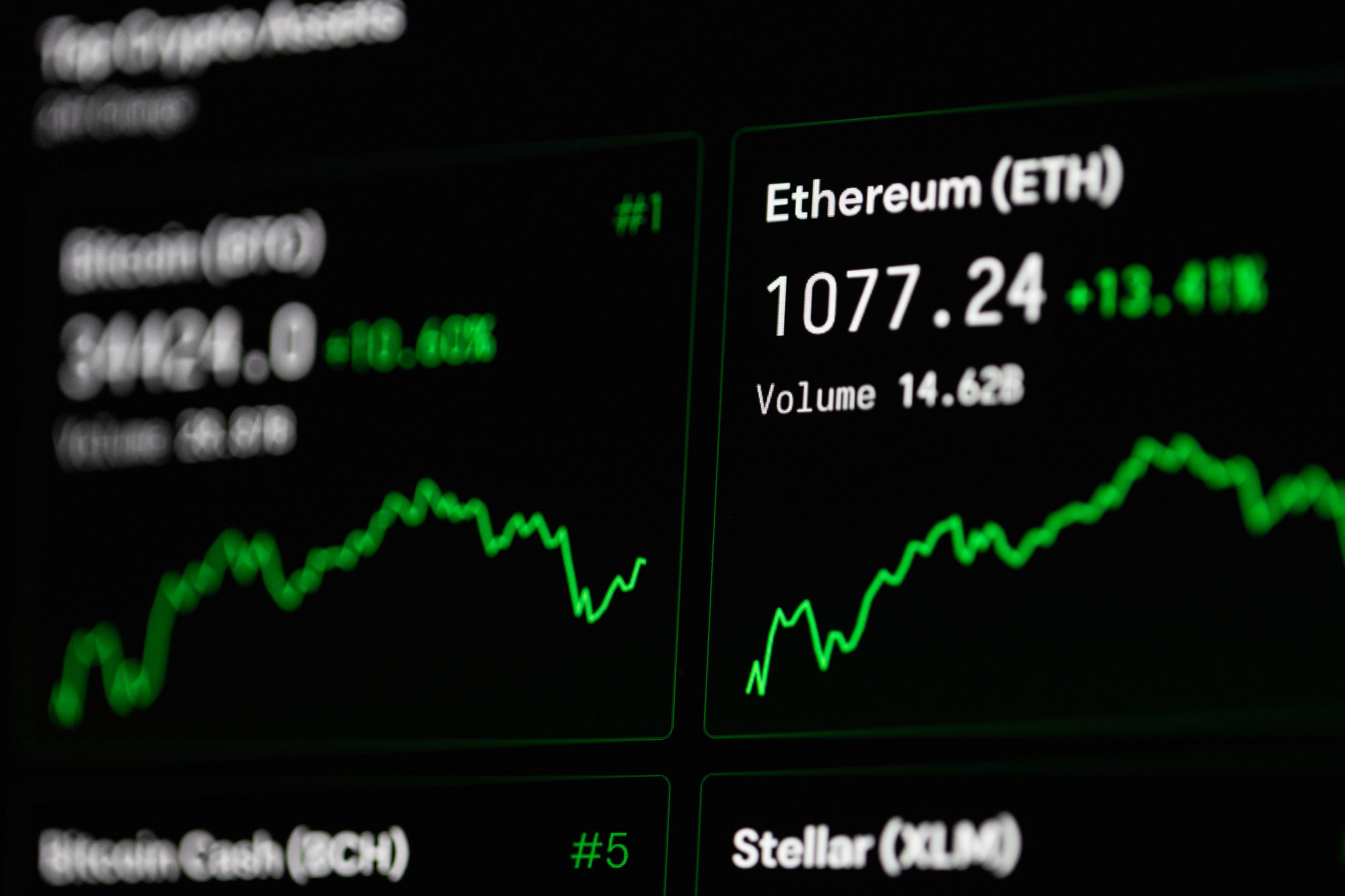
1. Define the thesis before the trade
2. Note the emotional state (e.g., "Anxious due to missing the Solana run")
3. State the exit rule (e.g., "Exit if the 24-hour volume drops 20% below the moving average")
4. Document the outcome and the lesson learned
By keeping these logs, you stop seeing the market as a series of random events and start seeing it as a series of repeatable patterns. When the market slides, your job is not to panic, but to review your journal to see if you stayed true to your risk parameters.
The Reality of 2026 Competition
We are seeing a maturing landscape where Ethereum remains a powerhouse for stablecoins and institutional adoption, while other chains capture the frenzy of memecoin launchpads and rapid-fire tokenization. This is not a zero-sum game for the entire industry, but it is a zero-sum game for your portfolio if you are over-concentrated in a single narrative.
If you find yourself "bag holding" while the market shifts, resist the urge to revenge trade. Instead, look at the data. Are developers still building on the chain you are holding? Is the volume there? If the trend is clearly moving toward a new ecosystem, it is often better to acknowledge the loss, take the lesson, and reallocate based on current empirical trends rather than past glory.
FAQ
Is there a guaranteed path to profit in the 2026 market?
No. The market is highly competitive and volatile. Any claim of a guaranteed return is misleading. Success in this market requires disciplined risk management and a deep understanding of how capital rotates between different blockchain ecosystems.
How can I effectively track the shift between Ethereum and other chains?
Focus on monitoring developer activity, stablecoin dominance, and the volume of new assets being launched. Rather than looking for a single "winner," build a basket of assets that reflect the current dominant trends, such as tokenized stocks or memecoin infrastructure, and adjust your exposure based on performance metrics rather than sentiment.
Risk Disclaimer
Trading digital assets involves a high degree of risk, including the total loss of principal. The information provided here is for educational purposes only and does not constitute financial, investment, or legal advice. Market conditions change rapidly; always conduct your own due diligence and never invest money you cannot afford to lose. Past performance of any blockchain or token does not guarantee future results.
Related posts in Memecoin Market Analysis
- Memecoin Market Analysis
Solana Wins in 2026: Why Your Best Trades Are Your Most Dangerous Moments
A Solana win in 2026 feels like destiny, but success is the greatest risk to your process. Learn how to journal post-profit to protect your capital.
Memelogs
- Memecoin Market Analysis
Memecoin Trading Post-Mortem: Lessons from the 2026 Market Contraction
Analyzing a memecoin loss in 2026 requires more than checking charts. Learn how to journal your emotional process and structural risks to improve your strategy.
Memelogs
- Memecoin Market Analysis
Shiba Inu and the 2026 Memecoin Cycle: A Reflective Market Analysis
Analyzing the 2026 Shiba Inu market cycle through a lens of emotional discipline, risk management, and the realities of memecoin volatility.
Memelogs