
ETH to USD 2026: Market Cycles and the Emotional Cost of Memecoin Volatility
Navigating ETH to USD trends in 2026 requires understanding the interplay between Ethereum stability and memecoin momentum. Learn to journal your process.

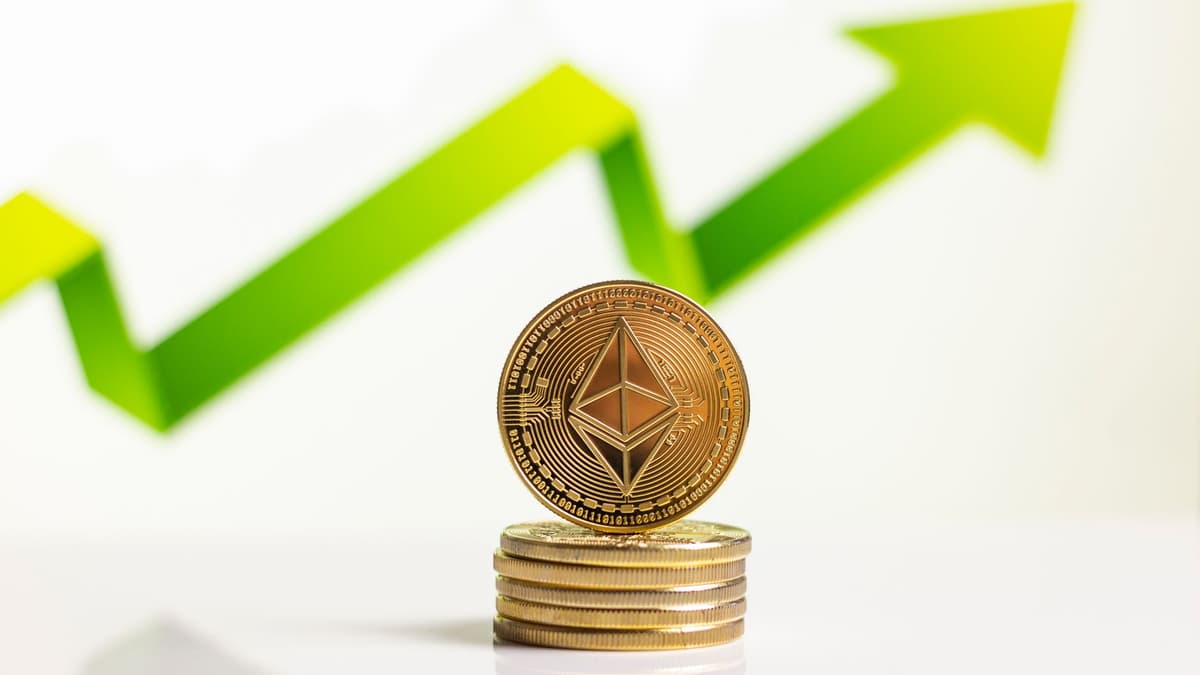
As Ethereum approaches the $3,200 range and beyond in 2026, the market is defined by a distinct divergence between established assets and high-volatility memecoins. Investors are finding that while ETH provides a baseline for market sentiment, the speculative capital rotating into memecoin assets creates extreme price fluctuations that require a disciplined, journal-focused approach to survive.
The Anatomy of a Market Divergence
When I look at the ETH to USD charts, it is easy to get caught up in the raw numbers. Seeing Ethereum hover around the $3,200 mark in late 2025 and early 2026 triggers a specific type of psychological feedback loop. There is a sense of comfort in the "blue chip" stability of Ethereum, yet the market data shows that liquidity is frequently being pulled toward speculative memecoins.
I have learned the hard way that watching the price alone is a trap. In my earlier days, I treated every green candle as a signal to act. When the market moves, the urge to chase the latest surge—whether it is a new token trending on a decentralized exchange or a legacy asset breaking resistance—is overwhelming. The reality is that the market does not care about my entry price or my desire for a quick win. It only cares about liquidity and sentiment.
The Emotional Tax of Volatility
There is a specific exhaustion that comes with monitoring memecoin volatility. We have seen instances where tokens plummet by 97% overnight, often after being linked to high-profile asset seizures or sudden shifts in internet sentiment. These events are not just financial losses; they are emotional drainers.
When I lose on a speculative play, the immediate reflex is to "make it back" on the next one. This is the most dangerous state of mind for any market participant. The goal of MemeLogs is to separate the emotional impulse from the systematic process. If you are not logging your state of mind alongside your technical thesis, you are only doing half the work.
Journaling for the 2026 Landscape
To stay objective while the broader market oscillates, I have moved away from simple spreadsheets. I now use a qualitative log that forces me to confront my biases before I commit capital. If you cannot explain why you are entering a position without using the word "momentum," you likely shouldn't be in it.
Practical Journaling Template
Use this framework to review your activity at the end of every week:
- Thesis: What is the specific catalyst for this position? (e.g., protocol upgrade, liquidity shift, or social volume surge).
- Size: Is this position small enough that a total loss would not change my standard of living?
- Emotion: How did I feel when I pressed the button? (e.g., Fear of missing out, boredom, or overconfidence).
- Exit Rule: At what point do I invalidate my own thesis?
- Outcome: Did I follow the rules set in step 4, or did I deviate under pressure?
- Lesson: What specific behavior can I improve for the next cycle?
FAQ
Why does the ETH to USD price seem disconnected from the memecoin market?
Ethereum serves as the primary liquidity layer for the broader ecosystem. When ETH is stable or rising, investors feel more confident in taking risks on smaller, speculative assets. However, when memecoin activity spikes, it often signals a peak in retail speculative interest, which can precede a cooling-off period for the entire market.
Is it possible to be profitable in memecoin speculation long-term?
Profitability in this space is rarely about finding the next "moon" and almost always about risk management and cycle awareness. Most participants lose capital because they treat speculation as a lottery rather than a game of probability. Those who stay solvent are the ones who treat their portfolio like a business, documenting their mistakes and limiting their exposure to high-risk assets.
Risk Disclaimer
This analysis is for educational purposes only and does not constitute financial advice. The cryptocurrency market, particularly memecoins, is subject to extreme volatility and the potential for total loss of capital. Always perform your own due diligence and never invest more than you can afford to lose. Market participants should be aware that past performance is not indicative of future results.
Related posts in Memecoin Market Analysis
- Memecoin Market Analysis
Solana Wins in 2026: Why Your Best Trades Are Your Most Dangerous Moments
A Solana win in 2026 feels like destiny, but success is the greatest risk to your process. Learn how to journal post-profit to protect your capital.
Memelogs
- Memecoin Market Analysis
Memecoin Trading Post-Mortem: Lessons from the 2026 Market Contraction
Analyzing a memecoin loss in 2026 requires more than checking charts. Learn how to journal your emotional process and structural risks to improve your strategy.
Memelogs
- Memecoin Market Analysis
Shiba Inu and the 2026 Memecoin Cycle: A Reflective Market Analysis
Analyzing the 2026 Shiba Inu market cycle through a lens of emotional discipline, risk management, and the realities of memecoin volatility.
Memelogs