
BTC to ETH and Solana: Market Dynamics and Portfolio Lessons in 2026
Navigate the evolving 2026 crypto landscape. Learn how to track institutional flows, manage emotional biases, and audit your strategy with our journal template.

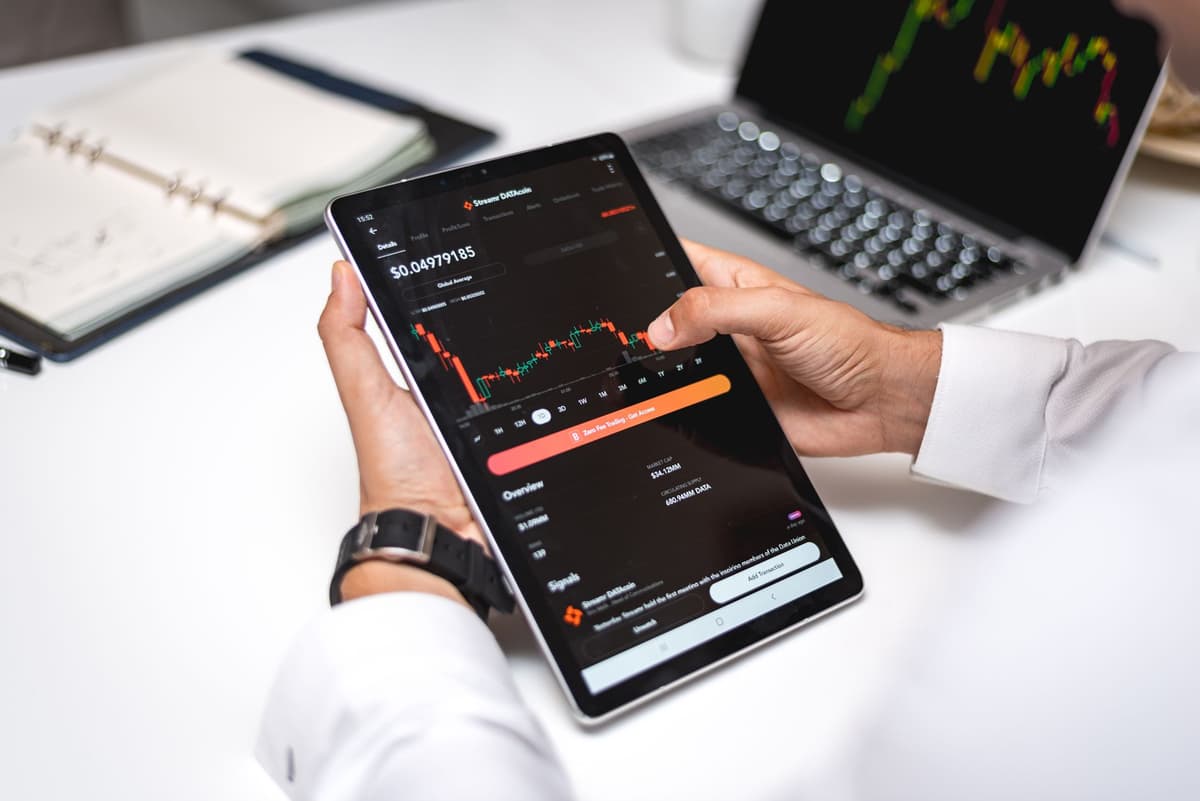
In 2026, the intersection of Bitcoin, Ethereum, and Solana is defined by institutional-grade ETFs and the growing dominance of on-chain tokenization. Market participants are increasingly shifting focus toward assets that demonstrate real-world utility and consistent on-chain growth, moving beyond simple speculation to evaluate long-term ecosystem viability.
The Institutional Shift in 2026
The landscape of digital asset markets has fundamentally transformed since the mid-2025 regulatory clarity regarding stablecoins. We are no longer operating in the wild west of the early 2020s. With major financial institutions now launching low-fee ETFs for Ethereum and Solana, the barrier to entry for capital allocators has dropped significantly.
I have observed that many retail participants struggle to adapt to this shift. The reflexive urge to chase high-volatility memecoins remains, but the smart money is increasingly tracking monthly on-chain asset growth and regulated on-chain volume. When companies like Blackrock or Franklin Templeton signal interest, the market dynamic changes from pure sentiment to a focus on institutional infrastructure. My own process has had to evolve; I now spend more time analyzing protocol changelogs and regulatory updates than I do watching short-term price candles.
Emotional Discipline and the Journaling Habit
One of the hardest lessons I learned this year was that my worst losses occurred when I let the "FOMO" of a trending token override my thesis. In this market, if you do not have a defined process, you are just providing liquidity for those who do.
Journaling is not just about recording a win or a loss; it is about documenting the "why" behind every action. If you cannot explain why you entered a position in a few sentences, you should not be in it. My journal now forces me to confront my emotional state during the entry. Am I bored? Am I frustrated by a previous loss? If the answer is yes, I step away from the terminal.
1. Define your thesis before any interaction with the market.
2. Log the specific emotion you felt at the moment of execution.
3. Determine your exit rule based on the initial thesis, not price action.
4. Review the outcome against your original logic after 48 hours.
Practical Journaling Template
Use this framework to audit your behavior. Consistency here is more valuable than any indicator.
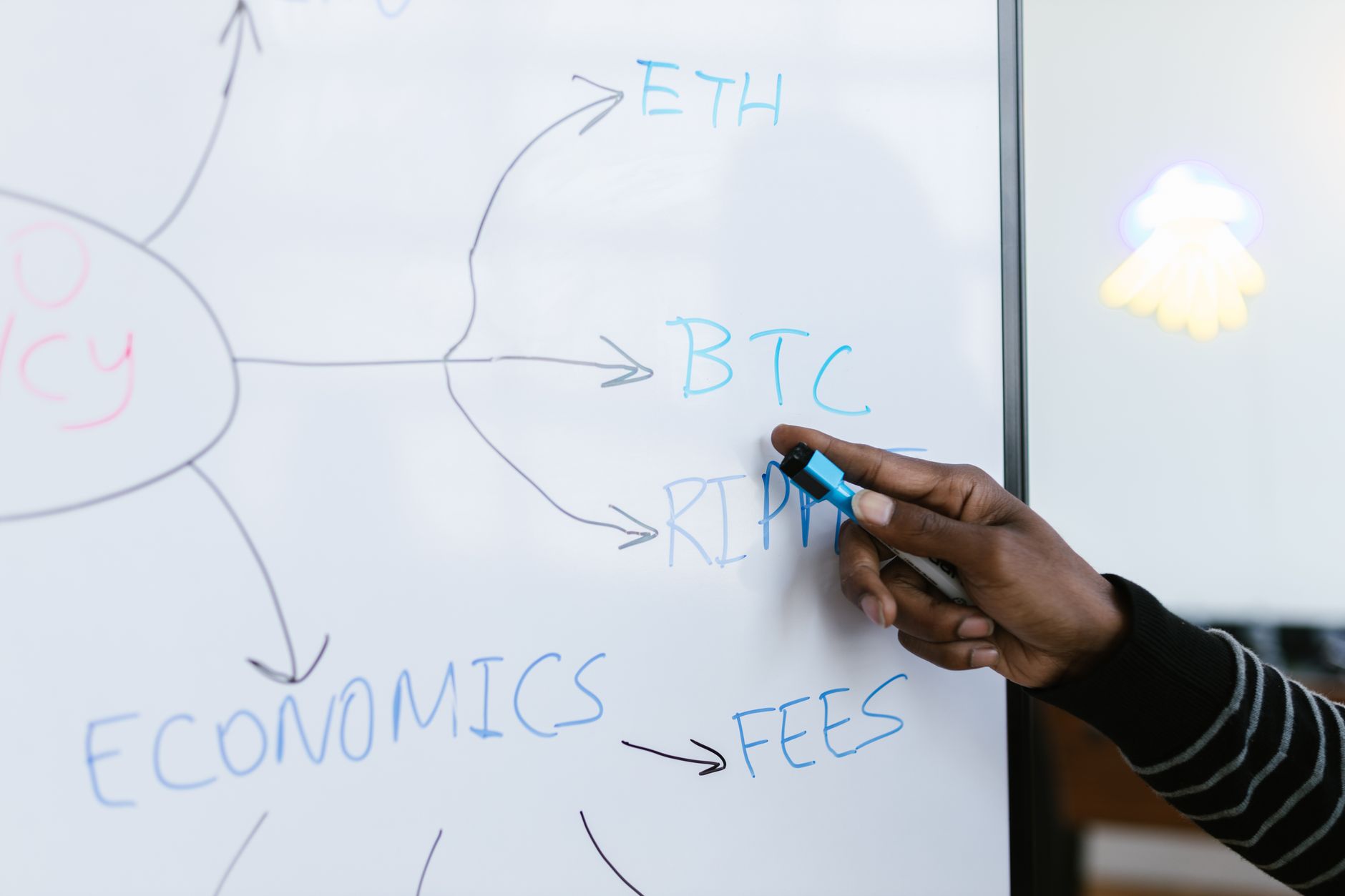
- Date and Asset: Record the specific token and the time of day.
- Initial Thesis: Why does this asset matter right now? (e.g., tokenization growth, institutional adoption).
- Emotional State: Were you calm, anxious, or impulsive?
- Risk Exposure: What percentage of your portfolio is at stake?
- The "Why" of Exit: Did you exit because the thesis failed, or because you were scared?
- Key Lesson: What will you do differently next time?
Evaluating the Solana and Ethereum Tension
There is significant debate regarding the trajectory of Solana versus Ethereum. While Ethereum maintains a lead in stablecoin dominance, Solana has carved out a massive niche in high-volume, regulated on-chain assets. My current approach is to treat these as distinct "baskets" rather than a binary choice.
If you are looking at Solana, focus on the ecosystem's ability to handle daily volume and its integration with traditional finance partners. If you are looking at Ethereum, watch the stablecoin settlement data. The market rewards those who observe these trends over months, not minutes.
FAQ
Is it still viable to hold a mix of BTC, ETH, and SOL in 2026?
Yes, many market participants maintain a diversified approach by balancing the store-of-value characteristics of Bitcoin with the utility and tokenization capabilities of Ethereum and Solana. The key is to understand the different drivers for each, such as institutional capital flows for ETFs versus on-chain application growth for smart contract platforms.
How can I manage the volatility inherent in the memecoin space?
Volatility is a feature of the sector, not a bug. To manage it, treat memecoin exposure as a small, high-risk portion of your overall portfolio. Never let the speculative frenzy dictate your entire strategy. Always refer back to your journal to ensure that your risk management rules remain intact regardless of market hype.
Risk Disclaimer
Trading digital assets involves a high degree of risk and is not suitable for everyone. The information provided here is for educational purposes only and does not constitute financial, investment, or legal advice. Market conditions change rapidly, and past performance is never an indicator of future results. Always conduct your own research and consult with a qualified financial professional before making any investment decisions. Never invest money you cannot afford to lose.
Related posts in Memecoin Market Analysis
- Memecoin Market Analysis
Solana Wins in 2026: Why Your Best Trades Are Your Most Dangerous Moments
A Solana win in 2026 feels like destiny, but success is the greatest risk to your process. Learn how to journal post-profit to protect your capital.
Memelogs
- Memecoin Market Analysis
Memecoin Trading Post-Mortem: Lessons from the 2026 Market Contraction
Analyzing a memecoin loss in 2026 requires more than checking charts. Learn how to journal your emotional process and structural risks to improve your strategy.
Memelogs
- Memecoin Market Analysis
Shiba Inu and the 2026 Memecoin Cycle: A Reflective Market Analysis
Analyzing the 2026 Shiba Inu market cycle through a lens of emotional discipline, risk management, and the realities of memecoin volatility.
Memelogs