
MemeLogs Daily Recap: Market Themes, Volume Shifts, and Caution Flags for 2026
Analyzing today’s memecoin market themes, volume discrepancies, and emotional discipline. Stay sharp as narratives shift and volatility persists.


Today’s market is defined by a disconnect between retail sentiment and on-chain liquidity, necessitating extreme caution. Participants should prioritize emotional self-reflection over rapid-fire execution to avoid common behavioral traps during high-volatility sessions.
The Daily Pulse: Themes vs.
Reality
Today, the market has been dominated by two primary narratives: the rotation into low-cap ecosystem plays and the persistent "cautious optimism" surrounding major L1 assets like Solana. While social feeds are flooded with conviction, the on-chain data tells a more fragmented story.
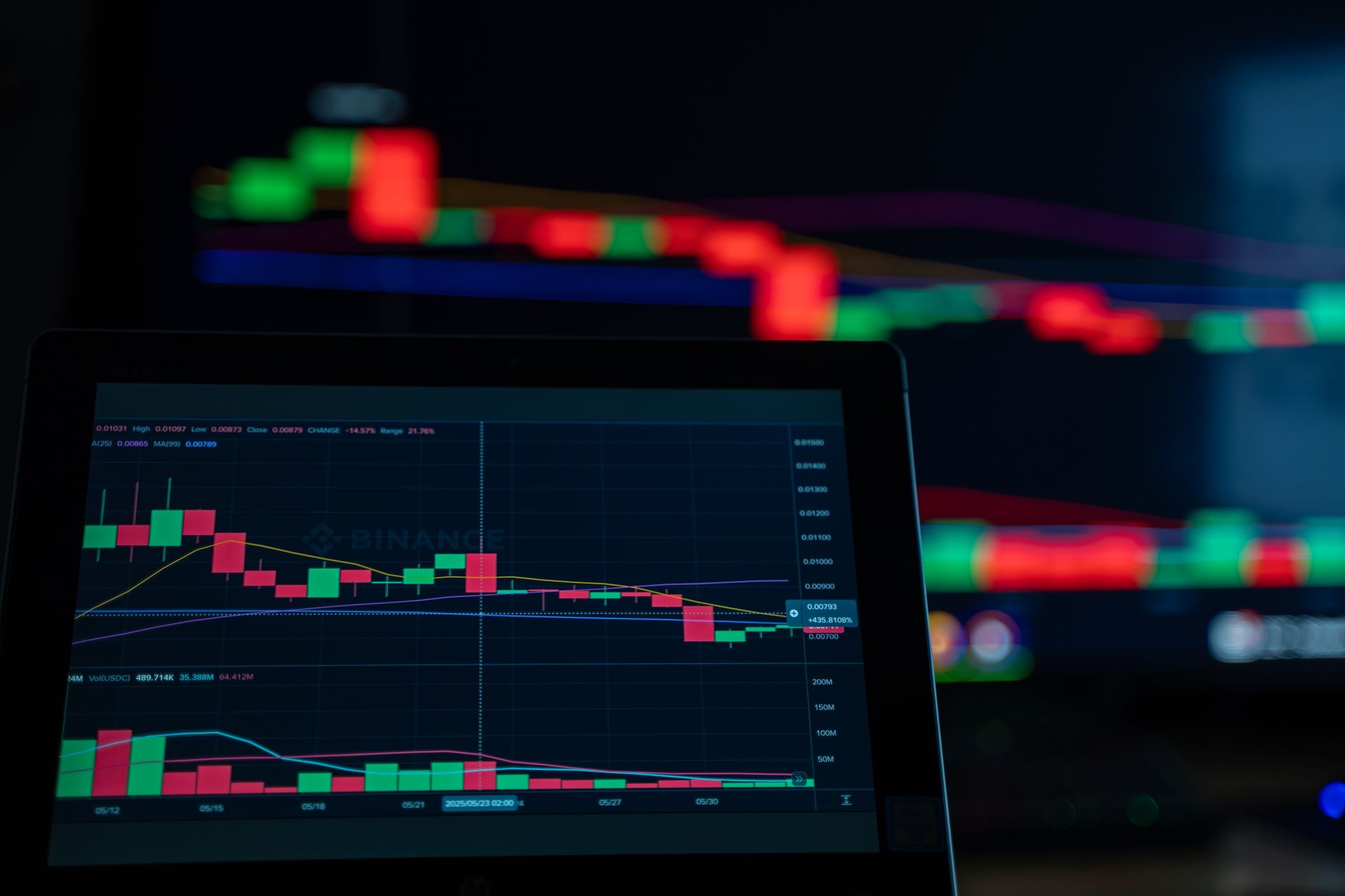
Volume patterns today have been erratic. We are seeing high activity spikes that do not correlate with sustained price floor support, suggesting that the current movement is driven largely by short-term liquidations rather than organic accumulation. When the volume narrative contradicts the social sentiment, the safest play is to step back. The market has shown a tendency to reverse these intraday trends within hours, catching those who trade based on static morning headlines.
The Volume Discrepancy
When we look at the Solana ecosystem, the technical setup suggests a critical support level at $123.35. While the broader market sentiment remains hopeful, the rise in liquidation imbalances is a glaring caution flag. If you are entering positions based on the hope of a move toward higher resistance levels, you are ignoring the reality of the liquidation pressure currently sitting just beneath the surface. Volume is currently failing to confirm a breakout, which means the path of least resistance is often downward, regardless of the hype cycles trending on social platforms.
Trading Psychology: Why Your Journal Matters
In a fast-moving market, your psychological state is your most significant indicator. The most successful market participants in 2026 are those who treat their trading journal not as a record of wins and losses, but as a diagnostic tool for their own emotional biases.
If you find yourself "falling off the rails" during high-volatility sessions, it is rarely a failure of your technical system. It is almost always a failure to recognize your own emotional state. When the market moves fast, the gap between your planned exit and your actual exit is where fear and hope reside.
1. Analyze your MFE and MAE
If your Average Maximum Favorable Excursion (MFE) is significantly higher than your actual exit price, you are leaving money on the table due to fear. You are exiting too early because you are uncomfortable with the volatility.
2. Audit your stop loss discipline
If your Average Maximum Adverse Excursion (MAE) frequently exceeds your planned stop, you are suffering from hope or denial. You are letting losers run in the expectation that the market will turn around, which is a lethal habit in the memecoin sector.
Maintaining Discipline Amidst Noise
Journaling is about surfacing behavioral patterns that are otherwise invisible. Do not record every feeling; record the state that changed the trade. Were you over-leveraged? Were you trading out of boredom? Did you enter because of a social media call? These variables are more predictive of your long-term success than any technical indicator.
When you review your equity curve, look for the clusters of trades where your discipline broke down. That is your primary area for growth. The goal is not to be perfect, but to be consistent enough to compare your performance over time and make specific adjustments to your process.
FAQ
How can I tell if a market narrative is real or just noise?
Compare the social sentiment with real-time on-chain volume. If the volume is not increasing alongside the price, or if it shows signs of liquidation-driven spikes, the narrative is likely manufactured or unsustainable.
Is it possible to track trading psychology without overthinking the process?
Yes, by focusing on linking your emotional state directly to your trade outcomes. Stop documenting every minor feeling and instead focus on the specific mental state that led to a deviation from your plan. Focus on metrics like your average exit price versus your average MFE to quantify your emotional discipline.
Watchlist for Tomorrow
We are watching the $123.35 support level on Solana closely. It is not a price target, but a line in the sand for market stability. Keep an eye on whether volume begins to consolidate around this level or if we see further liquidation-driven volatility. Remember, the goal is to observe the market’s reaction to these key levels, not to predict the next big move. Stay cautious, keep your journals updated, and avoid the urge to trade just for the sake of activity.
Related posts in Trading Psychology & Journaling
- Trading Psychology & Journaling
MemeLogs Daily Recap: Decoding Market Themes and Risk Management for 2026
Analyze today's memecoin market themes, compare volume against social narratives, and learn to spot caution flags in your daily trading journal routine.
Memelogs
- Trading Psychology & Journaling
Solana Memecoin Trends 2026: Navigating the Shift in Market Sentiment
Analyze today's dominant Solana memecoin themes. We break down the gap between social media hype and on-chain volume to help you track market movements.
Memelogs
- Trading Psychology & Journaling
Solana Memecoin Pulse: Navigating the 2026 Shift in Market Sentiment
Tracking the Solana memecoin landscape in 2026. We analyze the current dominance of AI-driven tokens and community-led assets versus on-chain volume data.