
Solana Liquidity Migration: Tracking On-Chain Patterns in 2026
Master the art of tracking liquidity migration on Solana in 2026. Learn how to monitor whale movements, stablecoin supply, and DEX volume to read market shifts.


Liquidity migration on Solana in 2026 is driven by the movement of stablecoin supply and shifts in DEX volume across platforms like Jupiter and Meteora. By monitoring on-chain metrics—specifically stablecoin throughput, DePIN token strength, and vault-based liquidity distribution—market participants can identify meaningful shifts in demand rather than speculative noise.
Understanding 2026 Liquidity Dynamics
In the current market cycle, Solana has evolved into a high-throughput environment where liquidity is increasingly fragmented across specialized vaults and automated yield strategies. Unlike previous eras, liquidity is no longer just about total volume; it is about where that volume is settling and how it is being utilized.
Monitoring these shifts requires a focus on the underlying "real-economy" demand. When stablecoin supply increases alongside consistent DEX volume, it suggests an organic influx of capital. Conversely, when liquidity migrates away from native staking tokens like JitoSOL toward diversified options offered by Sanctum, it signals a structural change in how institutional and retail participants manage their treasury.
Core Metrics for On-Chain Tracking
1. Analyze Stablecoin Supply
Check the weekly change in total stablecoin supply on Solana. A rising supply paired with stable price action typically indicates that fresh capital is entering the ecosystem to participate in DeFi. If you notice a declining supply during a period of SOL price appreciation, this divergence often suggests that liquidity is being extracted or rotated out of the ecosystem.
2. Verify DEX Volume Integrity
Use aggregators to monitor daily volume. Sustained volume exceeding $1 billion is a key indicator of organic activity. Be wary of spikes that lack corresponding on-chain transactional growth, as these may represent wash flow rather than genuine liquidity migration.
3. Observe DePIN Token Correlation
Watch tokens like RNDR, HNT, and IO. When these assets trend upward in unison, it acts as a leading indicator for Solana blockspace demand. This is often a sign that demand is driven by real-world infrastructure needs rather than pure speculative trading.
4. Audit Liquidity Distribution
For established assets like SOL, JTO, and JUP, liquidity is deep and distributed across multiple venues, making aggregation essential. For newer, long-tail tokens, liquidity is often concentrated in a single pool. In these cases, check the specific DEX pool depth directly. If the liquidity is thin, the execution speed becomes more critical than the aggregate price.
The Role of Automated Yield and Vaults
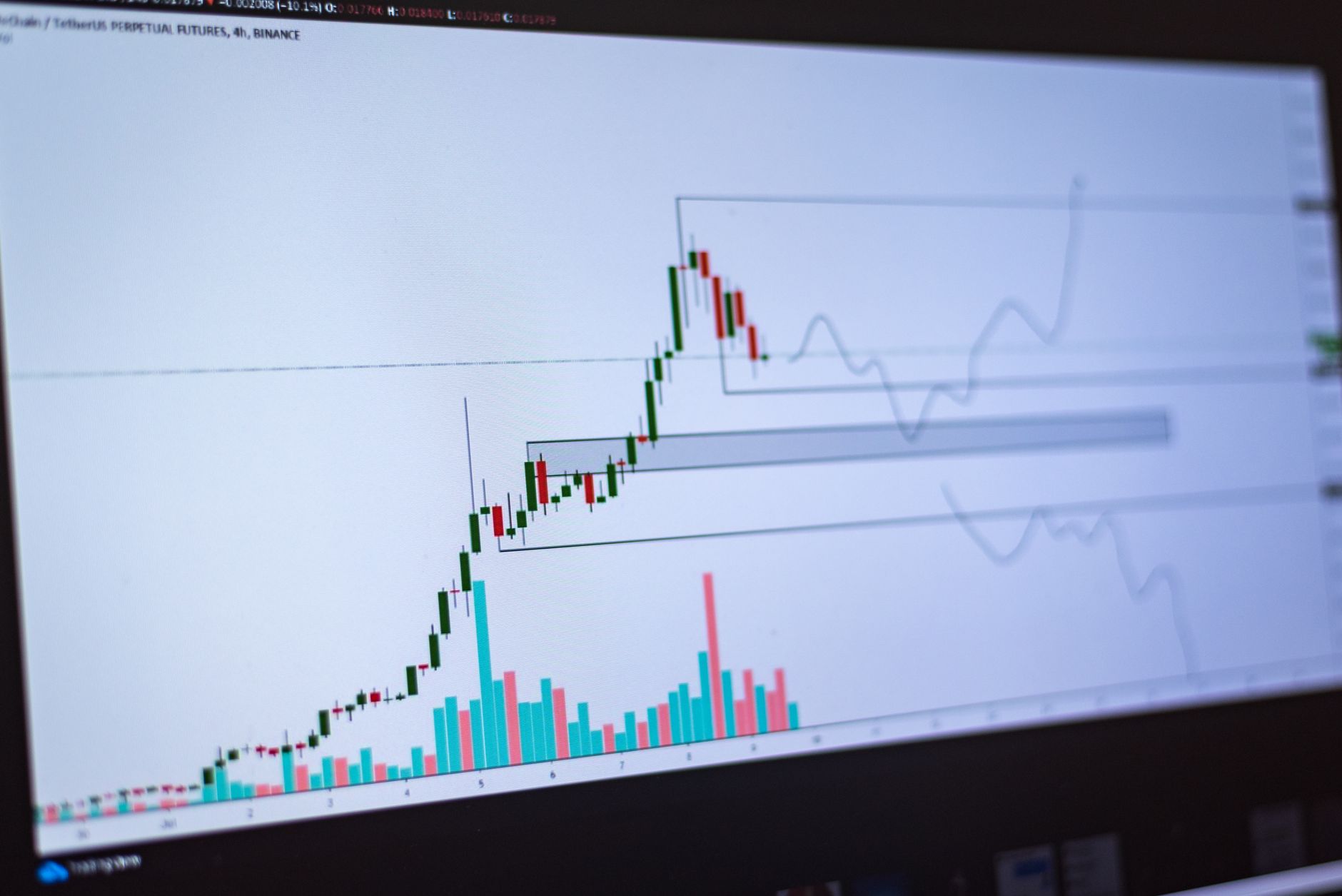
Solana's DeFi landscape in 2026 is heavily influenced by automated strategies. Platforms like Kamino and Meteora provide tools that allow participants to automate liquidity provision and yield looping.
- Track the growth of curated vaults, as these often house significant institutional capital.
- Monitor the shift in liquid staking token market share, particularly the transition from older standards to the more flexible Sanctum-enabled tokens.
- Pay attention to aggregated yield tokens, which simplify the process of moving liquidity across different protocols.
While these tools make DeFi more accessible, they introduce complex risks, including liquidation, smart-contract vulnerabilities, and collateral management issues. Always verify the underlying strategy before participating.
FAQ
How can I determine if a new token launch has sufficient liquidity to trade?
Check the specific pool depth on the primary DEX platform. If the token is newly launched, liquidity is likely concentrated in a single pool. Avoid relying solely on aggregated price feeds, as they may not reflect the slippage you will encounter on a thin pool.
Does a high total value locked (TVL) always mean a protocol is healthy?
No. While a rising TVL—currently climbing toward $10 billion across the ecosystem—indicates growth, it must be cross-referenced with daily transactional volume and stablecoin throughput to ensure the capital is active and not just sitting dormant in incentivized pools.
What this is NOT
This post is not financial advice, not a buy signal, and does not guarantee results. Always conduct your own research before interacting with on-chain protocols.
Related posts in On-Chain & Whale Tracking
- On-Chain & Whale Tracking
Decoding Bonding Curve Metrics: A 2026 Guide to On-Chain Memecoin Analysis
Master the art of reading bonding curve metrics on Solana. Learn to identify whale accumulation, liquidity health, and migration readiness before price moves.
Memelogs
- On-Chain & Whale Tracking
Decoding Bonding Curve Metrics: A 2026 Guide to Solana Memecoin Analysis
Master the art of reading bonding curve metrics before a memecoin moves. Learn how to track whale activity, liquidity shifts, and migration risks on Solana.
Memelogs
- On-Chain & Whale Tracking
On-Chain Red Flags: How to Spot Solana Rugpulls in 2026
Learn to identify common Solana rugpull patterns in 2026. Master on-chain checks for liquidity, wallet concentration, and contract risks before you participate.
Memelogs