
Solana Volatility 2026: Navigating the Low-Volume Trap
Solana sentiment is hitting 2026 highs while volume dries up. Discover how to interpret this divergence and prepare for potential volatility shifts tomorrow.

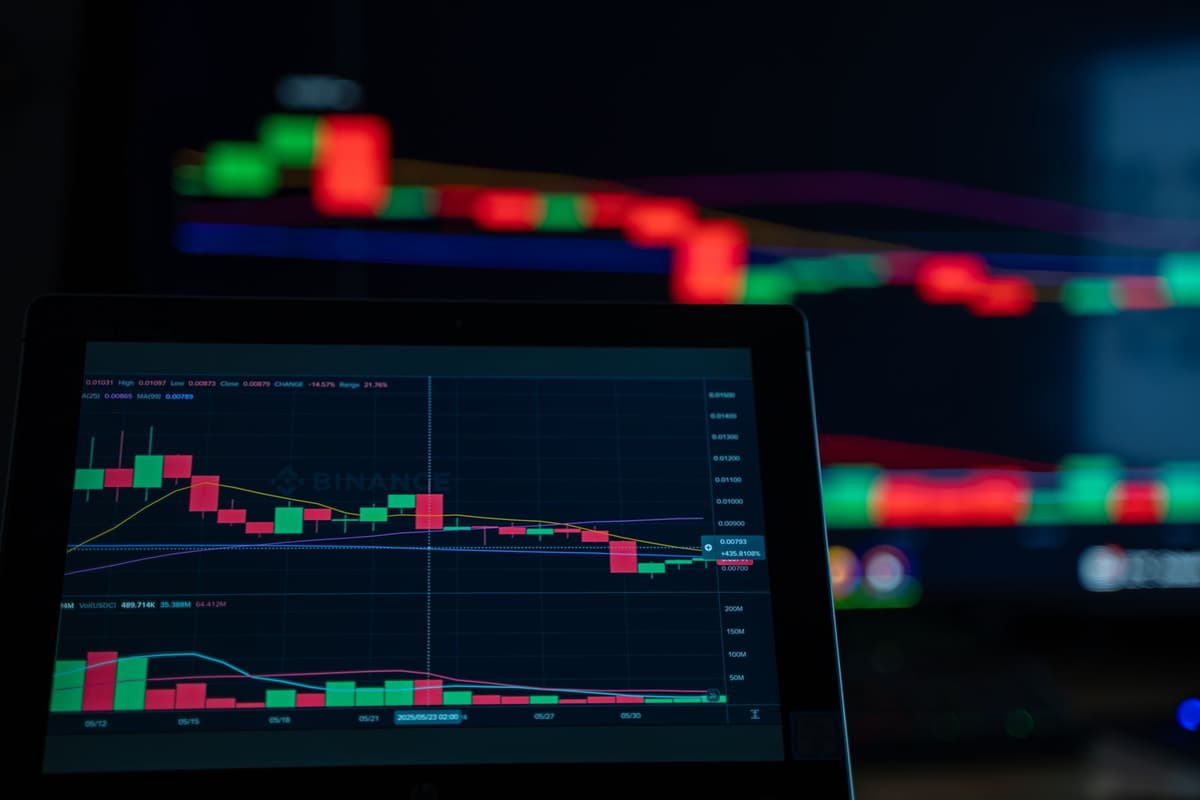
Solana is currently trapped in a classic high-sentiment, low-volume environment that historically precedes significant volatility. While market participants remain bullish on long-term prospects, the current lack of conviction on-chain suggests that a breakout or breakdown is imminent as the price range compresses.
The Narrative Disconnect
Today, the dominant theme circulating in market circles is the extreme optimism surrounding Solana, fueled by institutional outlooks for the remainder of 2026. Everywhere you look, the narrative suggests a "big year" ahead, with talk of new all-time highs and the potential impact of major infrastructure-related legislative acts.
However, there is a glaring contradiction when you step away from the social media echo chambers and look at the actual market data. While sentiment is reaching annual highs, trading volume has cratered to yearly lows. This is the classic definition of a "low-attention, high-fear" environment. The market is essentially holding its breath, waiting for a catalyst to break the current stagnation. When retail and institutional participants are talking about a bull run but refusing to put capital to work, the resulting silence is often the precursor to a violent move in either direction.
On-Chain vs.
Social Sentiment
If you are relying solely on what you read on social platforms, you might assume the market is currently in a state of accumulation. But the on-chain reality shows that the price is becoming increasingly confined within a tight range. When volume drops this significantly, it indicates that the current participants are either exhausted or waiting for a breakout before committing to a position.
Historically, these periods of compression—where Bollinger Bands begin to tighten and move toward a squeeze—are not indicative of a trend, but rather a warning. The current price range has seen multiple failed breakout attempts, which serves to reinforce the boundaries of the current channel. The market is testing these levels repeatedly, and each failure to hold a breakout or breakdown suggests that the "spring" is being coiled tighter.
Psychology of the Quiet Market
It is easy to get caught up in the noise of 2026 growth predictions, but the most successful market participants focus on the human element: the tendency to get bored and force trades when the market is flat. When volatility is absent, the urge to "do something" often leads to unnecessary risk-taking.
Instead of chasing the narrative of an imminent moonshot, observe the volume. A volatility explosion rarely happens in a vacuum. It requires a surge in participation that confirms the direction. If you see a move out of the current range without a corresponding spike in volume, treat it with extreme skepticism. True trend shifts are usually backed by market-generated data, not just speculative hype.
FAQ
Is the current low-volume environment a sign of a bottom?
Not necessarily. While low volume can sometimes signal that sellers are exhausted, it more often indicates a lack of market conviction. It is a period of uncertainty where the market is waiting for a clear signal before committing to a direction.
Does the high sentiment mean a rally is guaranteed?
No. High sentiment coupled with low volume is a contrarian signal. It suggests that the market is over-optimistic relative to its actual engagement. Markets often rebound when participants are least expecting it, which usually happens when the bullish sentiment has been washed out by a lack of follow-through.
Watchlist for Tomorrow
- Monitor the defined price boundaries; a breach of the current range without a volume spike is a high-risk scenario.
- Observe if the sentiment remains high while the price continues to consolidate; this divergence is your primary indicator of potential volatility.
- Keep an eye on how the market reacts to the upper and lower levels of the current range during the opening hours.
- Avoid over-leveraging based on long-term 2026 forecasts, as these do not account for the immediate intraday volatility that defines the current market cycle.
Related posts in Trading Psychology & Journaling
- Trading Psychology & Journaling
MemeLogs Daily Recap: Decoding Market Themes and Risk Management for 2026
Analyze today's memecoin market themes, compare volume against social narratives, and learn to spot caution flags in your daily trading journal routine.
Memelogs
- Trading Psychology & Journaling
Solana Memecoin Trends 2026: Navigating the Shift in Market Sentiment
Analyze today's dominant Solana memecoin themes. We break down the gap between social media hype and on-chain volume to help you track market movements.
Memelogs
- Trading Psychology & Journaling
Solana Memecoin Pulse: Navigating the 2026 Shift in Market Sentiment
Tracking the Solana memecoin landscape in 2026. We analyze the current dominance of AI-driven tokens and community-led assets versus on-chain volume data.