
MemeLogs Daily Recap: Dissecting 2026 Market Narratives and Volume Shifts
Tracking today's memecoin themes, volume trends, and caution flags. Learn how to bridge the gap between social hype and on-chain reality for better trading.

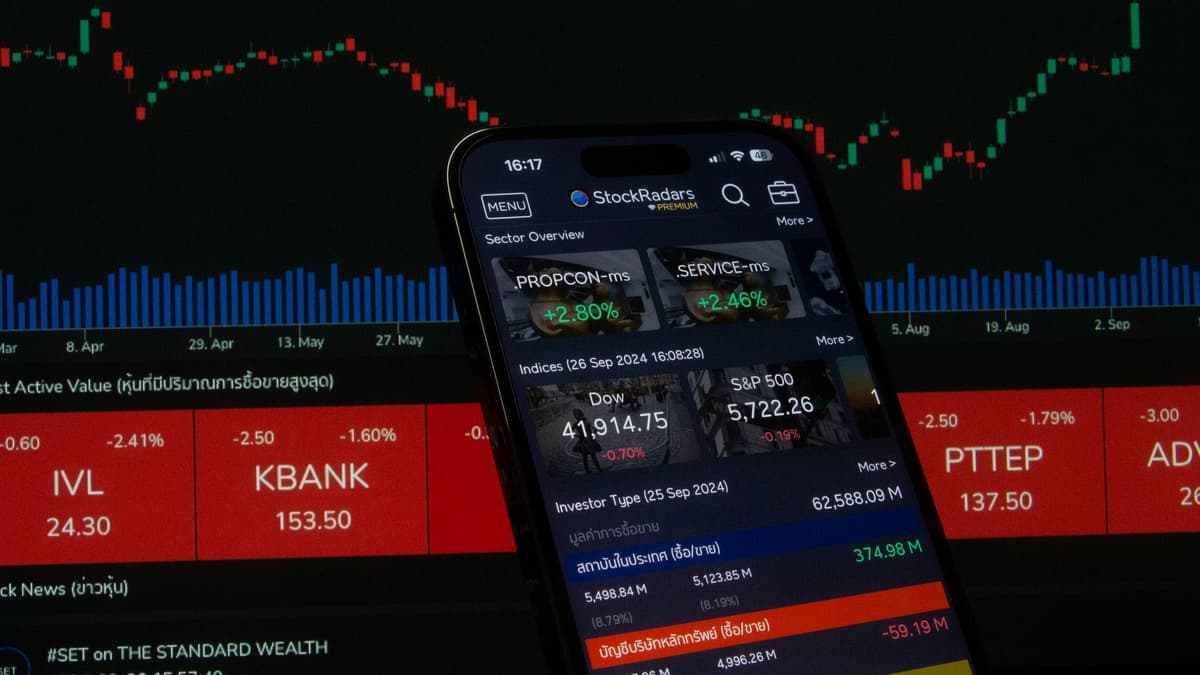
Today’s market is defined by rapid rotation between AI-agent narratives and culture-based memecoins, with volume spikes often failing to sustain price momentum. Market participants should prioritize emotional discipline and risk management over chasing intraday volatility, as these narratives frequently reverse within hours.
The Daily Narrative Pulse
Today, the primary themes circulating across social channels involve the acceleration of AI-driven autonomous agent tokens and a resurgence in nostalgia-based community coins. The sentiment across the board remains high, bordering on irrational exuberance. While the social noise suggests a sustained breakout, the actual flow of capital tells a more fragmented story.
Volume vs.
Reality
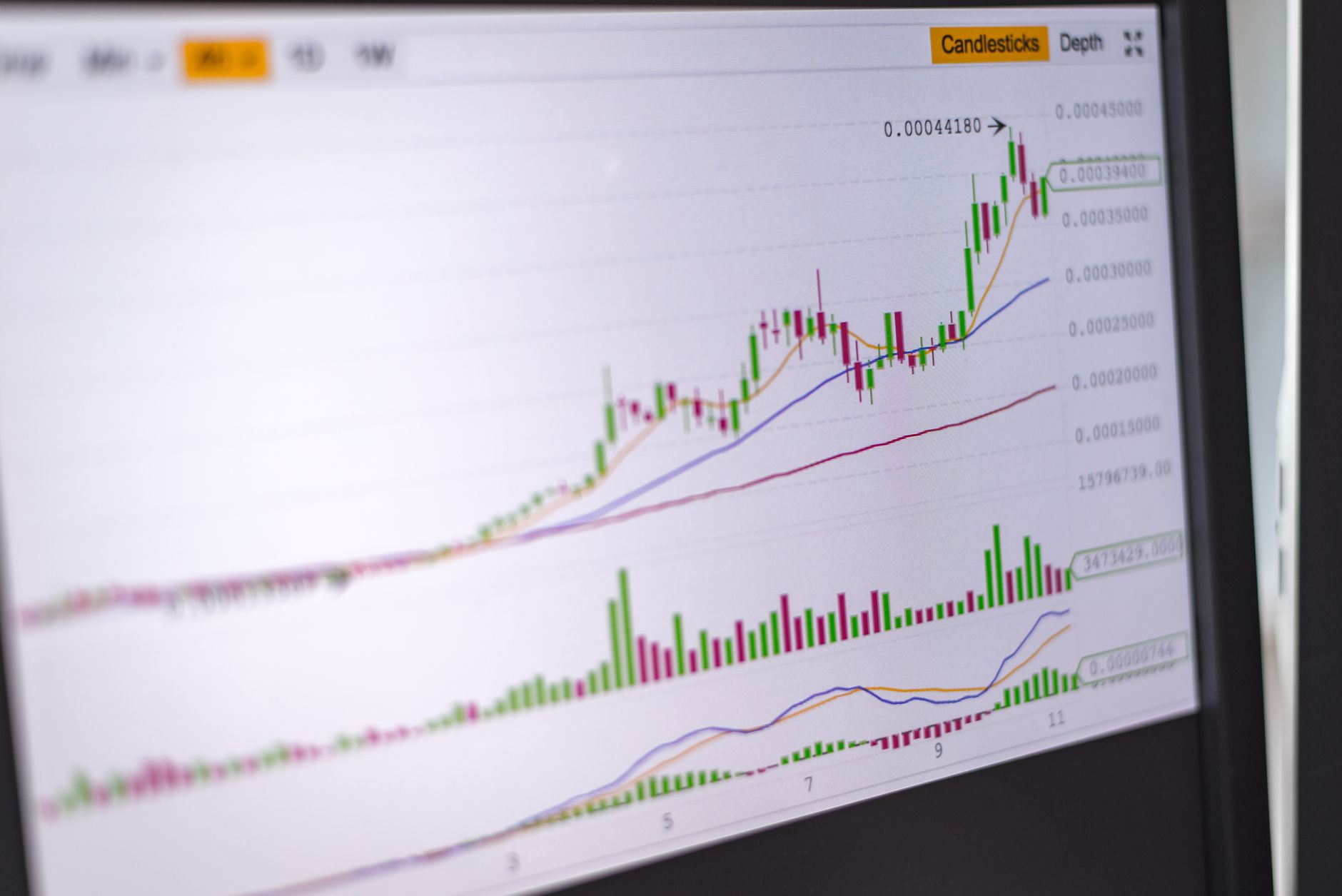
On-chain data presents a clear contradiction to the bullish sentiment found on social platforms. While social engagement metrics are peaking, realized volume on major decentralized exchanges shows a declining trend in late-session activity. This divergence is a classic caution flag. When volume fails to confirm the narrative-driven price spikes, it suggests that participants are taking liquidity rather than adding to positions. We are seeing high churn in top-tier memecoins, which often precedes a cooling-off period rather than a sustained rally.
Managing the Mental Game
Memecoin markets are notorious for testing the psychological resolve of even the most disciplined participants. When volatility spikes, the urge to trade out of fear or greed often overrides a well-constructed plan. The most effective way to navigate this is to treat every trade as a business expense rather than a personal victory or failure. If you find yourself deviating from your established entry or exit criteria, it is a signal to step back and reassess your emotional state.
1. Analyze Your Exit Patterns
Compare your average exit price against the maximum favorable excursion of your positions. If your exits are consistently lower, you may be exiting due to fear before the move reaches its potential.
2. Monitor Your Stop Loss Discipline
Check your maximum adverse excursion against your planned stop levels. If your losses frequently exceed your predefined risk, you are likely suffering from hope or denial, which is a lethal combination in this asset class.
3. Shift to Fixed-Risk Thinking
Stop thinking in terms of total dollar gain or loss. Instead, think in terms of units of risk. By keeping your risk consistent across trades, you remove the emotional weight of a single bad day, which allows you to maintain a level head during periods of high drawdowns.
FAQ
How can I determine if my emotional state is impacting my market performance?
Persistent high stress or a sense of overconfidence are primary indicators that your psychology is being compromised. If you find that your decision-making process is shifting away from your strategy and toward reactive impulses, it is time to reassess your risk exposure and potentially take a break from the screen.
What should I do if a narrative I follow contradicts the on-chain volume data?
When narrative hype outpaces on-chain volume, it is generally safer to reduce exposure rather than increase it. Use this as a caution flag to tighten your stop losses and avoid adding size to existing positions until the volume confirms the price action.
Watchlist for Tomorrow
As we look ahead, the focus remains on observing how the current AI-agent narrative holds up against the broader market liquidity. We are watching for:
- Whether volume stabilizes or continues to decline during the mid-day session.
- Signs of exhaustion in the current top-performing tickers.
- Any divergence between community sentiment and the actual movement of assets into liquidity pools.
Remember, no one can predict the next winner. Your primary job is not to guess the market move, but to build a process that survives the chaos. Keep your journal updated, track your emotional state, and avoid the trap of over-trading in a volatile environment.
Related posts in Trading Psychology & Journaling
- Trading Psychology & Journaling
MemeLogs Daily Recap: Decoding Market Themes and Risk Management for 2026
Analyze today's memecoin market themes, compare volume against social narratives, and learn to spot caution flags in your daily trading journal routine.
Memelogs
- Trading Psychology & Journaling
Solana Memecoin Trends 2026: Navigating the Shift in Market Sentiment
Analyze today's dominant Solana memecoin themes. We break down the gap between social media hype and on-chain volume to help you track market movements.
Memelogs
- Trading Psychology & Journaling
Solana Memecoin Pulse: Navigating the 2026 Shift in Market Sentiment
Tracking the Solana memecoin landscape in 2026. We analyze the current dominance of AI-driven tokens and community-led assets versus on-chain volume data.