
MemeLogs Daily Recap: 2026 Market Themes, Volume Shifts, and Caution Flags
Analyzing the 2026 memecoin landscape: tracking session value migration, volume-narrative divergence, and the critical role of self-journaling in trading.

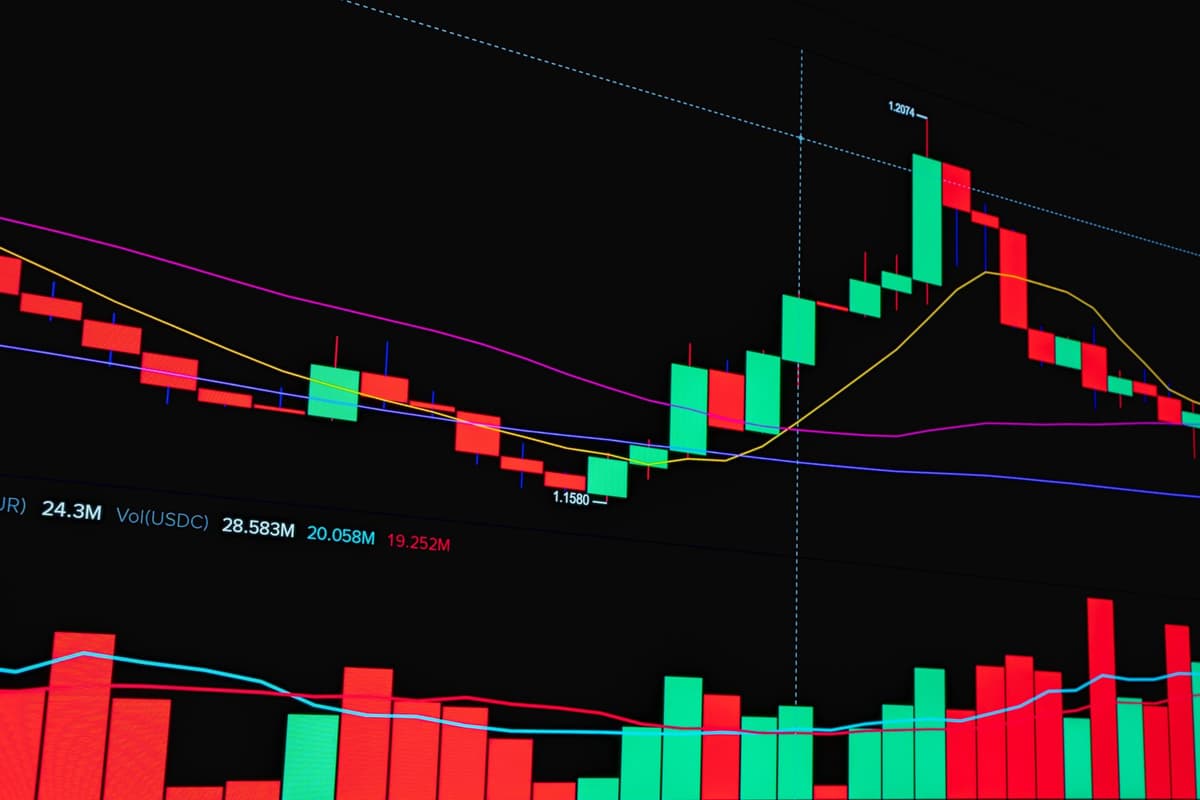
Today’s market saw a sharp divergence between aggressive social sentiment and actual on-chain liquidity, with value migration shifting faster than historical averages. By documenting these emotional triggers and execution gaps in a journal, participants can identify whether their losses stem from systemic failure or reactive, high-stress decision-making.
Market Recap: Themes and Reality Checks
The 2026 landscape is defined by a brutal, high-frequency pace where narratives are born and buried within a single trading session. Today, the dominant themes centered on ecosystem-specific infrastructure plays and the resurgence of low-cap liquidity farming. Social media sentiment remains hyper-optimistic, yet the on-chain reality tells a more skeptical story.
Theme 1: The Velocity of Value Migration
Value is no longer parking in assets for days at a time. We are seeing a structural shift where the concentration of transactions—the area of highest agreement between buyers and sellers—migrates across tickers in mere hours. This isn't just organic rotation; it is a mechanical acceleration of capital movement. If you are waiting for a daily candle to close to validate a trend, you are already behind the curve.
Theme 2: Narrative vs.
On-Chain Volume
Social channels are currently pushing a narrative of sustained accumulation, but the volume profile suggests otherwise. On-chain data shows high-frequency 'wash' patterns designed to mimic organic interest. When volume spikes without a corresponding shift in holder distribution, it is a glaring caution flag. Participation is high, but conviction is low. The market is currently being driven by short-term traders looking for exit liquidity rather than long-term position builders.
The Psychology of the Daily Journal
In a market that moves this fast, your primary edge is not a secret indicator—it is your ability to maintain emotional neutrality. Journaling is not just about logging entries and exits; it is about documenting your state of mind when the market forces a decision. Most retail participants fail because they treat their emotional state as a private, soft concern rather than a measurable metric of their performance.

Why Journaling Beats Intuition
- It creates total accountability. You cannot hide from a written record of your decision-making process.
- It surfaces recurring behavioral patterns that sabotage your account.
- It shortens the feedback loop between a mistake and the corrective action required to stop repeating it.
When you record a trade, do not just list the profit or loss. Record the 'state' that triggered the trade. Were you bored? Were you afraid of missing out (FOMO)? Were you trying to 'revenge trade' to recover an earlier loss? These states are the consistent source of the largest drawdowns for retail participants.
Tactical Caution Flags
- Watch for volume divergence: If a ticker pumps on declining social sentiment, it is often a trap.
- Avoid emotional over-trading: If your journal shows you are trading out of boredom, step away from the terminal.
- Monitor the intraday value shift: If the price leaves the high-volume node of the session, the move is likely exhausted.
FAQ
How can I effectively journal my psychology without wasting time?
Focus on recording the 'state' that led to the trade rather than writing a long essay. Use a consistent format to note if you were feeling greedy, fearful, or impatient, and link that state directly to the outcome of the trade. If you cannot link a mood to a result, it is merely journaling theater.
What should I do when the daily narrative contradicts the volume data?
Always trust the volume and on-chain flow over the social narrative. Narratives are tools used to convince others to take the opposite side of a trade. If the volume does not support the hype, assume the narrative is a distribution tactic and maintain a defensive posture.
Watchlist for Tomorrow
Tomorrow, the focus remains on observing how capital rotates from the current high-volume leaders into new, unproven tickers. We are looking for signs of sustained participation rather than initial, speculative reactions. Keep a close eye on early-morning session volume, as this often dictates the 'value area' for the rest of the day. Do not chase the initial gap; wait for the market to establish a range and prove where the true buyers are waiting. Remember, in 2026, the goal is to survive the session, not to predict the next week.
Related posts in Trading Psychology & Journaling
- Trading Psychology & Journaling
MemeLogs Daily Recap: Decoding Market Themes and Risk Management for 2026
Analyze today's memecoin market themes, compare volume against social narratives, and learn to spot caution flags in your daily trading journal routine.
Memelogs
- Trading Psychology & Journaling
Solana Memecoin Trends 2026: Navigating the Shift in Market Sentiment
Analyze today's dominant Solana memecoin themes. We break down the gap between social media hype and on-chain volume to help you track market movements.
Memelogs
- Trading Psychology & Journaling
Solana Memecoin Pulse: Navigating the 2026 Shift in Market Sentiment
Tracking the Solana memecoin landscape in 2026. We analyze the current dominance of AI-driven tokens and community-led assets versus on-chain volume data.